
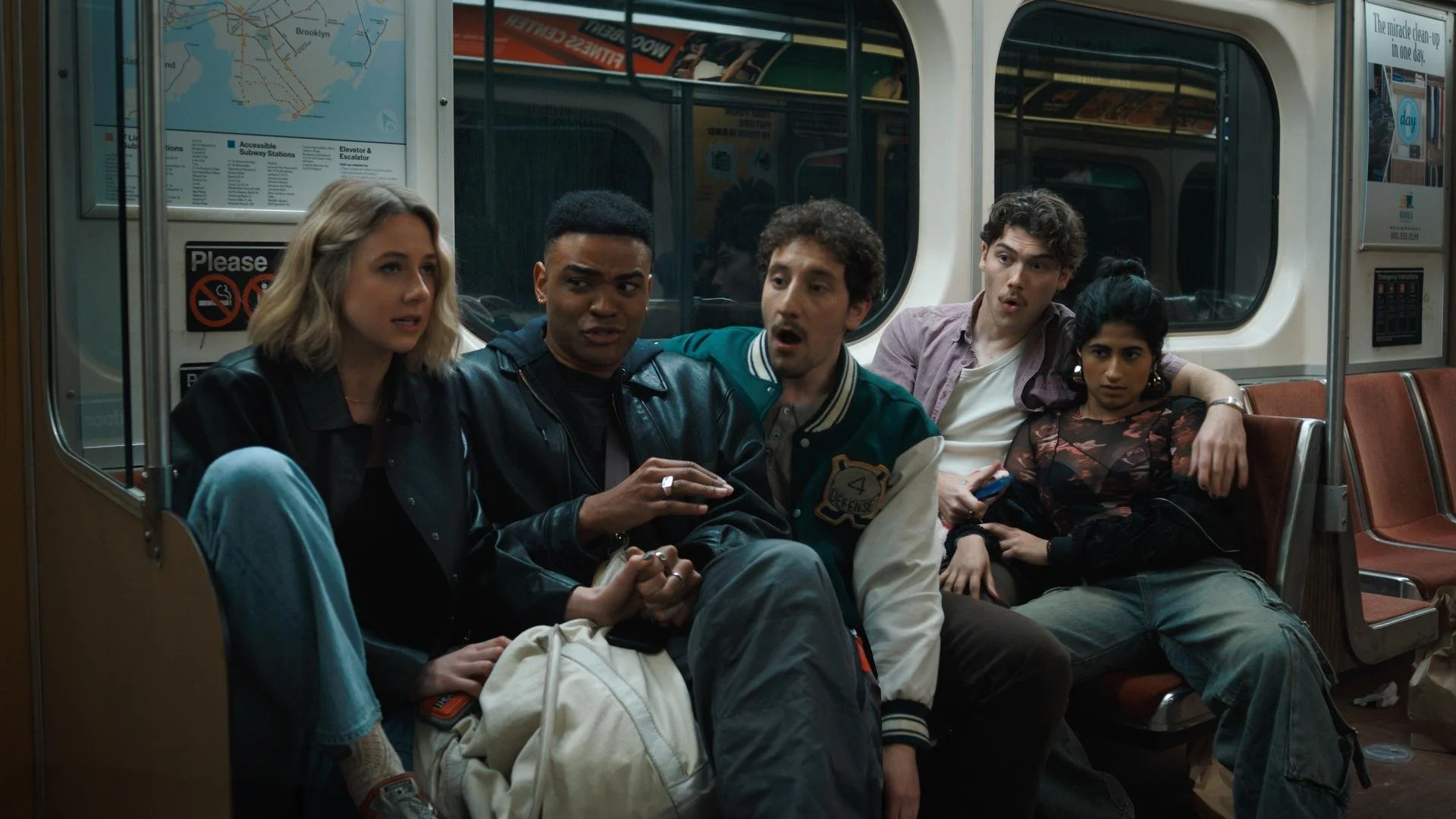
Around this time last year, I introduced my friends to FX’s new show Adults. With season two coming out when I was back home, I forced my mom to watch it with me. Each time I put it on for a new audience, it came with the same disclaimer about the cold open. It opens with the group of friends on the subway and quickly escalates to Issa confronting an older man for masturbating in public by sticking her hand down her own pants. Even while remembering the disclaimer, the same “what the hell are we watching” expression spread across their faces. The scene can bring out a shocking amount of discomfort in people. It brought me to think about why we are awkward with media that isn’t completely censored or moderated.
The internet has become far more integrated into my life than I’d like to admit, but I also know that I am not the minority in this. In-person conversations have become about what we saw on Instagram this week, and trends have become goals to reach. Holding people accountable publicly is done by means of the internet. Censorship is appealing to social media empires and their content creators. Much of their income is tied to being “brand safe.” When sponsors are considering who to employ, their past content and current views become a possible risk to the sponsor. This leaves the safest option for content creators to be family friendly and manufacture themselves for the widest audience. With an increased risk of being cancelled or banned, much of our media has been censored. For example, the words “grape” or “unalive” are ubiquitous on TikTok, and they are considered slang derived from avoiding suspensions or bans. This hyper-conscious effort is a safety net for financial stability. Content creators who use their platform to acknowledge opinions that are often political or related to social justice can be penalized by a “brand-unsafe” label. In 2021, YouTube received the Media Rating Council’s brand safety accreditation, further continuing the discussion about the social media platform’s algorithmic hold on users posts. When monetization becomes the main concern, digital content becomes subdued and generic.
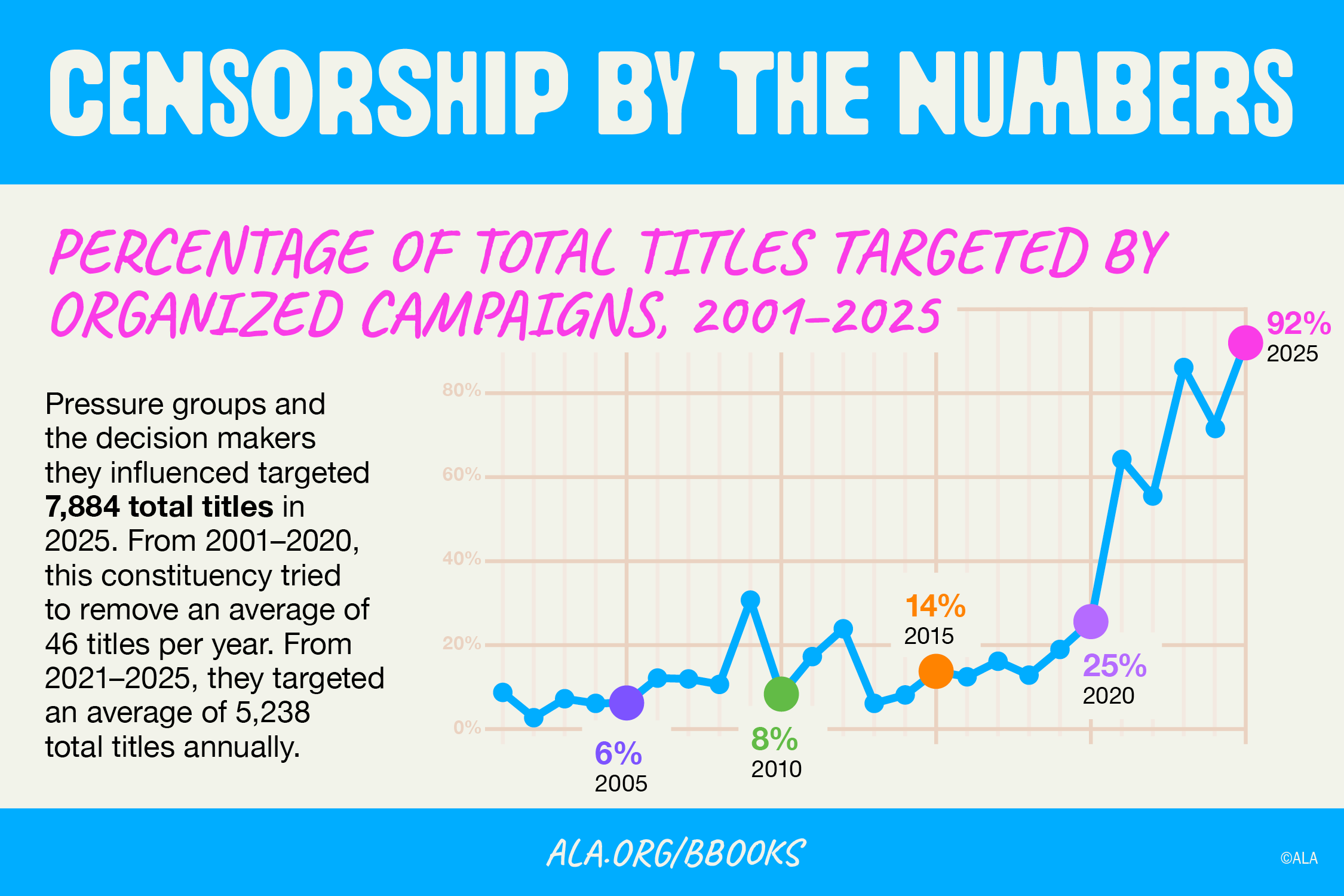
Last week was Banned Books Week— a week to bring awareness about censorship to schools and public libraries. This year we saw a massive uptick in banned books. Partially, this is becoming a bigger issue since AI has been assisting. The chatbots source from lists of banned books in other states and are unable to address the nuance of them. Books aren’t meant to paint a perfect picture. Some of the most influential books from my childhood deal with hardship and uncomfortable situations. I read The Odyssey in the seventh grade, and I believe that I am a stronger reader and writer because of it. Based on the translation, it may explore topics of violence and sexuality. However, it ultimately made me more analytical. The effort made to ban classics like The Odyssey or George Orwell’s Animal Farm make me consider the nefarious role censorship has on print media. Animal Farm’s allegorical nature illustrates how revolutions can result in a quick seize of power and oppression can seep into society. These books are essential for developing literacy not just for reading and writing but also for true synthesizing and connecting to larger topics.
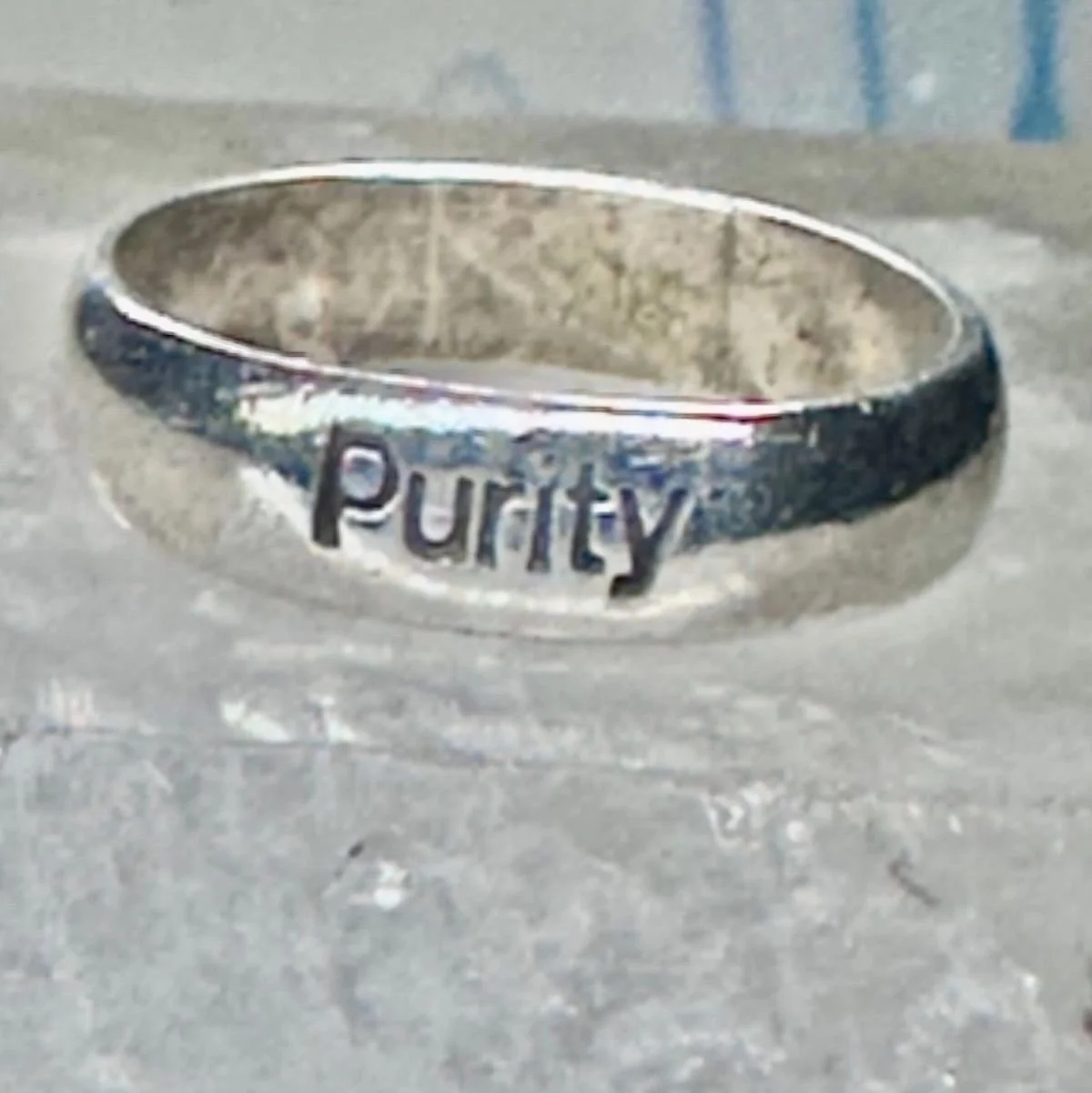
Censorship is a tool for restricting the spread of ideas, and whatever goal the individuals may have for promoting censorship, they have the ability to assume the space that was opened through their censorship. I see this particularly in purity culture. The censored landscape of digital media is currently hospitable for the increase of family-friendly, brand-safe content. It doesn’t always come with deeply religious propaganda, but instead it may come with moments of hesitation around genuine human expression. It's Nara Smith in her soft-spoken demeanor, being the perfect and traditional homemaker. People have ditched the purity rings for another form of shaming. It’s Shane Gillis calling women whores while Ego Nwodim says that if she had known the audience would respond with “shit” to her call and response, it would have been removed from the segment on Weekend Update last year. Posting safe and non-offensive content is the exchange for stability. As we pave the way for family-friendly content to dominate our modern and digital public spaces, we dilute substantial content to accommodate. “Adults” has become a comfort show, and, in hindsight, the opening scene only sets the tone for the entirety of the series. It’s unfortunate that the show has succumbed to covering it up.
About the author: Avari Subee is a second year biology major with a minor in art & technology at the University of Oregon. Her hobbies include overthinking, crafting, and researching niche topics late at night.
Sources:
Purity Culture on Youtube: https://www.researchgate.net/publication/385845685_Purity_Culture_on_YouTube_Selling_Heteronormative_Patriarchy_as_God%27s_Design
Book Bans Spotlight: https://pen.org/report/book-bans-spotlight-2026/
Youtube Receives Brand Safety Accreditation: https://blog.google/products/ads-commerce/youtube-receives-continued-mrc-brand-safety-accreditation/
Influencer Management Tools: https://www.researchgate.net/publication/350522974_Influencer_Management_Tools_Algorithmic_Cultures_Brand_Safety_and_Bias
Ego Nwodim Interview: https://collider.com/snl-ego-nwodim-wekend-update-lisa-from-temecula-miss-eggy/
Photo Credits (in order of appearance):
https://www.pinterest.com/pin/924926842235733111/
https://www.imdb.com/title/tt33049767/mediaviewer/rm1822780161/?ref_=tt_ov_m_sm
https://www.ala.org/bbooks/bannedbooksweek/ideasandresources/freedownloads
https://www.pinterest.com/pin/810085051767538667/