
Peace, Love, and Sound Revolution: The Sound of 1960s Counterculture
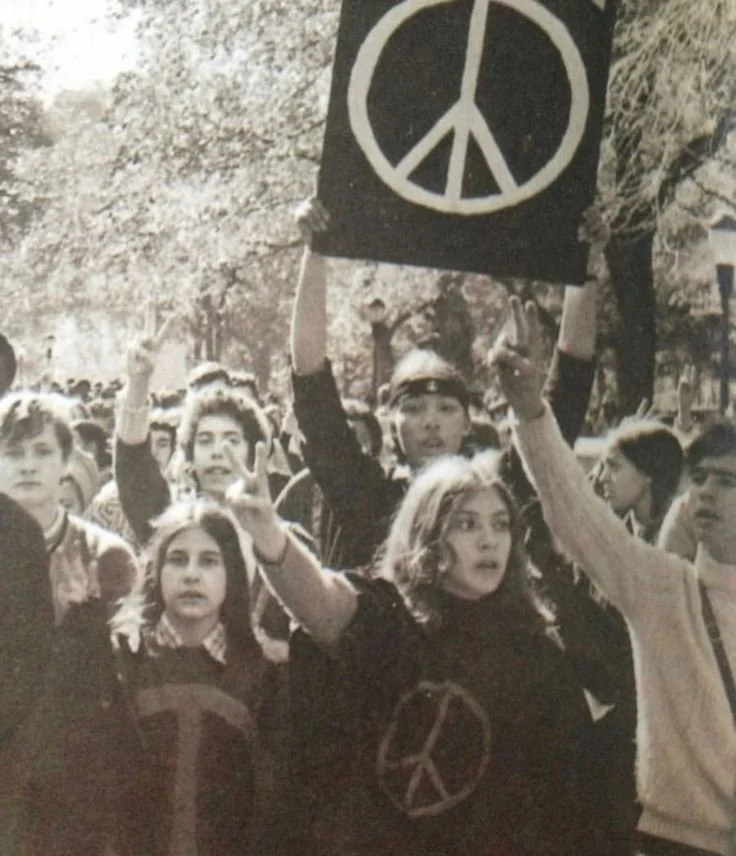
The 1960s in America was a culturally transformative time fueled by reform and resistance. The Civil Rights Movement, the Cuban Missile Crisis, the Apollo 11 moon landing, and the Vietnam war stand out as a few of the most significant historical events from the decade. The United States’ involvement in foreign controversies and domestic unrest inspired massive reform amongst the American people who staged protests, sit-ins, and events to express disapproval. Specific to the Vietnam War, much of the general public condemned the US’s involvement in the conflict. Hundreds of thousands of Americans repulsed by actions occurring overseas took to public protests across the country. Although this anti-war protesting began on college campuses, it quickly expanded beyond school grounds and inspired an “anti” culture; one that advocated for love and opposed war.
The 1960s counterculture movement, which extended into the 1970s, was an alternative approach to life and society that manifested in both lifestyles and artistic expressions, including recreational drug use, communal living, political protests, casual sex, and new genres of music. Fueled by college students, this counterculture movement included peaceful protests and sometimes violent protests that opposed the Vietnam War, racial injustice, struggles for women’s rights, gay rights, and sexual freedom.
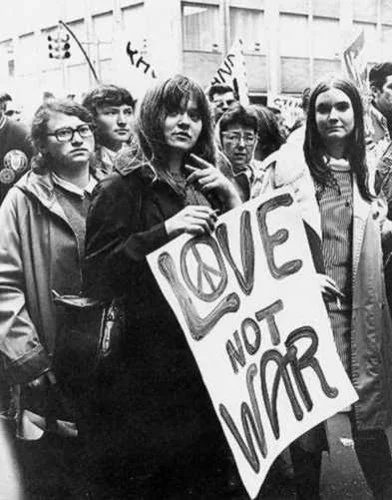
At their core, countercultures are antithetical; they reject conformity and exist to challenge the status quo. This manifested in the 60s as the birth of “hippie movements”. Born in opposition to the United States’ involvement in the Vietnam War, hippie’s distinct reputation included long hair and beards, colorful clothing styles, marijuana and psychedelic drug (LSD) use, Volkswagen Microbuses, an eco-friendly lifestyle and new subgenres of rock and folk music. Hippies rejected traditional authority, refused consumerism, and embraced free-flowing lifestyles.
Though hippie culture and lifestyles are one of the most recognizable styles to come out of the diverse ‘60s counterculture movement, this era alternatively redefined folk and rock music. Various subgenres of rock broke out during this decade, including psychedelic (or acid) rock and folk rock, that were developed by artists like The Grateful Dead, Jimi Hendrix, Jefferson’s Airplane, The Velvet Underground and Janis Joplin. Folk and folk rock as genres gained popularity as Bob Dylan, The Mamas and The Papas, Joan Baez and The Band released albums and numerous singles throughout the decade and beyond. British bands such as The Beatles, The Who and The Rolling Stones also contributed to the counterculture scene both in the states and across the Atlantic Ocean.
Many of counterculture's famous anthems spoke to the core pillars of the hippie and general “anti” movement, layering folk and rock melodies over resonant lyrics. Bob Dylan’s discography stands out amongst the sound of the decade with songs like “The Times They Are A-Changin”, “Blowin in the Wind”, and “Masters of War” supporting societal change, a condemnation of military complexes, political anger and injustice. Buffalo Springfield’s “For What It’s Worth” spoke to the mistrust of authority and paranoia prevalent in the movement. Originally written about a conflict between youth and police on Sunset Strip in Los Angeles, Buffalo Springfield’s song was adopted by the counterculture movement as a representative anthem that encourages resisting authority and youthful defiance. Creedence Clearwater Revival’s iconic “Fortunate Son” combines rock music with anti-establishment expression, highlighting the unfairness of the Vietnam War draft as “fortunate sons” of wealthy and well-connected families dodged the draft while working class families were sent overseas. Although these songs and many others stand out amongst the decade’s sound, their impact remains relevant beyond the 1960s.
The most famous celebration of hippie counterculture was at the Woodstock Music Festival. On August 15th-18th of 1969 in Bethel, New York, the festival advertised as “three days of peace, music and love” welcomed between 300,000 and 400,000 people to enjoy music on Max Yasgur’s 600-acre dairy farm. Opening with Richie Havens, the festival famously hosted guests like Joan Baez, The Grateful Dead, Janis Joplin, The Who, Jefferson Airplane, Crosby, Stills, Nash & Young, Creedence Clearwater Revival and Santana, before closing the music festival with Jimi Hendrix. As a former military paratrooper, Hendrix’s profound performance of “The Star Spangled Banner” at the festival demonstrated a guitar masterclass in the expression of music, art, and statement. His use of reverb and guitar-playing expertise infuses the realities of war into the country’s national anthem, a ballad perfectly timed amidst the height of anti-war protesting.
The 1960s was a decade defined by counterculture. Opposition to war, anti-establishment, societal reform and social transformation combined into a country-wide movement that advocated for freedom and change. Along with social and structural changes across the country, folk and rock genres evolved to encourage forward movement and progress. Though these songs and artists reigned popular in the 60s, their messages remain relevant today.
Sources:
https://www.britannica.com/event/American-civil-rights-movement/Montgomery-bus-boycott-to-the-Voting-Rights-Act
https://counterculturemuseum.org/topics/the-sixties/
https://www.history.com/topics/1960s
https://www.history.com/articles/vietnam-war-hippies-counter-culture
https://www.bethelwoodscenter.org/museum/woodstock-history
https://thehistoryofrockandroll.net/the-counterculture/
https://www.newyorker.com/culture/cultural-comment/rewinding-jimi-hendrixs-national-anthem