
Pippin was a Punk
Since joining Align, my main topic of interest in my blogs have been related to the punk scene. Those of you who have read those stories can see how much of punk music is tied into politics and social movements. Punk is very open about this. Its music is very on the nose, outright expressing the who, what, why and how of social change.
Of course I could dive more into the various historical movements of punk throughout time, but that’s for another time. Because there’s another musical outlet that is extremely political, but often overlooked. In fact, you might not even realize just how political it is.
Musical theatre.
Yes, my other, wildly different from punk, love. And we’re going to start with explaining why this is so relevant now.
Currently, Broadway is running an array of vastly different, but equally politically relevant shows. We’ll preface our journey by highlighting two shows in particular:
Maybe Happy Ending; a show originating from South Korea, following the love story between two helperbots set in the future. A very innocent, sweet love story that really can’t be described any other way than “cute”. However, while being whisked away into their romance, the audience is viewing a very pertinent commentary on where we as a society could end up the more we humanize, rely on, and become immersed in technology. In particular, the show touches on humans falling in love with robots. Sound familiar? With the ever growing presence of AI in society right now, we have yet to actually acknowledge and act on the repercussions it is having on us mentally and emotionally (aside from all the other ethical issues AI already brings up.)
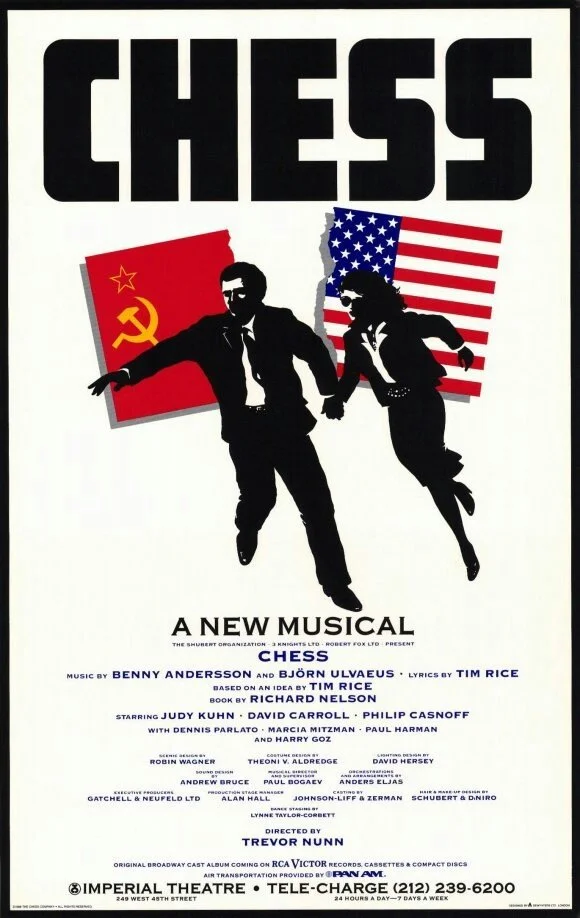
Chess; originally debuted on Broadway in the 1980s, but closed after two short months. This show covers such a variety of different political and social commentary, many of which are even more relevant today than when the show first came out. The show covers the love-triangle and rivalry between three chess players (an American, Hungarian refugee, and Russian) during several world chess championships and matches. Taking place during the Cold War, the main underlying message is that no one is safe from being “pawns” in our government’s somewhat useless and arbitrary wars. The show dives into several hot topics such as governments weaponizing immigration laws and deportation, government violence and wars, mental health and the struggle of depression and bipolar disorder, and many more. And, with music co-written by the writer of Jesus Christ Superstar, Tim Rice, and ABBA members Benny Anderson and Bjorn Ulvaeus, the album is purely no-skips.
Now let’s rewind a bit.
Musical theatre has always been a stage for such political and social commentary. Having very politically relevant shows on Broadway is not something unique to the twenty-first century. From programs such as Broadway Cares/Equity Fights Aids, to the actual stories told on stage, theatre gives voice and place to the marginalized of society; such a communal artistic space known for being a safe haven can’t separate itself from politics. We can see examples of political commentary in the following shows throughout history:
My Fair Lady (1956)-commentary on class divides, and the illusion of status.
West Side Story (1957)-documents gang violence and racism against immigrants in the 1950s and 60s.
The Sound of Music (1959)-commentary against Nazi Germany, as well as on complicity in the face of fascism.
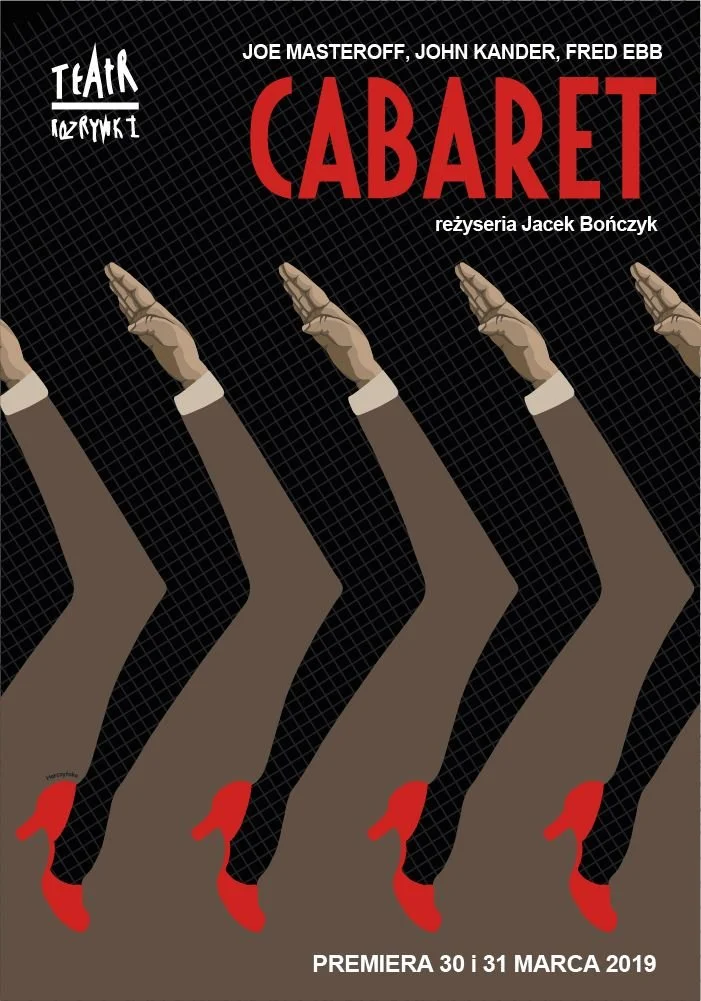
Cabaret (1966)-a grotesque capturing of Germany as Nazism rose before WWII, and the eeriness, unrest, and tension as fascism rises in a country. The setting of the cabaret club serves as an example of how pretending real world events aren’t happening does nothing but contribute to the problem.
Rent (1996)-a vivid documentation of LGBTQ+ rights and struggles in the 90s amidst the AIDS epidemic and crisis.
Wicked (2003)-a metaphor representing racism, and complicity in the rise and cultivation of fascism and propaganda to shape and control public opinion.
Newsies (2012)-a show in support of working class rights, unions, and standing up against unfair working policies and conditions.
Heathers (2014)-a really strong commentary on teen mental health and gun violence that has become overly normalized in the U.S school system.
Hamilton (2015)-telling the U.S’s founding story with a cast made up almost entirely of people of color, Hamilton is a bright commentary on immigration’s foundational role in the U.S, as well as highlighting how people of color have historically been erased from the historical narrative.
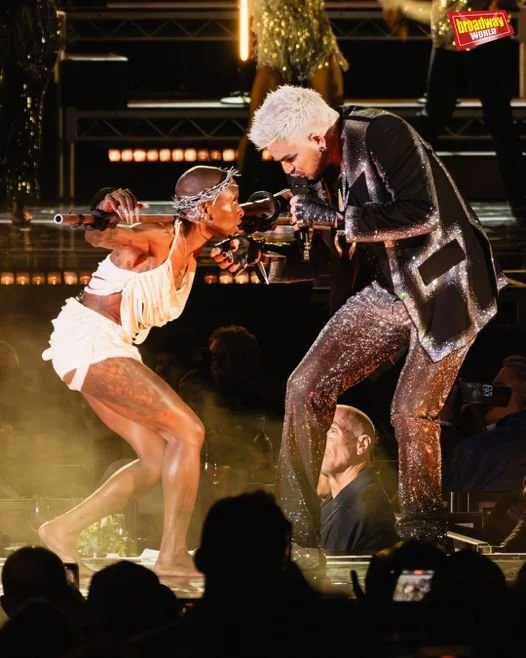
Revivals of shows also make up a big part of musical theatre, and these are equally relevant in their political commentary. One of my favorite examples of how revivals can bring even more meaning to the original piece would be the many recent revivals of Jesus Christ Superstar, which originally debuted on Broadway in 1971. Jesus Christ Superstar has had two major revivals in the last decade; once on a live NBC concert, and once in the Hollywood Bowl. The thing that makes these revivals stand out so much from the original version, is that Jesus was played by John Legend in 2018, and Cynthia Erivo in 2025, both people of color in a musical where Jesus has historically been played by white men. Especially in the 2025 revival, to have a Black woman play Jesus during such politically tense times across the globe, is such a pertinent commentary on society, community, and religion. Of course we see this again with the current showing of Chess on Broadway. Revivals are just that; they revive the message of the original show in a new light relevant to current issues.
While it is easy to get swept off into the imaginary lands of musical theatre, it’s always important to think about where these shows are coming from and whose stories they are telling. Musical theatre is not separate from politics and activism. Theatre has been entangled with these for centuries, and their interaction is what produces such powerful shows that resonate with audiences so well. It’s important to recognize that art is a reflection of the way the world is, and could be. Art is, and will not stop being political.