
Where Did the Details Go?: America’s Architectural Problem
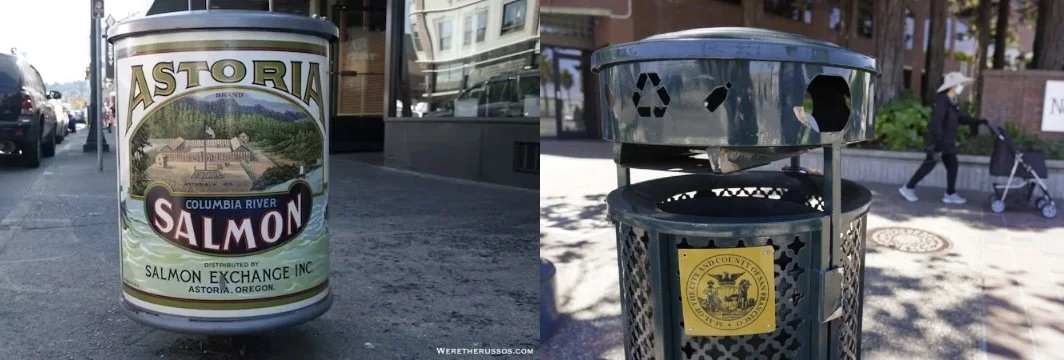
Look around you. If you are inside, consider the furniture, windows, or doorknobs. Try to spot anything ornate in the design. Having a hard time? Take a look outside: what do the cars look like? The buildings, the stairs, the railing, or even the trash cans? Are these things beautiful? Do they stand out? If someone was dropped off at your location with no prior knowledge, would they know what city they’re in? Chances are that if you are in the U.S., you struggled to answer yes.
In the majority of the U.S., particularly in the west, there are little-to-no features in our everyday objects or buildings that suggest that they are more than their function. They are what they are, and we don’t ask more of them. As for the beautiful buildings we do have, we put little effort, time, or money into their preservation or restoration. This should be alarming because architecture holds a major role in how we view and navigate the world: boring environments cause stress, erode community, trust, and lead to loneliness. Not only that, but it simultaneously reflects the values of its people. So if Italy is known for its intimate and walkable street, and Jaipur India is known for its beautifully intricate designs, how do our cities reflect us?
In most older countries, many of the buildings mirror the region. The style is aware of climate and geological needs and the materials used make sense. A great example of this are the tiny windows in many Indian buildings that utilize wind movement, small passages, and thick walls to create a natural A.C. But, they didn’t stop at functionality. These tiny windows were uniquely shaped and intentionally worked into the overall aesthetic of the building. Today, we have modern A.C. units. Yet, we don’t give these technological miracles the dignity of design.
“If you want to understand a society, don’t listen to what it says about itself - look at what it creates” - Sheen Quirke, creator of “How Did The World Get So Ugly?”
We are technologically focused, we admire innovation, and we are efficient. But we are convenient. We care most about money which goes hand in hand with generic and cheap design.
The U.S. did not always forgo care and effort, but struggle forced its hand. For some background, in the early 1900s it was declared that American cities were too dangerous which led the tenement house committee to step in. What followed was the birth of modernist planning. The main idea was that form follows function: efficiency over visual appeal. Again, during WW2, America faced incredible housing shortages which further solidified this idea. This introduced highways to our cities driven by the fear of a need to quickly evacuate due to the everpresent looming that the war was coming home. Designs changed to work for cars rather than people, thus becoming the stepping stone for a carcentric society.
Modern design is the culprit of what we will call "efficient" design—foregoing beauty for function.
But beauty is function. Visually interesting environments improve lives, reduce stress, increase creativity, and foster community. When a city is designed for the people who live there, a natural byproduct is that people want to actually spend time there. Details are the foundation of charm. Tourists take photos of bustling downtowns filled with art and color, not the strip mall attached to a massive empty parking lot.
There is much debate over what is “beautiful.” Cultural context and personal taste also play a massive role in who considers what beautiful. To paint a better picture of what “beauty” means for the sake of this article, we can base it on these three values: intentional design, people-oriented, and interesting to look at. Take a city for example. Iconic cities like New York are lively and compact. There are tall office buildings, but the bottom floor is saved for shops and serves a purpose for pedestrians. This is people oriented. Amsterdam houses are all very similar in length, width, and height—but the detailing around the windows, roof, and colors of each house all vary creating a sort of organized chaos. This is visually interesting. You might not think these things are beautiful, but they are at the very least not boring.
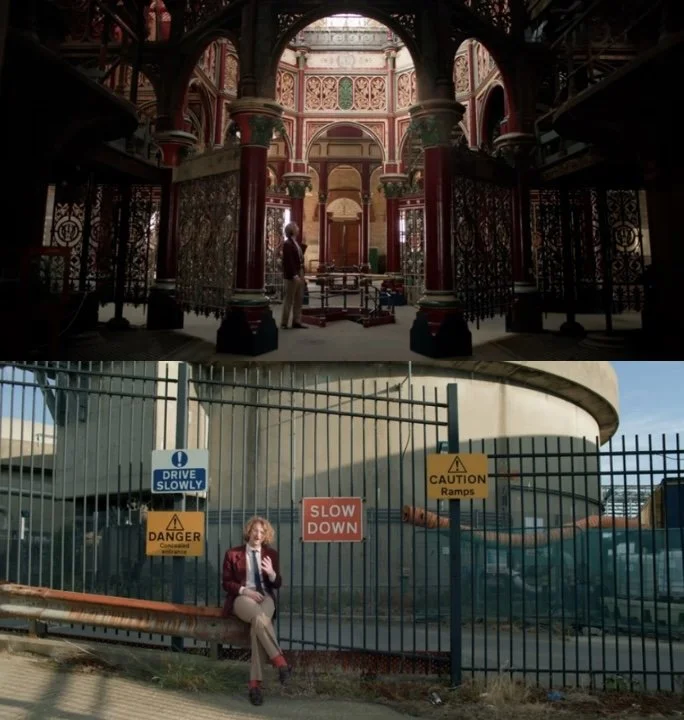
In Sheehan Quirke’s video he visits Parliament. Each column is adorned with trim, and every detail hand is painted. The ceiling is high and there are floral and geometric lattice panels to separate sections of the room. Except it is not parliament but an old sewage facility built in the 19th century. A facility made purely to manage human waste was given as much thought as a place—such as parliament—of high esteem. Why was that? Joseph Bazalgette, the engineer that solved London’s deadly sanitation crisis in 1875, believed that public works should reflect civic pride and be built with longevity in mind. A night and day difference to today’s planned obsolescence design. The idea was that people worked there, and that the people who worked in sewers deserved a beautiful place to work.
Today, we associate sleek design with modernity. But not that long ago, the Victorians embraced modernity with details. Advancements in society were embraced with effort and pride. There is a real risk in the generic. Without something to set a region apart, community solidarity is lost as well as a connection to the places we live. It’s not a past versus present argument, but a reminder to learn from the past and build from it. Architecture represents what we think the world is but also what we believe it can be.
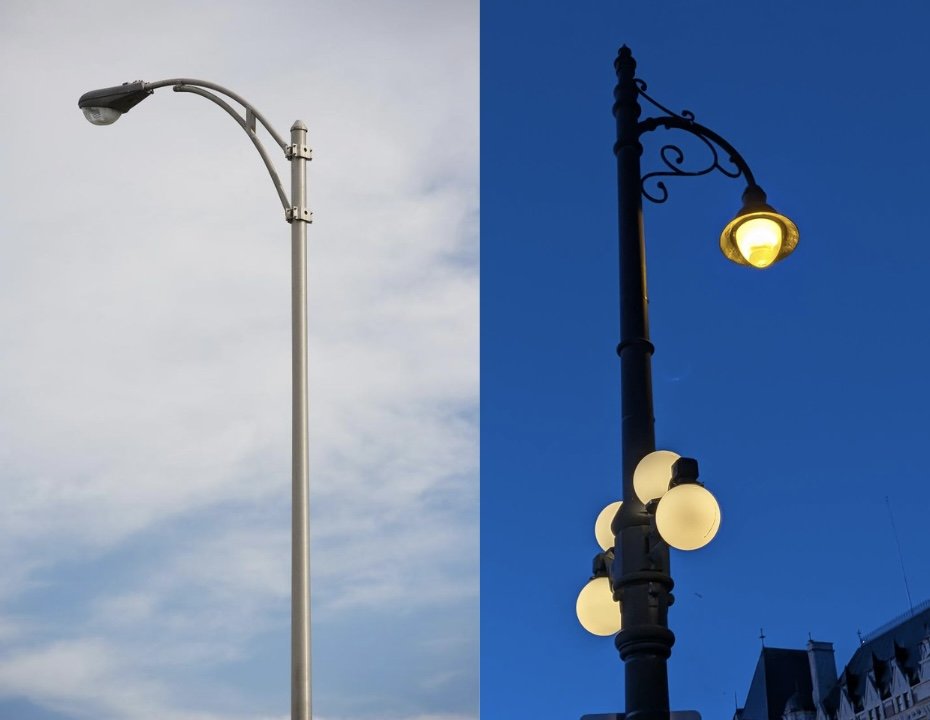
We don’t necessarily need “beautiful” things. We can, and do, make do with our boring lamps, boring bus stops, and cookie cutter buildings. We survive with these things, but why settle for that when we can thrive? We don’t need lamps to be as intricate as the Taj Mahal. We just need them to be interesting.
We deserve ordinary beauty.

About the author: Siena Beckett is a 2nd year student at the University of Oregon, majoring in advertising, but she is very indecisive about what minor to choose. She enjoys getting overly emotional about strange topics, beating a dead horse, and the intricacies of the human condition. In her free time she sails for the U of O Club Sailing team and tries to come up with new and fun activities to host. LinkedIn
American Cities are UGLY: Why We Don’t Build Nice Places Anymore
How Did The World Get So Ugly?
Why We Don't Build "Beautiful" Buildings Anymore
Why everyone hates this concrete building
the LOSS of architectural BEAUTY: america's ugly housing developments
Why cities are full of uncomfortable benches - YouTube
Photo credit: Pinterest