
Fashion’s Dead: Finding Meaning in an Industry That’s Losing Its Soul
The recent Victoria Secret show triggered headline after headline as people rushed to social media to share their thoughts. From TikTok clips to sub Reddit discussion posts, the feedback showed an equal amount of disappointment and appreciation for the runway show. This year’s featured celebrity appearances – not only by the usual Gigi Hadid and Adrianna Lima, but also newcomers like WNBA player Angel Reese and Olympic medalist Suni Lee. The backlash that the latter appearances received from viewers was immense. It seemed as though their achievements were absolutely forgotten as they were watered down to their bodies and critiqued for looks that did not “fit” the narrow standard of a Victoria’s Secret bombshell. Those that once complained about the inclusivity of modeling runaways were now hating on fashion companies that were pushing the boundaries of what was “acceptable.”
Another recent controversy originated in Vogue’s August issue, where a striking supermodel is featured wearing Guess. To viewers, it is unknown that the woman they see was generated completely by a computer.
Fashion as a physical and symbolic art form seems to be facing a crisis within our generation and the industry itself. People are scared of going beyond what is deemed to be acceptable by society. Instead of using the platform that has been created throughout centuries to display artistic creativity, we are using it as a stepping stone for profit-focused advertising and disposable style culture. In a world where the flow of creativity and self-expression seems to be slowly dying, it can be difficult to remember what fashion really stands for. But fashion is not one-size-fits-all. There is a huge variety of sectors within the industry and perspectives on what fashion does – and should – mean, both individually and to society as a whole.
Speaking in Clothing
Fashion is one of the most important creative outlets that we can share with the world. Even sweats, or the mismatched socks that we grab when running out the door, embody who we are. The patterns, the shape, and the color combinations are there to create an image that others can consume. While we do not have the time to exchange conversations with everyone that we pass, what we wear is always seen. Whether that attracts small, simple glances or stares that last a little longer than comfortable, they are all methods of silent communication that we, on some level, crave and need to exist. It is an art form in itself because it differs with each person based on their own self identity.
I met Naue at a photoshoot that my roommate was creative directing. As soon as they showed up to the shoot, I thought they were the coolest person ever. It was not just the outfit they wore, but the way they carried themselves, and how the pieces of fabric they wore expressed themselves as a person without even saying a word. Everyone displays fashion differently- that's the beauty of its creative freedom. And that is exactly why I decided to interview Naue.
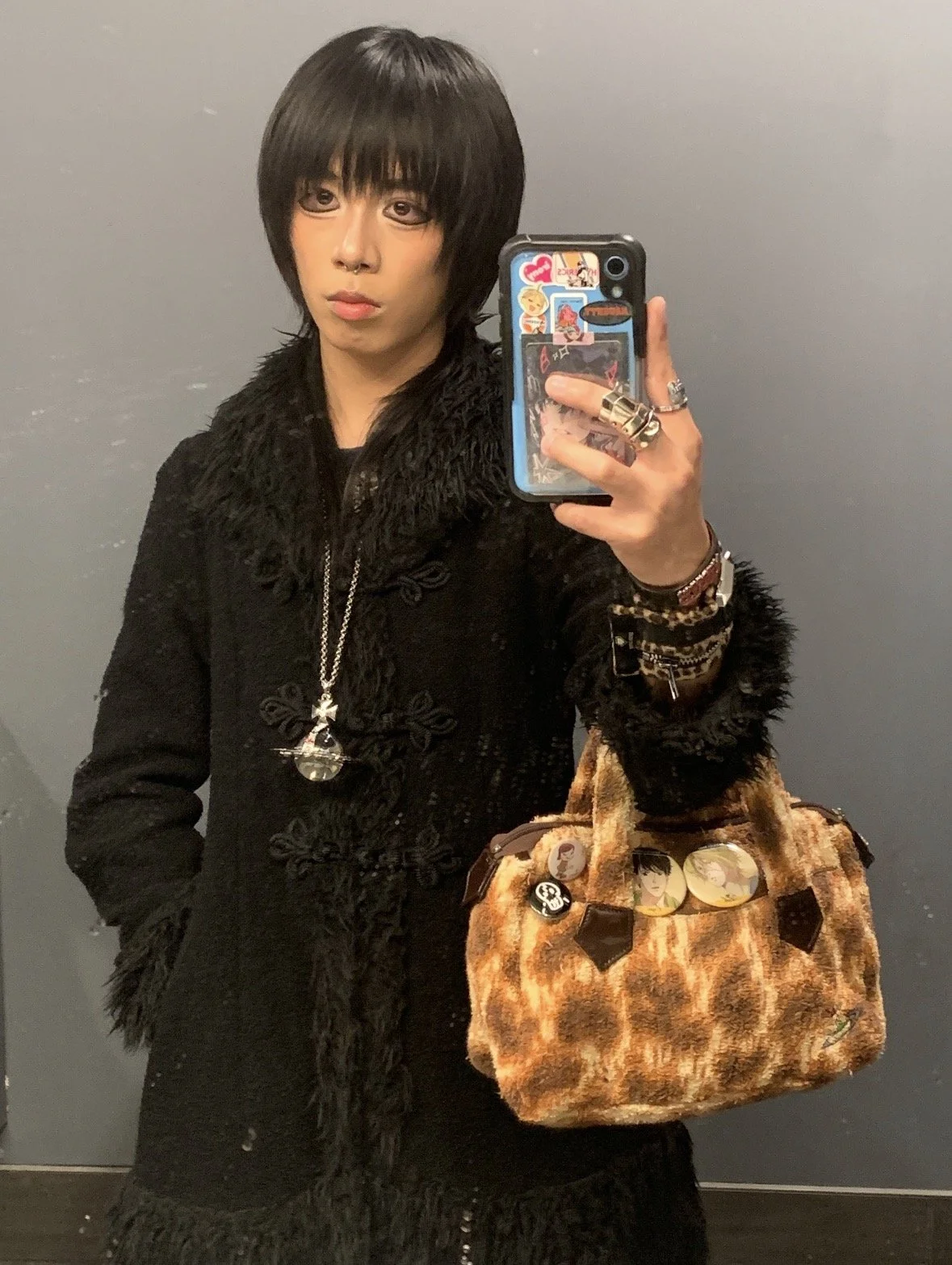
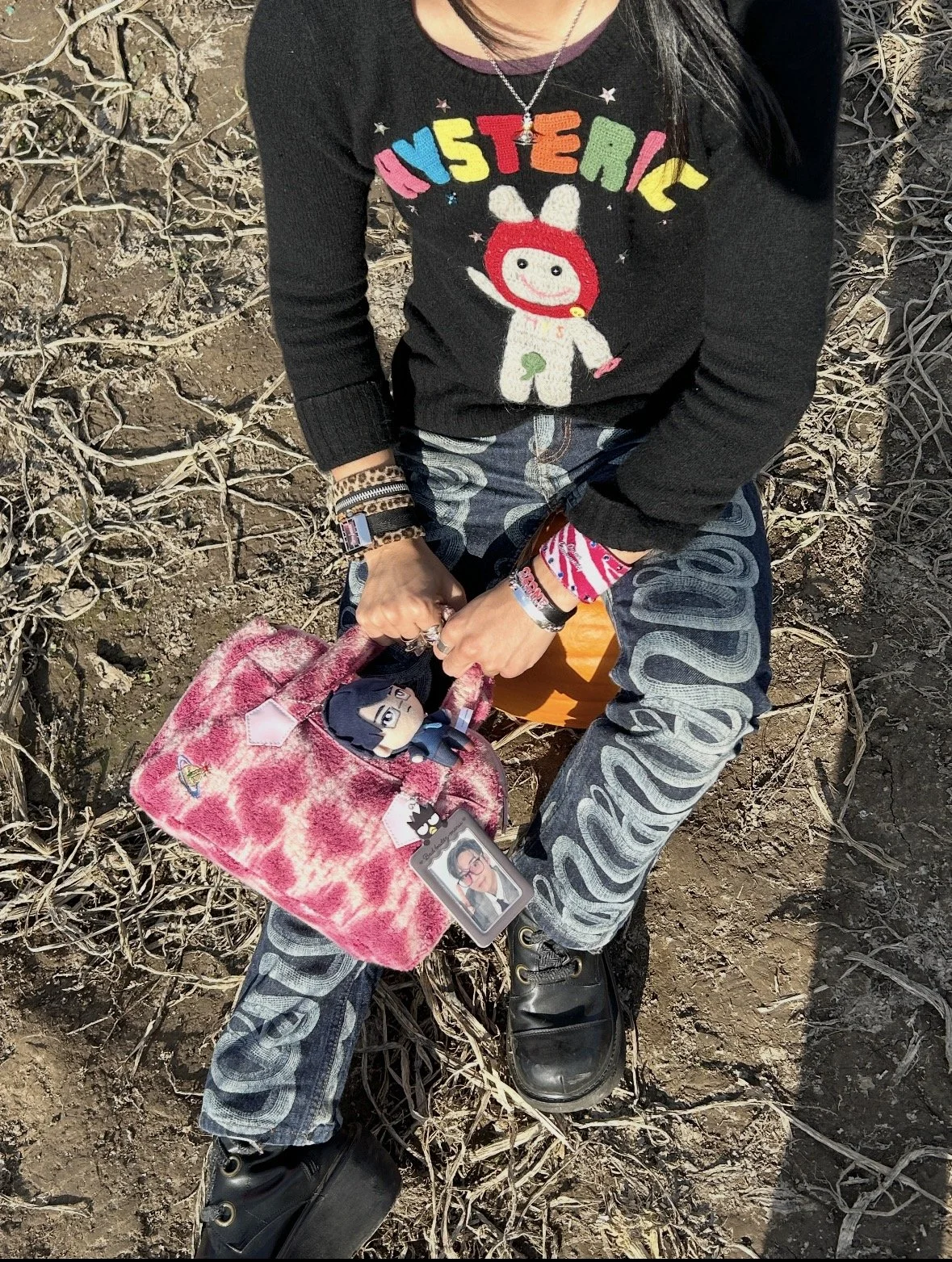
For background, Naue got into J-fashion around the time quarantine hit in 2020. If you were chronically online during that era, you can probably remember the popularity of anime and manga. For Naue, this rise inspired them to start digging deeper, saving pins on Pinterest involving Japanese fashion brands, such as Hysteric Glamour and Vivienne Westwood, featured in the anime Nana. They began exploring a whole new sphere of fashion, looking up specific fashion magazines, notably the Fruits magazine, and following J-fashion influencers on Tiktok. One specific influencer caught their attention and introduced them to the world of proxying. Compared to the inaccessible and expensive pieces on Depop, proxying provided a useful method to find vintage thrifted pieces that would allow them to have their first ever haul in 2022, where they showcased three Hysteric Glamour pieces. In 2023, they had the opportunity to travel to Japan. Staring at the iconic Shibuya 109 for the first time in awe, their passion for J-fashion only grew.
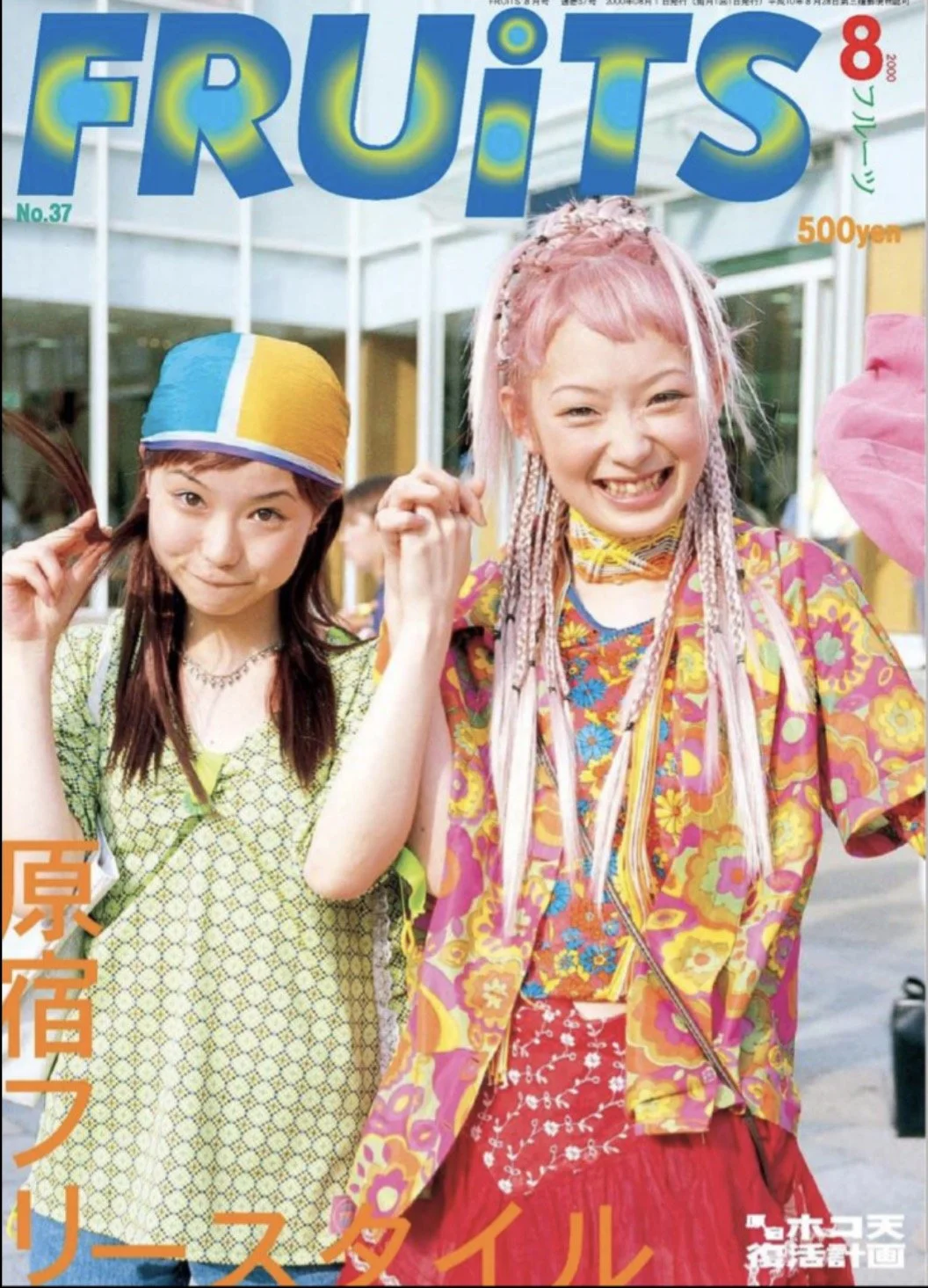
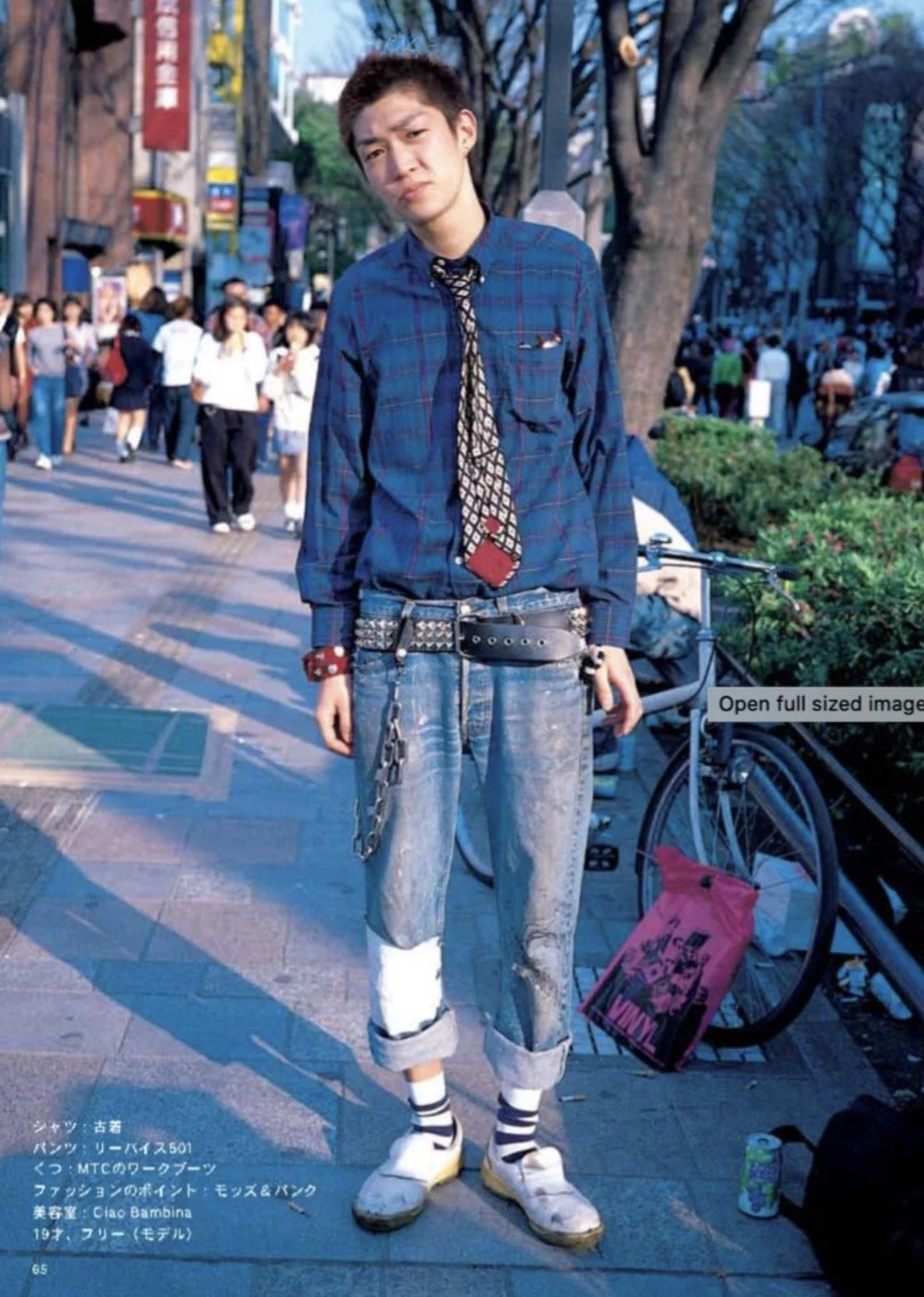
Cover page of Fresh Fruits magazine No.37 Page from the first ever volume
How was Naue able to share his style with the world? They not only resold pieces that incorporated the Japanese 90’s fashion style, but were able to reach a wide audience by creating fashion content on Tiktok and Youtube. Almost two years later, while walking on campus, they were stopped by a random person who claimed they bought one of Naue’s clothing pieces. They became fast friends and Naue learned that he also used to comment on their old videos and made a frequent appearance in their DM’s. He wanted to thank Naue for posting the videos they did because at the time, he was unable to express himself in the way he wanted to due to his environment. Watching Naue’s videos allowed him to live through Naue. During the interview, Naue told me that though not everyone who viewed his content interacted with them directly, they know that they inspired people everyday. This silent impact was what they wished for their style to have. Making a statement and engaging with their own self identity through fashion had the power to inspire others to escape the confinements of their own creative boundaries and explore their own style.
Why AI Can’t Replace the Model
Modeling plays a significant role in the fashion industry, yet it is often criticized for the mistreatment of models and the promotion of unrealistic beauty standards. But what purpose does modeling truly have and why is it important to the fashion industry? For Goya, the answer is all about showcasing a client’s products. Whether that be clothing, beauty products, or accessories, her job is to bring creations to life for customers and viewers.
Goya started modeling her sophomore year of college, when her friends convinced her to submit photos to an agency. Her “why not” moment changed her life as she began traveling and making connections around the world. She started in Portland, finished her advertising degree at the University of Oregon, and has started developing with NYC and London modeling agencies.
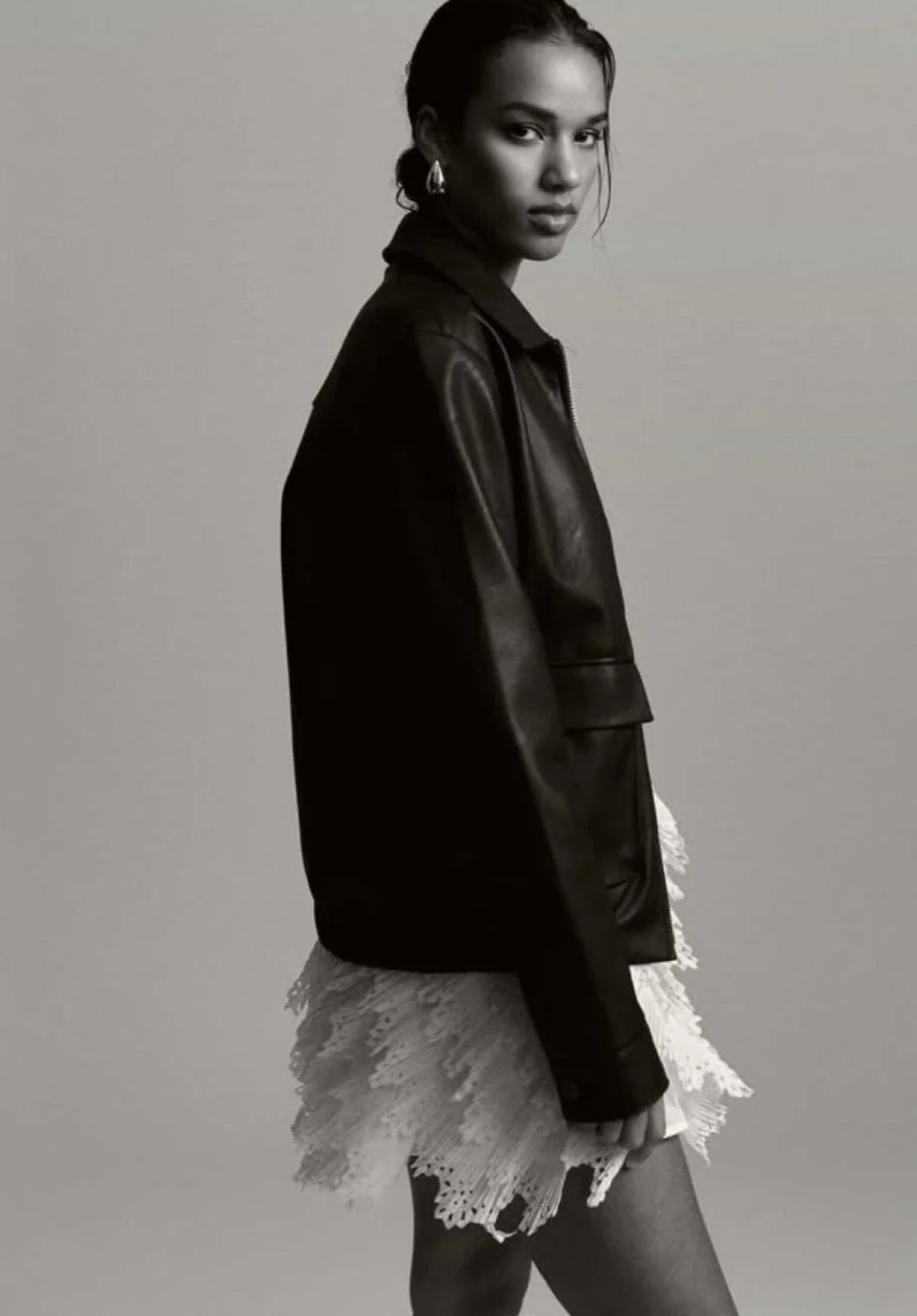
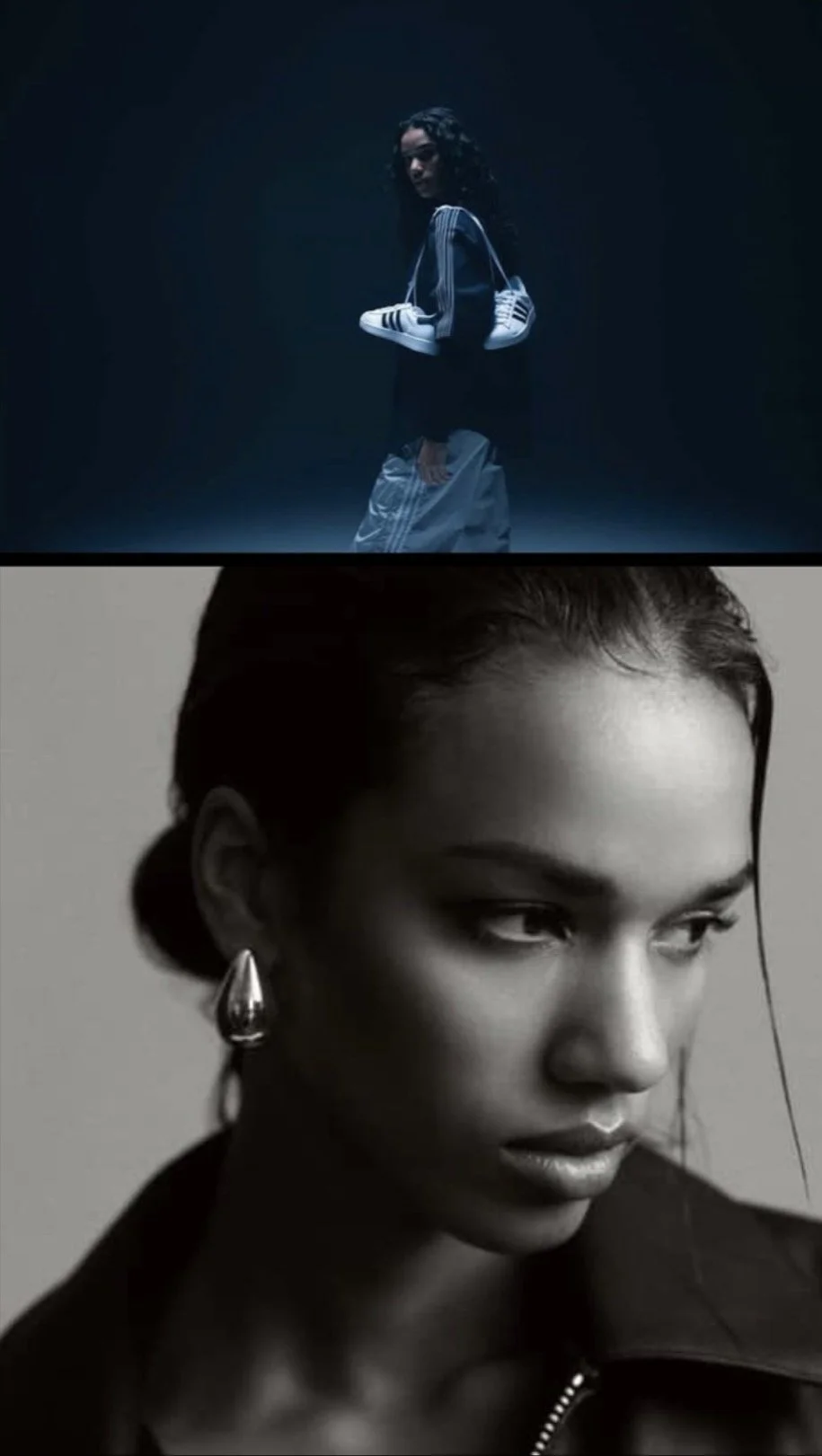
In addition to acting as a display for creative work, modeling also has the power to convey important messages. I asked Goya if she could direct a photoshoot conveying a certain message, what would it look like?
“I would love to direct a photoshoot to showcase and celebrate Black women in the industry. Specifically dark-skinned women. I feel as though the industry really lacks representation in that area. A lot of the Black models you see have lighter skin and if there is a dark-skinned model, they are used as a silhouette in the image, darkened almost into a shadow. I believe there is so much more to showcase in the variety of Black women out there.”
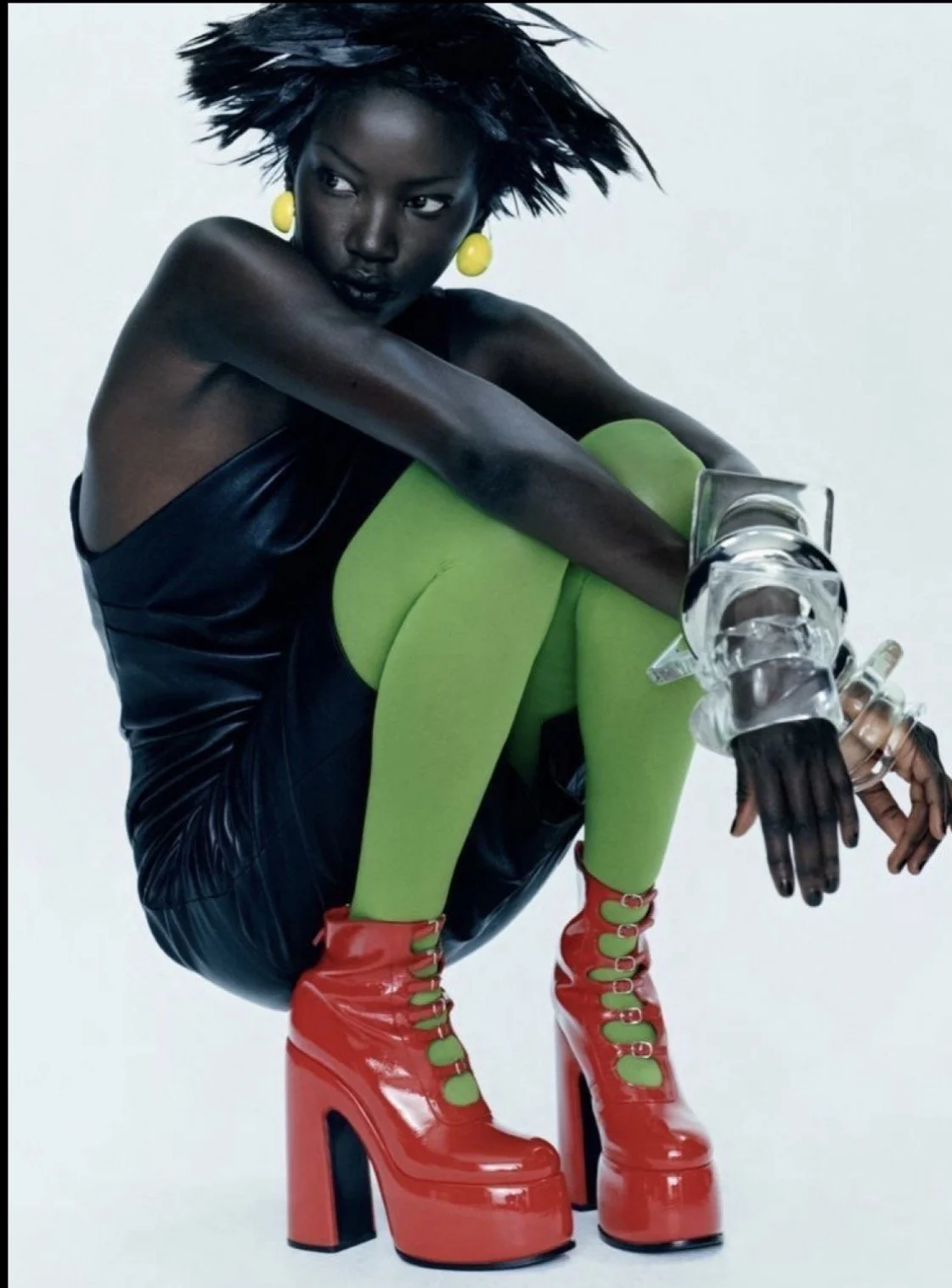
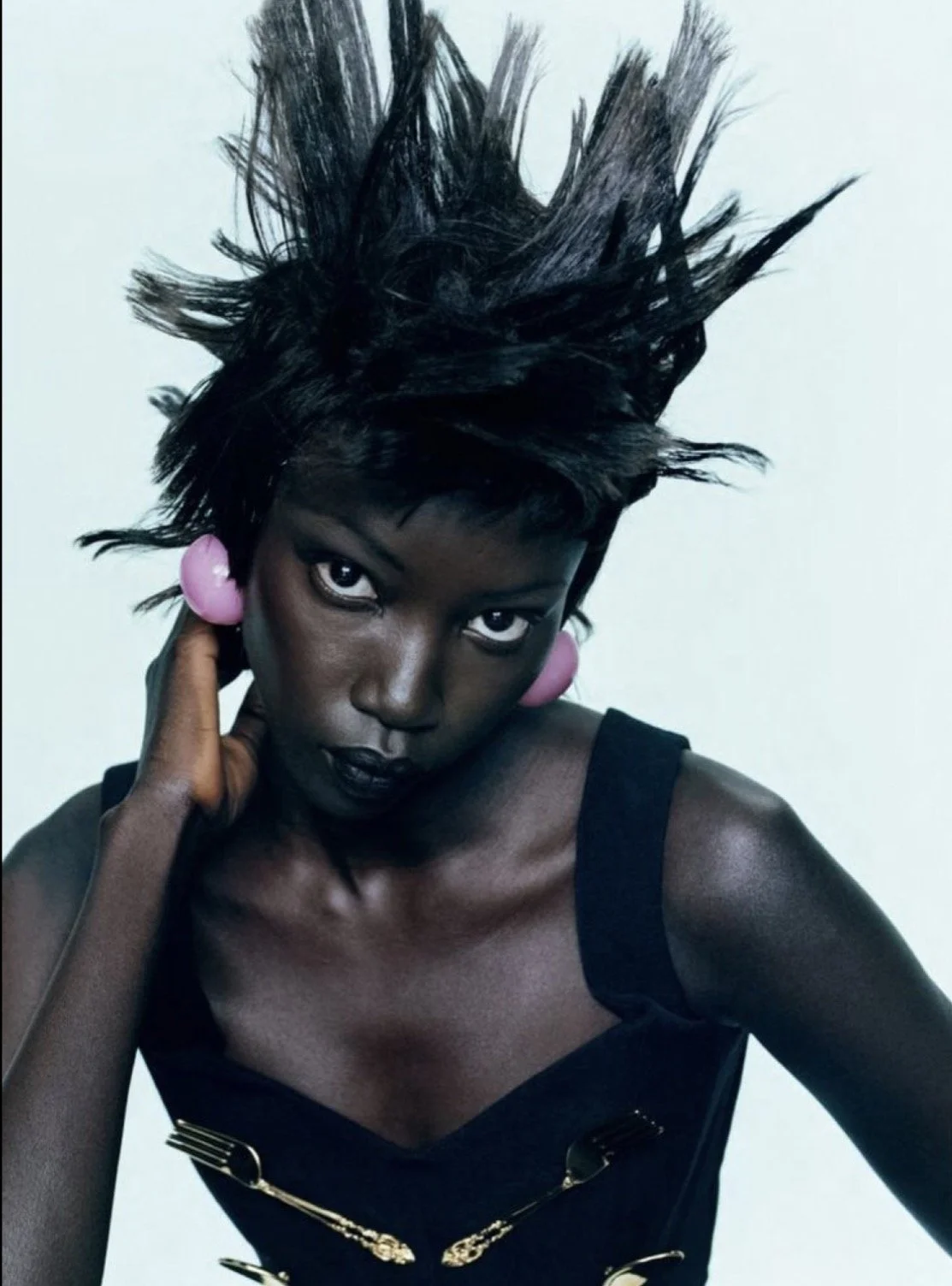
Anok Yai is crowned as 2025 Model of the Year by BFC
When diverse representation is present in the modeling industry, it has an immense impact, especially on younger audiences. Since models are seen as the pinnacles of the beauty standard, it is important to have variety. It shows others that there is not one single feature that is considered superior. Everyone is beautiful because everyone is unique. Recently, Anok Yai was crowned as the 2025 Model of the Year by the British Fashion Council. In her winning speech she quoted, “To all my little black girls who are watching me right now, your color is not a curse. You are not unfortunate, you are worthy, you are capable, and you are more powerful than you can imagine. Thank you so much for seeing me.”
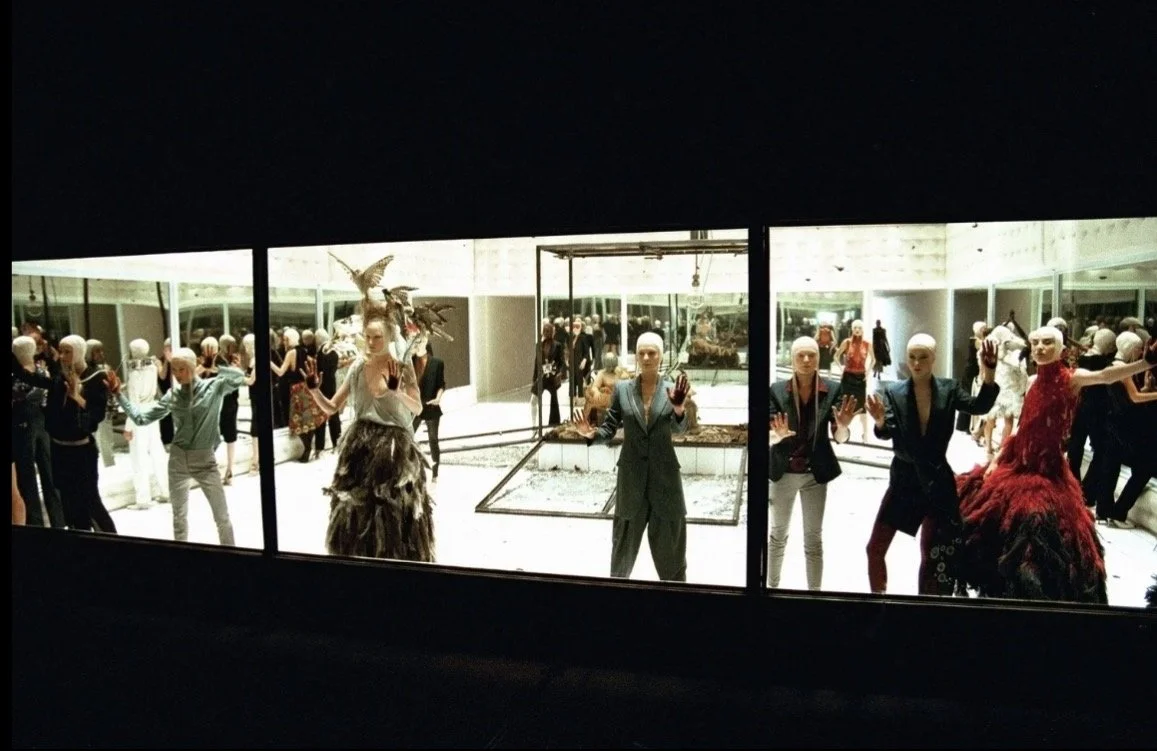
Finale of “Voss”
One of my favorite shoots was Alexander Mcqueen’s infamous 2001 spring/summer show, titled “Voss,” in London. Viewers were instructed to take seats around a mirrored glass box, where they were forced to stare at their reflection for hours until the lights flickered on, signaling the start of the show. The view of the audience was a padded room, mocking one in a mental asylum. The models wore a variety of garments that were floral or feather-adorned, but the conspicuous detail that pulled them altogether was their heads tightly wrapped by bandages. Despite the ominous setting, the element that I believe truly set apart the show from the rest was the freedom of expression given to the models by McQueen himself. As the models walked, they acted in unsettling ways. They would walk and stop, look around, bang on the glass, and claw at their eyes. Each displayed movements that were tormented and manic, all while still strutting on and off the stage with a confident demeanor. At the time of the show, McQueen’s mental health was taking a toll. The more he achieved, the more lost he felt. He tried to convey this through his work, but exactly how he felt could not be understood by anyone. So, he left it to the models. Every emotion in this world is interpreted differently by each individual. Each model was able to perform based on how they felt McQueen’s art should be displayed. That is what creates the art aspect of fashion – the complexity of our feelings and emotions. No matter how much technology develops, a computer can never feel as a human could.
Modeling is a side of the industry that has the ability to transform fashion. Through lived experience, emotion, and individuality, models give products meaning, transforming them into messages that audiences can not only see in action but also understand. Models also have the ability to make statements through fashion, whether it's challenging long-standing beauty standards, or translating fashion as an emotional and conceptual language rather than a commercial one. Fashion is an art form that models bring meaning and life to. AI may be able to generate picture perfect models, but it cannot create the complex human emotions and traits that real people with real stories and experiences carry.
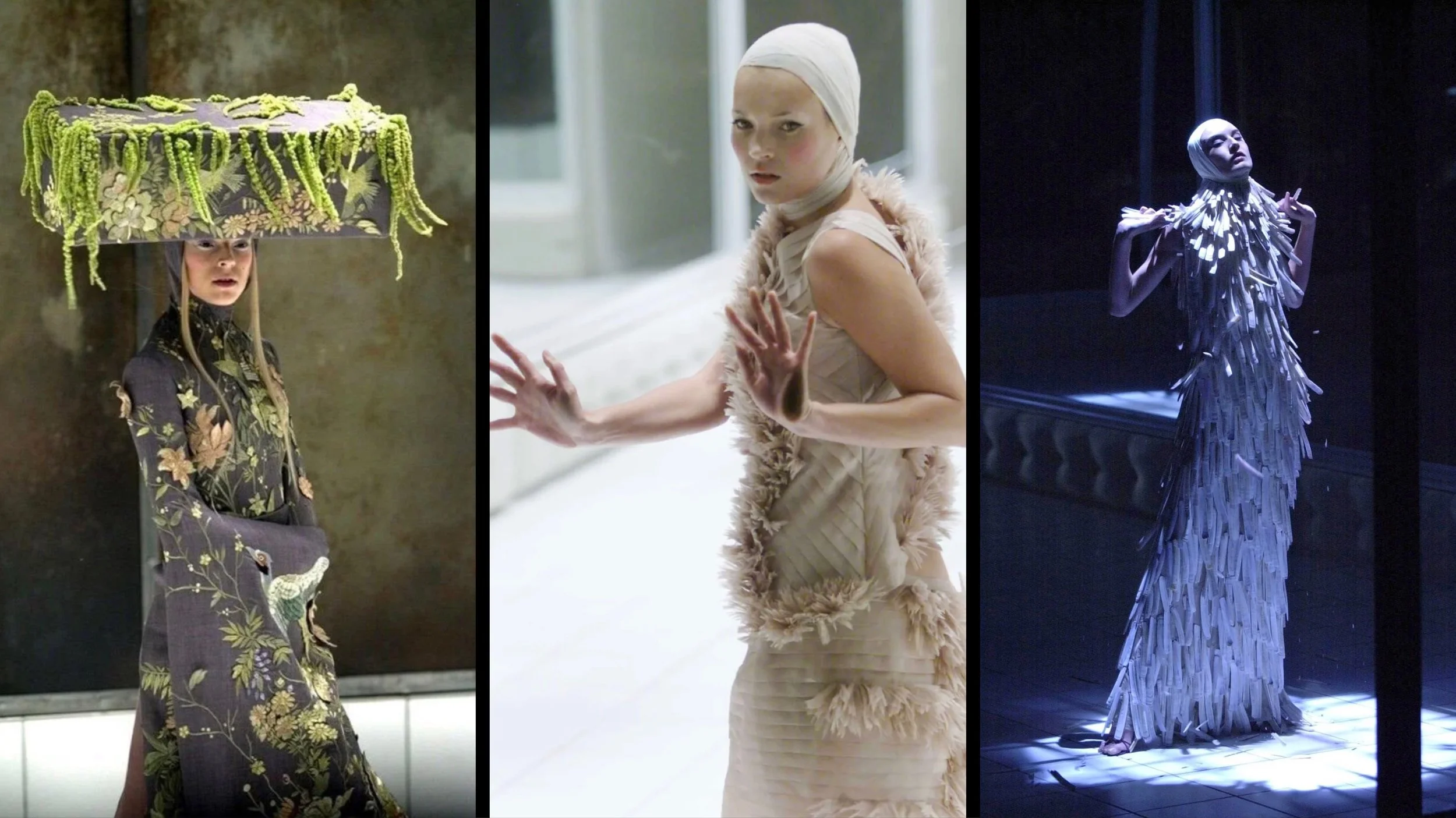
Looks in the “Voss”
The Search for Your Inner Swag
Here at the University of Oregon, Will Ficker is a full-time economics student and a part-time model who has done shorts for various athletic brands, such as Reebok and Adidas. His career started in his senior year of high school, when he was scouted by his current modeling agency.
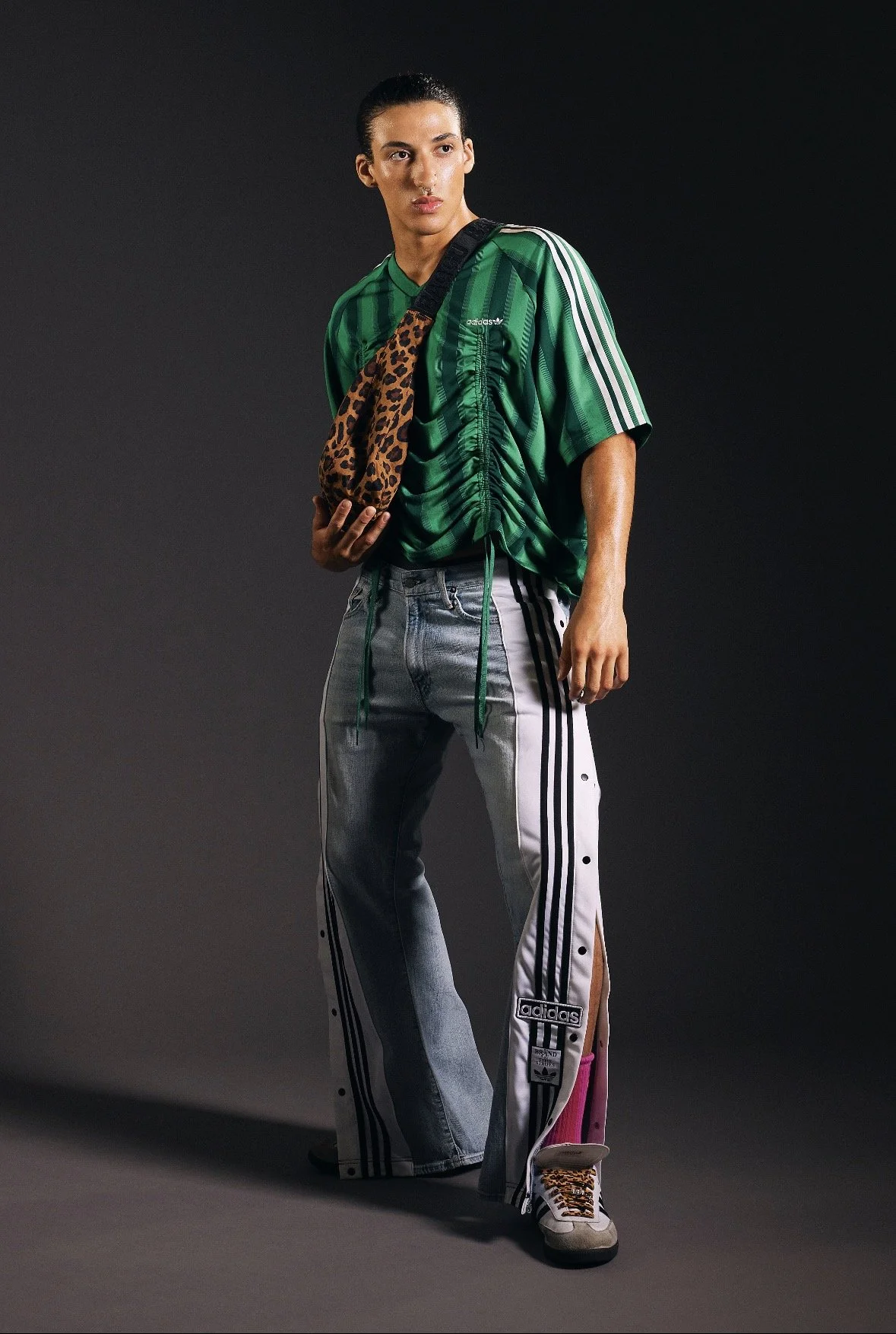
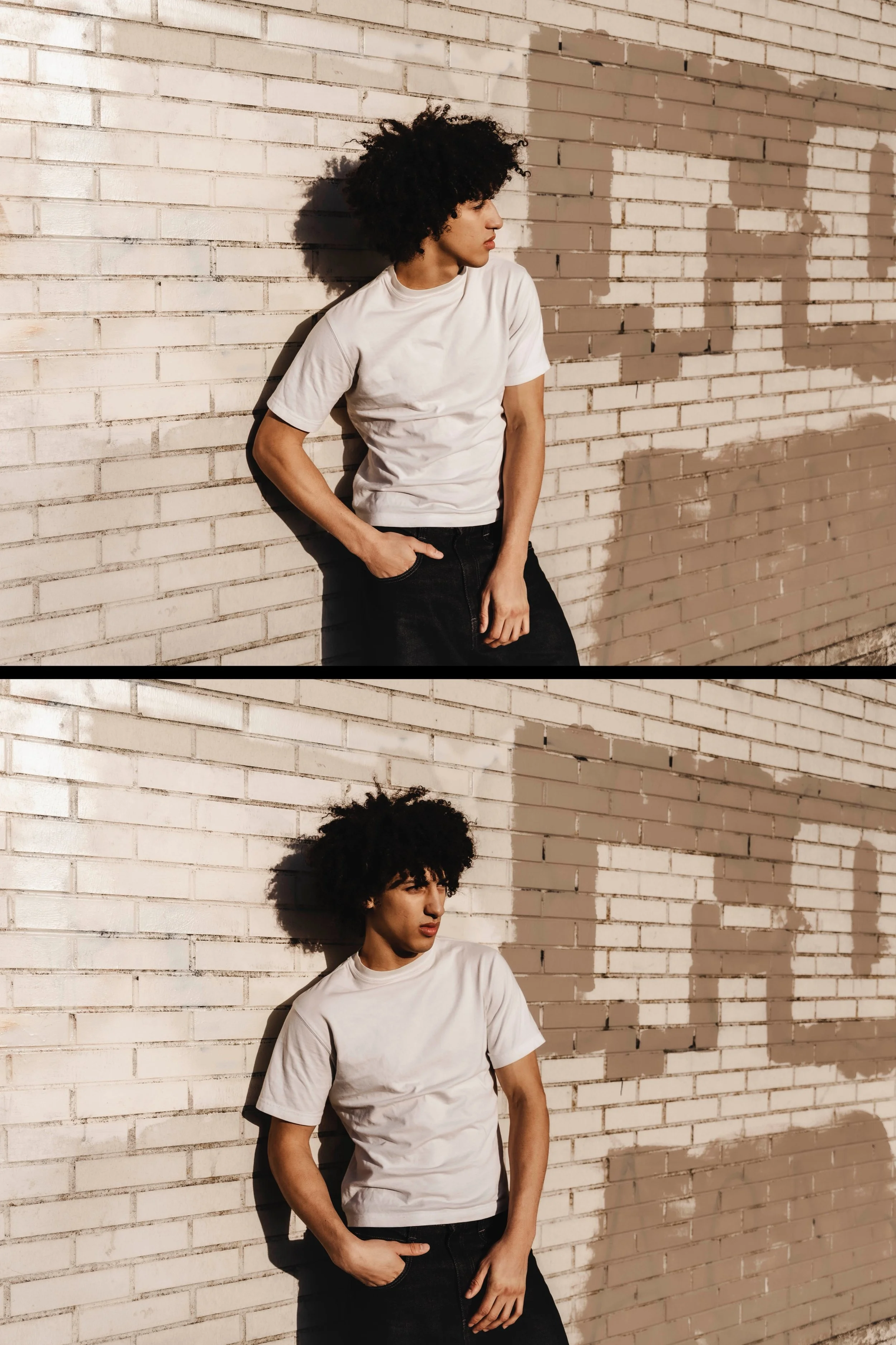
“Fashion is almost like a religion, for me, at least.”
This ASAP Rocky quote stuck with me prominently because it expresses how important fashion is in his life. Labeling fashion as a religion implies that it is something that you devote yourself to and serves as a direct reflection of who you are and what you believe in. ASAP is one of Will’s muses that continues to inspire him throughout his modeling career. The idea of devoting yourself to pieces of fabric might seem like nonsense, but clothing serves so much more than its materialistic purpose. For Will, the most important lesson he has learned has to do with finding his own “inner swag.” There is a big difference between “looking good” and “looking cool.” While the former tiptoes inside the boundaries of a box, the latter expands and changes depending on the person and their own self-identity. “Looking cool” does not directly associate with flashy designer brands or the latest trends. The way a piece is styled is completely up to a person’s creativity.
But at the end of the day, everyone has style.
Finding clothes that look cool on display is the easy part. Making it look good on you is harder. Clothes are the outer garments that everyone sees. It's the opportunity given to us to communicate with strangers, whether it's on the way to class or picking something to wear for a sorority formal. There are so many layers to who we are and what we wear is an essential aspect of that idea. It's not an easy journey, but Will has progressed through experimenting and finding muses or artistic role models to look up to. Whether that's wearing skinny jeans or quoting ASAP Rocky, each person’s journey is different. But finding who you are and expressing that identity through fashion is absolutely possible.
Featured:
Naue: @boypr1ncess
(clothing store) @boyprincessvintage
Goya Silva: @goyasilvaa
Will Ficker: @_will.ficker
Sources:
About the author: Minami Salas is a sophomore majoring in Neuroscience with a minor in Chemistry. Although she is pursuing a career in medicine, writing is still an important passion in her life. By writing blogs, she is able to continue expressing her career and voice.