
Oregon is known for its centuries old forests across the mountains, valleys, and the rivers that thread through the landscape. Fire has always been a part of Oregon’s history and future, for better and for worse. More than 2.1 million acres burned in 2026, breaking the previous record held in 2024. As snow levels continue to decrease, the threat is bigger than ever.
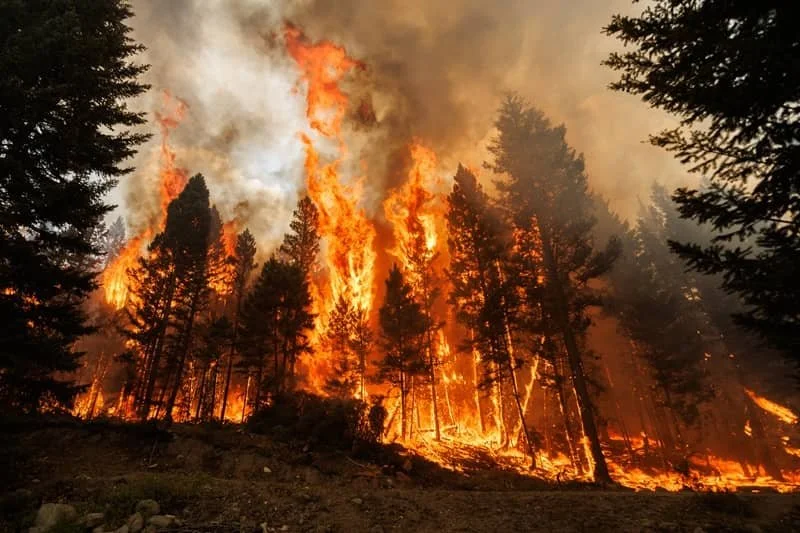
But there is a powerful part of the story that deserves more attention: conservation. Conservation is one of the most important tools used to prevent the vulnerability of our forests and preserve the nature that makes Oregon scenic. It is more than planting new trees after the fire, it’s understanding the land before the flames.
Across Oregon, conservation organizations, scientists, Tribal Nations, foresters and landowners are working to restore the natural balance of forest ecosystems. An important part of this work is forest thinning. Through planned treatments, selected smaller trees and excessive vegetation are removed. This helps reduce competition for water and sunlight while creating more resilient forest structures. The objective of conservation is not to clear forests, but to restore the conditions that allow native ecosystems to thrive, without being vulnerable and prone to disastrous wildfires.
This practice goes farther back than modern day technology. Indigenous communities throughout Oregon have practiced cultural burning for generations, using intentional fire to care for the land, this encourages growth of important native plants, improves habitat, and maintains healthy landscapes. Their knowledge reminds us that conservation is not simply controlling nature, but understanding our relationship with it.
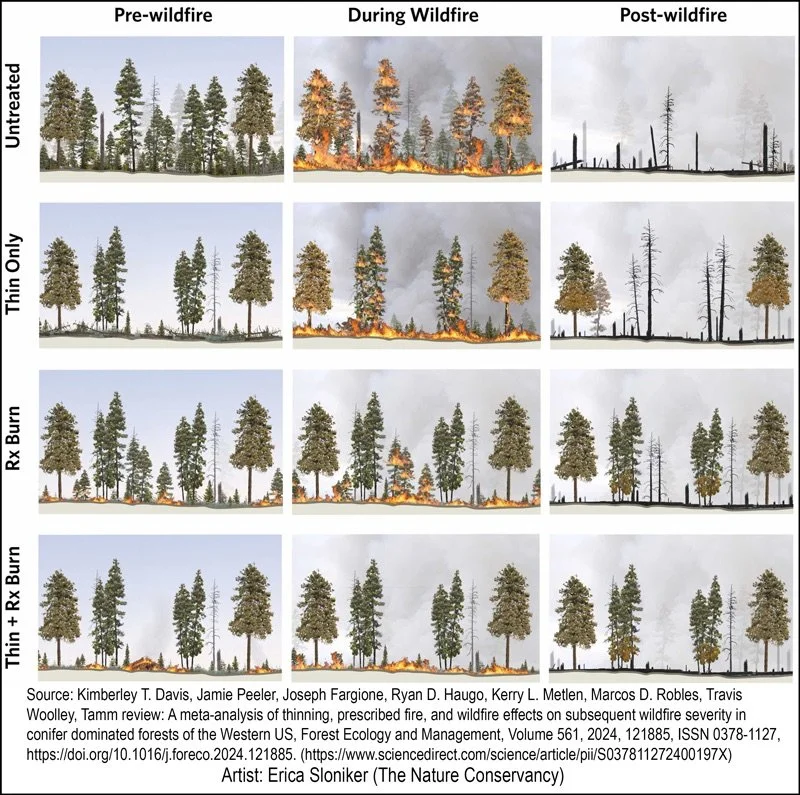
Indigenous tribes in Oregon continue to practice conservation by combining Traditional Ecological Knowledge (TEK) with modern science to protect land, water, and wildlife. In the image below, you can see the impacts of using the thinning technique, controlled burning, and both.
The treatments that conservationists do help the impact of the wildfires if any. Being left untreated, the post-wildfire land is left with ash and tree stumps. When treated, native trees continue standing.
Though the work isn’t just us and the trees, Mountain snowpack acts as a natural reservoir, releasing water into forest ecosystems throughout the warmer months. As snowpack declines and spring melt occurs earlier in some regions, forests can experience longer periods of summer dryness. Combined with rising temperatures, this can place additional stress on trees and increase vulnerability to drought, insects, and fire. That is why conservation continues to be so important.
Oregon's watersheds therefore are an essential part of protecting it’s forests. Healthy watersheds help regulate water, maintain stream habitats, stabilize soil, and sustain the ecosystems. Conservation organizations and state agencies work to restore streambanks, protect wetlands, reestablish native vegetation, and improve water quality.
But even when the fires come, conservation doesn’t stop.
As the blackened stumps of trees catch the eyes of many, and ash covers the ground of green, beneath the surface the process of renewal has already begun. Plants regenerate from surviving roots, insects find habitats in the fallen trees. Already the vegetation starts restoring the soil on the floor.
Though many areas are capable of restoration on their own, conservationists help replant native trees in areas insufficient of doing it by themselves. Some watersheds may need to be protected from erosion as well. The job never ends, letting the forests continue to thrive never-ending as well. Oregon's forests should not end with the fire, it should begin again, and thanks to nature and the helpful hands of conservationists, it continues to rebirth and grow on top of history.
Images (in chronological order of article)
Cover image: https://oregonconservationcorps.org/keeping-oregon-green/
https://cascadepolicy.org/uncategorized/whos-responsible-for-oregon-wildfires/

About the author: Helen Bouchard is a fourth-year journalism student with a minor in global studies. In her writing she explores topics in arts and culture, disability awareness, and international relations. She enjoys the outdoors including hobbies such as camping, hiking, and more.