
To Read This Article, Subscribe for Only $5.99/Month!
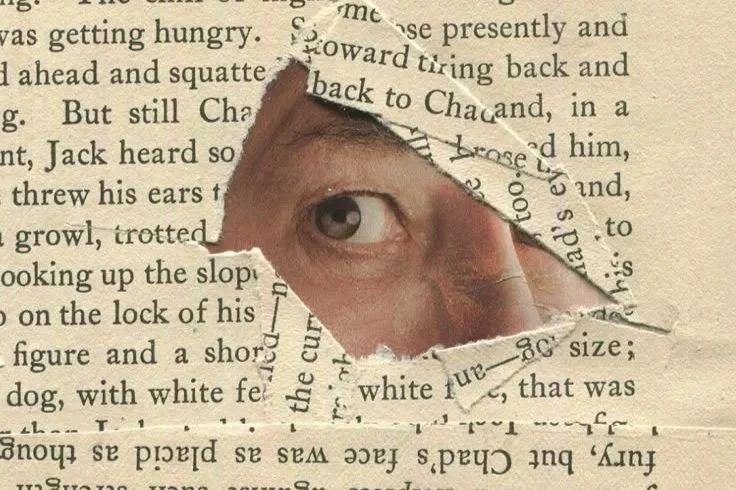
My parents met in the newspaper. Back in 1998, people placed personal ads in the dating section, not unlike dating apps today. They went on their first date at the local Starbucks, which had a rack of newspapers for purchase – just in case things didn’t go well and they had to start back at square one.
The date went well, and 20-something years later, I exist. But y’know what doesn’t? The newspaper.
Well, sort of. I literally attend the School of Journalism and Communication. I can walk into Allen Hall and pick up the latest copy of the New York Times, or read it through my institution, which I pay upwards of $30,000 a year to attend. Anyone can read a physical copy of the Washington Post or the Wall Street Journal sitting on a rack in a Starbucks, but no one can skim an online article with a paywall pop-up blocking the text. The newspaper’s decline isn’t personal – it’s actually a symptom of something much larger.
In the digital age, most people are going to get their news online, whether that be from social media or a news outlet. But try to read a New York Times article, and you’ll be asked to sign in or subscribe for only $1.50 a week. Though that doesn’t seem like a lot of money, most Americans aren’t going to subscribe to the New York Times when they could just find the same information for free on social media; they won’t have to read to the end to get what they’re seeking.
Subscriptions are everywhere now. From printer ink to heated car seats, companies now charge us for things that we used to own. Paywalls aren’t unique to journalism, but the implications are much different. The unfortunate reality is that journalism is shrinking. Pew Research reported that in 1998, over 56 million people read newspapers each week. That number shrank to 20 million in 2022, the same year people spent an average of 1.48 minutes visiting newspaper websites. Almost 25% of Americans were living paycheck to paycheck in 2025. These individuals don’t have the financial capability to subscribe to a newspaper; the people who pay to access publications are often educated and part of the middle and upper classes. Publications have to rely on subscriptions from online readers to stay afloat. But what happens when quality reporting is inaccessible to a large portion of the American public?
Rather than read the news, Americans have resorted to social media. Unlike journalists – who follow a code of ethics – users have the freedom to say whatever they want with minimal to no oversight. Further, social media companies are notorious for taking a non-interventionist approach. In 2016, Facebook – now Meta – launched a fact-checking program but abruptly ended it in 2025. There are also creators on these platforms who almost cosplay as journalists, but their reporting is algorithm-oriented.
The results are clearly illustrated by the creators who dominate online news. Aaron Parnas is a self-identified independent journalist with 5.2 million followers on TikTok, known for his sensationalist videos. Scrolling through his page, each video starts with “breaking” or “exclusive” news. Not only are his videos exaggerated, but some viewers criticize him for plagiarizing because he doesn’t source his own information. Parnas isn’t the only one; countless other content creators capitalize on news events without concern for the spread of misinformation. This is the type of news Americans are left with when legacy news is put behind a paywall.
On a national scale, we’re being forced to confront the effects of access to accurate, ethical information becoming a privilege rather than a right. The current system needs a strong overhaul. Access to good journalism shouldn’t depend on a subscription. Americans should receive real news from reporters who’ve dedicated their careers to the journalistic code of ethics. In 1998, my parents picked up the newspaper, and in 2026, we should be able to as well.
About the author: Allison is a third-year public relations student with a minor in environmental studies at the University of Oregon. In her writing, she loves to explore the relationship between pop culture, politics, and the environment. She enjoys reading, crafting and trying out local coffee shops.
Sources:
Cover photo:
https://www.pinterest.com/pin/766034217908488923/
Hyperlinked sources:
https://financialaid.uoregon.edu/cost_of_attendance
https://www.nytimes.com/subscription/all-access
https://www.pewresearch.org/journalism/fact-sheet/newspapers/
https://www.cbsnews.com/news/inflation-wage-growth-economy-paycheck-to-paycheck-bank-of-america/
https://apnews.com/article/meta-fact-checks-community-notes-bb814cfc5e8d29a1ecc058f836de9580
https://www.nytimes.com/live/2025/01/07/business/meta-fact-checking
https://courtneyexplainsitall.substack.com/p/the-parnas-problem-defining-journalism