
Aloha in the Aftermath: Hawaii’s March 2026 Floods
In March 2026, more than 2 trillion gallons of water flooded the Hawaiian islands. The systems of moisture-heavy weather, called the Kona Low storms, produced the most catastrophic inundation the state has seen in two decades. The torrential downpour led to state-wide evacuations, rescues, road closures, drowned homes, and lingering power outages, resulting in overwhelming damage to community infrastructure and agriculture. Every island surpassed historic rainfall records within the first few days of the flooding (University of Hawai’i, 2026). While all islands were affected by the disaster, it hit O’ahu especially hard. The island’s North Shore saw over five feet of rain between March 19th and March 23rd. In just four days, the storms swept hundreds of homes underwater and swamped farmlands that were crucial to community prosperity (Hawai’i Public Radio, 2026). In central O’ahu, communities of Waialua and Hale’iwa evacuated due to the concern that the 120 year-old Wahiawa Dam would fail because of rising water levels. While the dam ended up barely surviving the storms, the crisis caused many families to leave their homes on short notice. As if that wasn’t enough, Hawaii consequently faced extreme adversity from an economic standpoint as well. Josh Green, Hawai’i’s governor, said he expected more than a whopping $1 billion of damages in the public and private sectors combined (NYT, 2026).
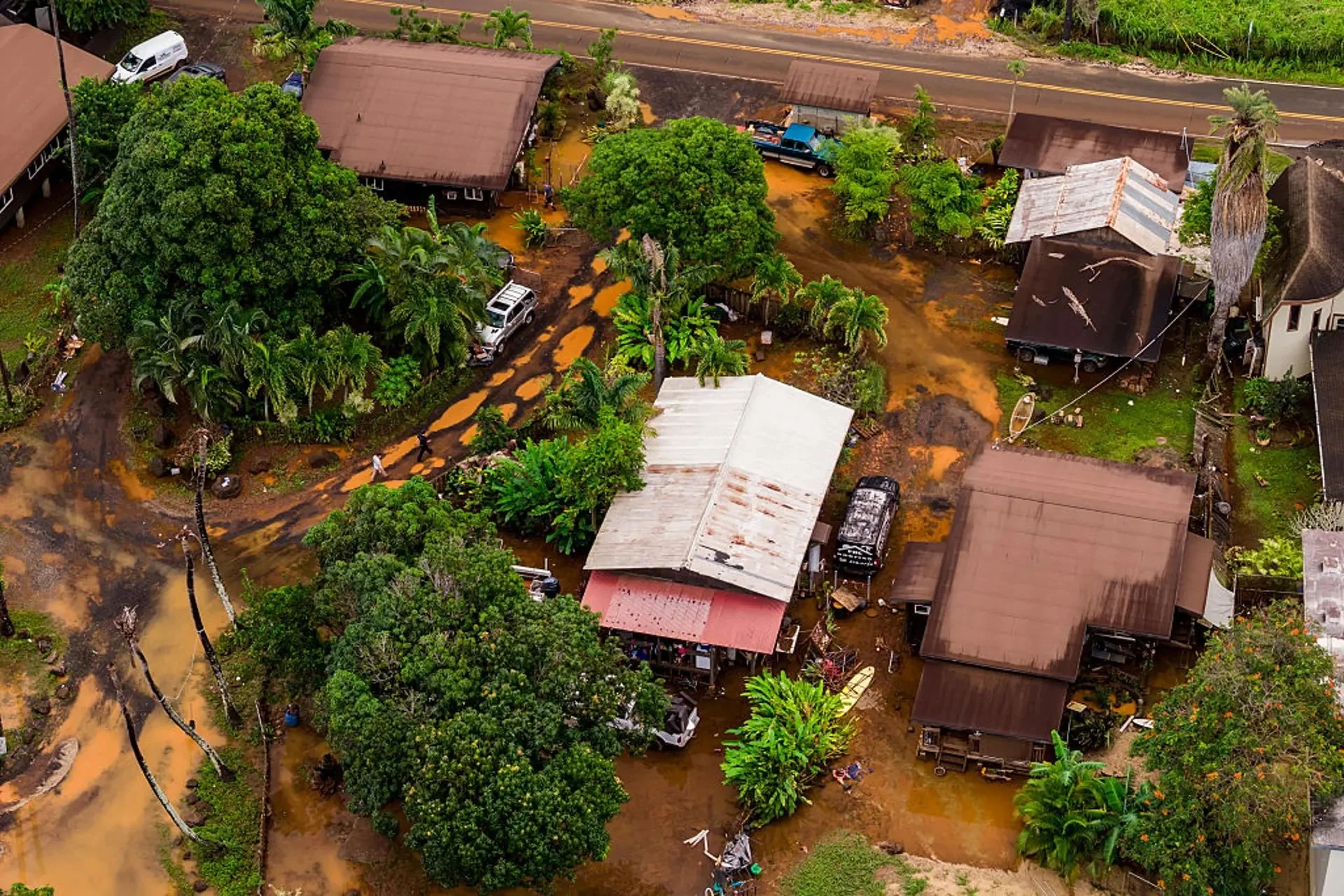
TIME Magazine, March 2026.
The flooding had many disastrous implications, but it also served as a crucial reminder that Hawai’i is enduring the first-hand effects of climate change. The combination of rising sea levels, warmer air, and an increased intensity in Kona Low storms are all consequences of climate change that put Hawai’i at a major risk. When considering the state’s aging historical infrastructure—seen through the Wahiawa dam crisis—it is imperative that forecasters and climate change scientists continue working with Hawai’i in mind.
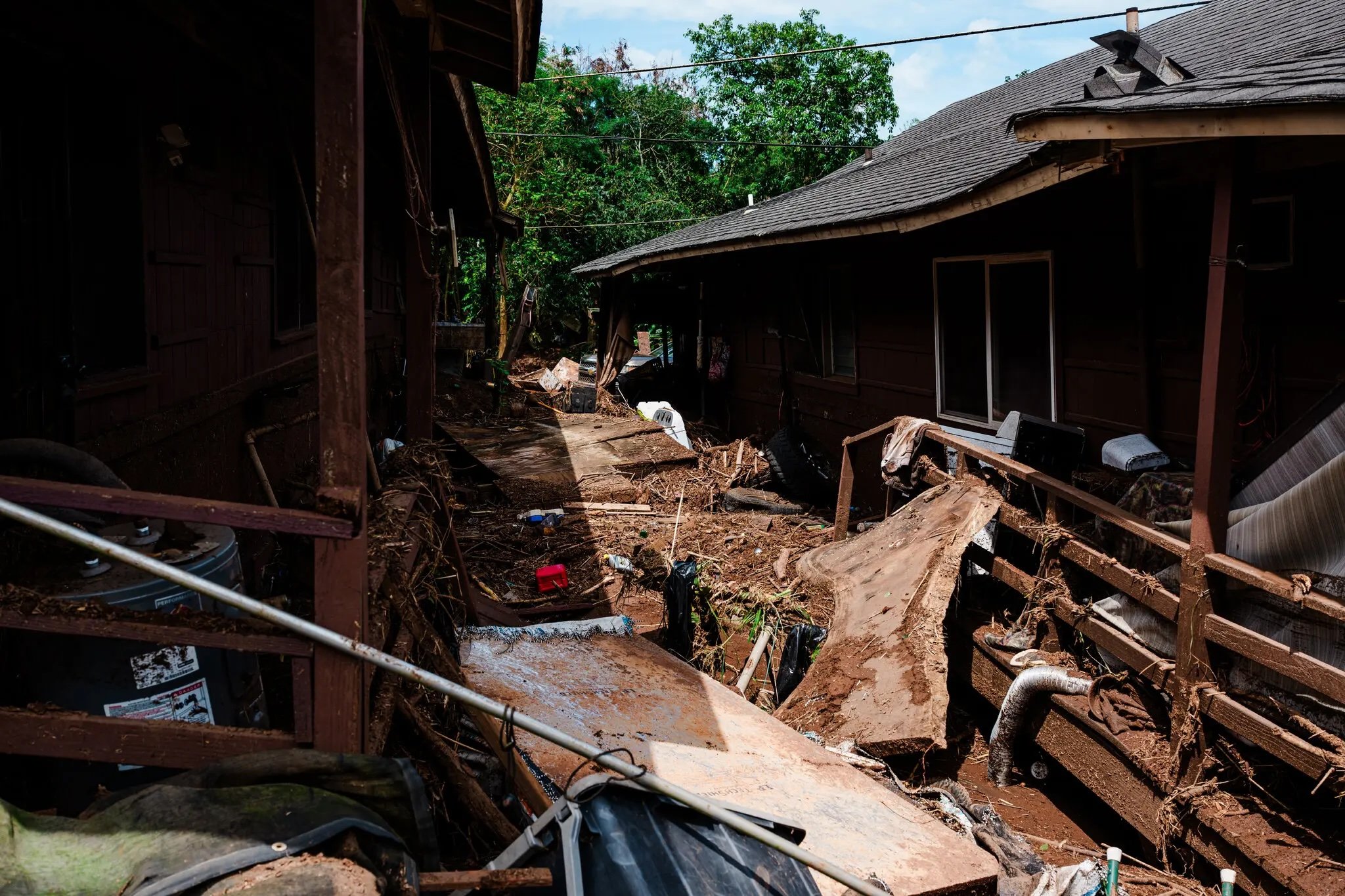
NYT, March 2026.
More impressive than the storms’ damage, however, is Hawai’i’s steadfast and unwavering support of one another. In times of crisis, the individuals and families of Hawai’i never fail to extend generosity, even if everything is taken from them. In an interview, Kathleen Pahinui, a resident of Waialua who had to evacuate her home, said, “Hopefully if we make it through today, then tomorrow will be dawn bright and sunny…And then everyone can start moving slowly back in, and we can start to resume normal and start cleaning up and helping our neighbors” (OPB, 2026). She is one of the many people that have continued to extend their humanity for their community’s recovery. During the week after the storm subsided, the Haleiwa Distilling Company partnered with the Hawai’i Food Alliance and the Hawai’i Food Bank to provide residents with donated goods and food. They have made it clear their support is not going anywhere: Tracilyn La’e Alo, a Hawai’i Food Bank employee, affirmed, “Our goal is to make sure that no family, either on the North Shore or across Oahu, is left behind. We are here to make sure that nobody falls through the cracks during this recovery and that we’re here for the long haul, especially after the immediate need” (Hawai’i News Now, 2026). This outpouring of aloha, along with the extensive appreciation of first-responders, the countless families who boarded their fellow community members, and the brave individuals who tirelessly shared all they had with their neighbors only affirms the love that flows through the state.
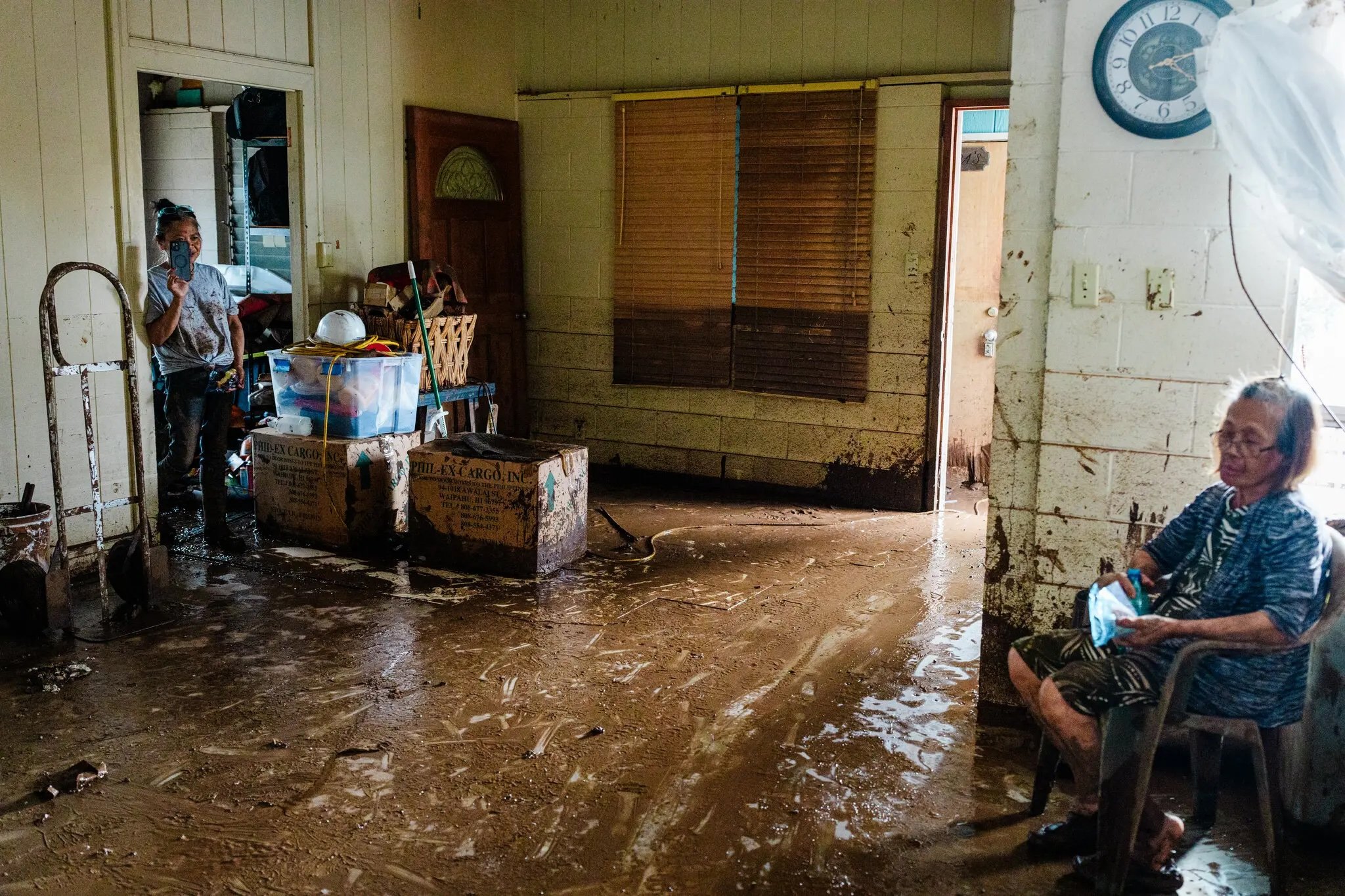
NYT, March 2026.
In times of unprecedented tragedy amidst a culture where everyone is “uncle” and “aunty,” no one is a stranger and everyone is ‘ohana. For the people of Hawai’i, material wealth will always come second to aloha. Where there might not be an abundance of fortune, there will always be an abundance of intentional, instinctual care. Keiki (children) and kūpuna (elders) alike intuitively take their kuleana (responsibility) to uphold Hawai’i’s altruistic culture seriously. In a world wrought with increasing levels of apathy even in the thick of horrific disaster and violence, Hawai’i is a beautiful example of what has always existed in Hawaiian culture and what the rest of the world truly needs: a reflexive return to the selfless care of others.

About the author: Hannah Dean is a sophomore majoring in English and minoring in dance at the University of Oregon. She is from the Big Island of Hawai’i. She enjoys long conversations with her best friends, reading poetry she doesn’t understand, making bad photo art, camping, drinking ginger lemon honey tea, and laughing way too much while doing all those things.
You can find Hannah on Instagram at @hannahh.deannn if you want to see her bad photo art or reach out and be best friends!