
As spring has sprung, students come out from hiding into the sun. Why? Is it a cultural and social theme, or is it a biological need for us to stay balanced?
From a social perspective, going outside and tanning is a large part of our culture. Consumerism encourages us to try every tanning oil made, buy swimsuits for the fun occasion, make TikTok videos of before-and-after tanning reveals, curate outfits that we enjoy, and be around our friends. All of this romanticizes the idea of being what I like to call a “sunflower”—also known as enjoying the outdoors.
From a biological perspective, the sun gives us what we call the sunshine vitamin (D3) to keep us healthy. This vitamin specifically gives us the ability to have strong bones and supports the immune system by creating natural antibiotics and antiviral agents in the body. Over 75 percent of Americans are deficient in this vitamin which can lead to further chronic illnesses.
Overall, the sun impacts us positively, and I believe many students would choose a sunny day in Eugene rather than the pouring rain that we have had for the past two weeks. It keeps us balanced, happy, and heals our soul after the dark and dreary winter term. While science explains the physical benefits of sunlight, many belief systems, including chakra philosophy, suggest that light and energy also influence our internal balance on a deeper level.
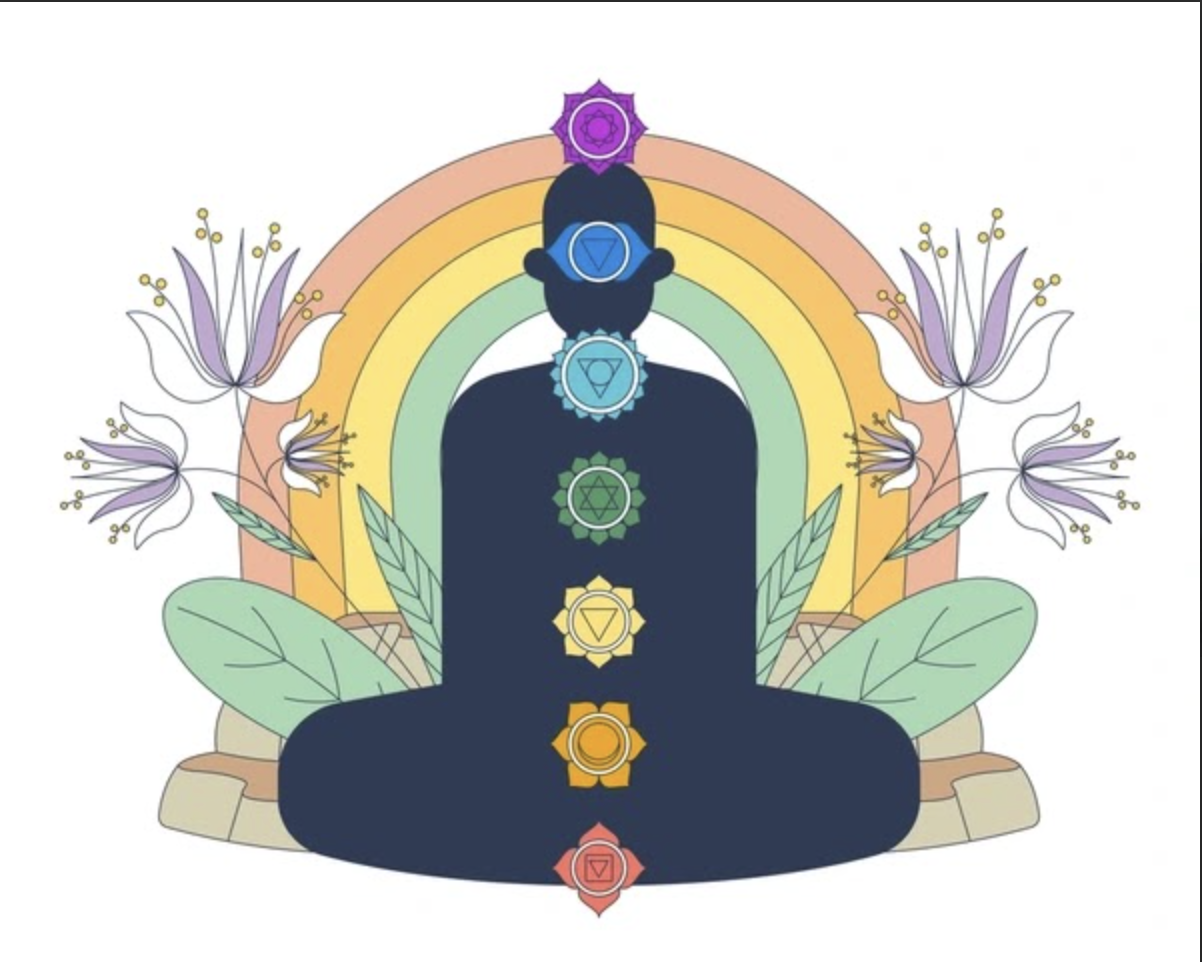
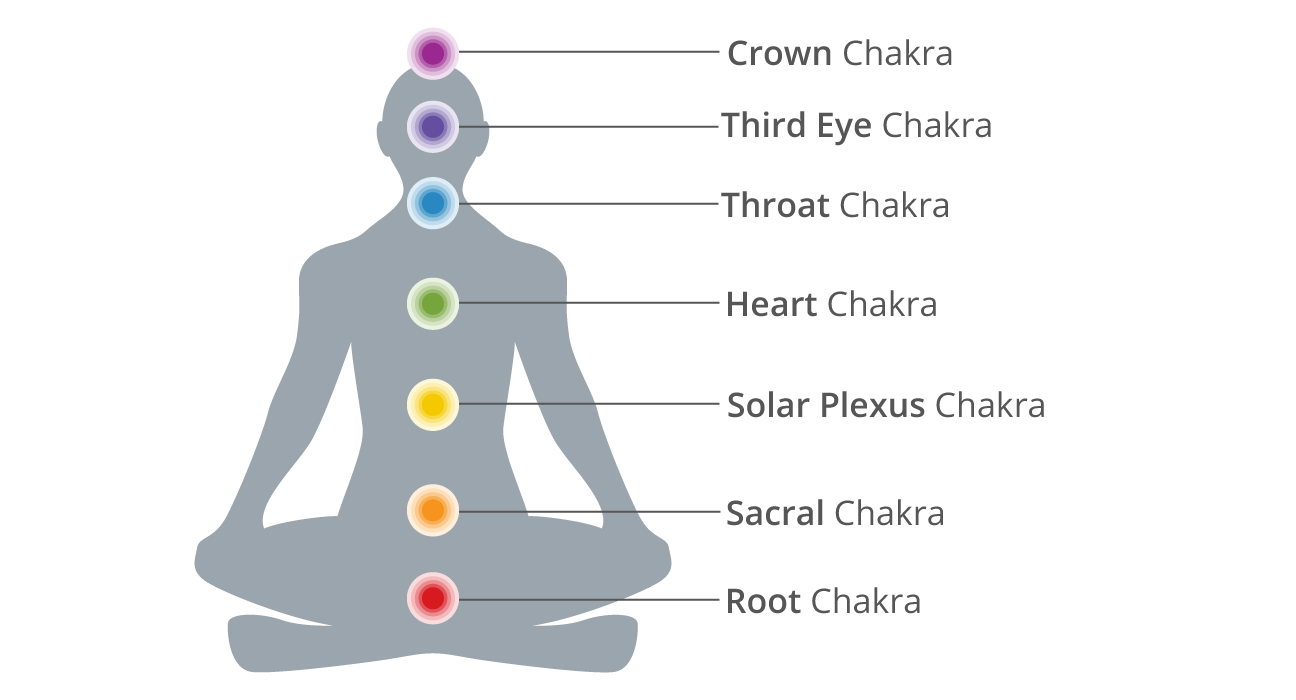
In the human body, we have main energy points, also known as the seven chakras. They follow down your spine, and each section has different meanings, changing what can happen if one is “blocked.”
The seven chakras include:
Crown Chakra (top of your head): intelligence
Third Eye Chakra (head): intuition
Throat Chakra (throat): communication
Heart Chakra (chest): compassion
Solar Plexus Chakra (stomach): self-esteem
Sacral Chakra (lower abdomen): sexuality
Root Chakra (bottom, tailbone): stability
Chakras were first known in India dating back to Vedic texts (1500–500 BCE). They were formally developed within Tantrik Yoga (600–1300 CE), and they were specifically used for the practice of meditation and manifestation.
When these focal points are blocked, it can cause a mental, emotional, and physical disruption for the body.Instead of energy flowing smoothly through the body, it is thought to become lifeless.
For example, a blocked throat chakra may make it difficult for someone to express themselves clearly, leading to feelings of frustration or being misunderstood. Another example could be a blocked heart chakra which might show up as emotional distance or difficulty forming close connections with others.
While these ideas come from spiritual traditions rather than scientific evidence, they are often used as a way to reflect on personal well-being and provide a sense of healing, like the sun.
Whether explained through science or spirituality, the shift we feel in spring is hard to ignore. Students aren’t just desiring the sun for aesthetic reasons, we may be responding to something deeper. From boosting our physical health with vitamin D to restoring emotional balance through connection and nature, stepping outside becomes more than a habit. More importantly, it becomes a form of healing for the students in Eugene.

About the author: Helen Bouchard is a 2nd year student at the University of Oregon majoring in journalism with a minor in global studies. Helen likes to write about culture, international relations, and anything that sparks her interest. In her free time, she enjoys the outdoors and continues her hobby of film photography.
Sources:
Cover: Chakra Yoga Illustration: https://luuckk.com/en-us/blogs/articles/complete-guide-7-chakras-alignment-meaning-practices?srsltid=AfmBOooYvZtOMGe5Ig44C7pi6QAgBT9w22DVRrzXlYi7Dw2X2JhlgRzj
Chakra Energy Points Illustration:
