
On April 3, Kristoffer Borgli’s “The Drama” was released. Starring Robert Pattinson and Zendaya, it unveils a topic of discussion around confessions, and how they define you.
First, we meet a happy couple that is about to get married, watching their love unfold, and start preparing for the upcoming wedding. However, during a scene of a wine tasting with friends, a confession is made. At the table, they all agree to tell each other the worst thing they feel they have done. Emma, Zendaya’s character, turned out to be the worst. She confessed that she was planning a school shooting in middle school. Though she never did it, the thought and preparation was still made.
Terror and disgust filled the room, resulting in the friends leaving. Now Charlie, Robert Pattinson’s character, feels uneasy about the person he is about to marry.
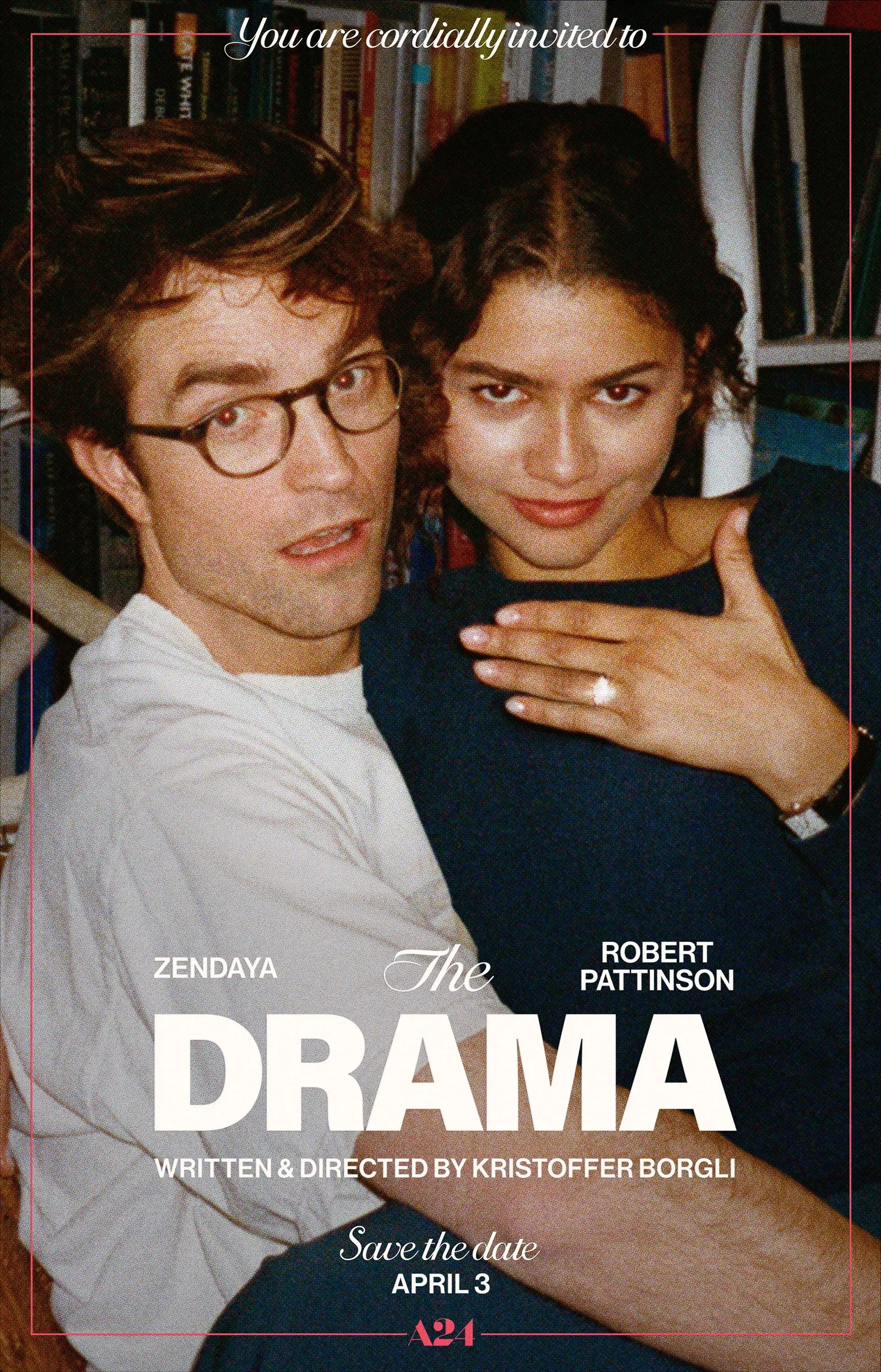
It begs the question, can you still love someone for their past?
After this confession, the wedding turns upside down. Charlie starts to second guess who he is in love with and who Emma truly is as a person. Multiple days of fighting go on until the wedding day.
The film ends with Emma leaving her own chaotic wedding reception after Charlie drunkenly reveals he cheated on her during his rethinking and stress of the confession.
What does this tell us?
The confession at the center of “The Drama” raises a difficult question: Should people be judged solely for the thoughts they have, or for the actions they choose to take? The film dives into a larger conversation about intrusive thoughts, which are unwanted, disturbing ideas that can enter a person's mind without reflecting who they are.
Intrusive thoughts scientifically represent unwanted, involuntary thoughts, images, or urges that can appear in a person's mind. Mental health experts say these thoughts are often disturbing and violent; however, thought does not mean a person agrees with it, wants to act on it, or that it reflects their true character. Many people experience intrusive thoughts at some point in their lives. A new study found that more than 94 percent of people have intrusive thoughts and impulses. What separates these thoughts from real intentions is that they are not acted upon.
“The Drama” lets the audience sit with the uncomfortable reality: we often judge people not only by what they do, but by what they admit to thinking.
Emma's confession changes her from a loving fiancée, soon to be wife, into a monster in the eyes of her friends and future husband. This confession overpowers every other aspect of her personality, despite the fact that she never carried out the violence she once considered.
Though, at the same time, the film does not give us an easy answer.
Emma's confession is extreme, and the reactions of those around her are understandable. When finding out that someone once planned an act of violence, this would naturally raise concerns about trust, safety, and morality. Yet, the audience is left wondering whether Charlie's judgment is fair. Is Emma defined by her dark past, or by the person she is now?
Ironically, Charlie's own actions complicate the issue even further. While Emma is condemned for thoughts and plans she never acted upon, Charlie betrays her through an action he chooses: Cheating. The film flips the conversation.
So which is worse: a terrible thought that remains a thought, or a harmful action that becomes reality?
By the end, Borgli exposes how quickly judgment can reshape relationships. The film suggests that confessions hold power because they change how others perceive us. Once a secret is revealed, people often struggle to separate who someone was from who they are.
Perhaps the film's greatest achievement is reminding viewers that being human means carrying thoughts, fears, and regrets that do not always reflect our actions. The challenge is deciding whether we judge people by what crosses their minds, or by the action they choose to make.

About the author: Helen Bouchard is a 2nd year student at the University of Oregon majoring in journalism with a minor in global studies. Helen likes to write about culture, international relations, and anything that sparks her interest. In her free time, she enjoys the outdoors and continues her hobby of film photography.