
Waldorf Schools: Flourishing off the Beaten Path of a Traditional Education
AN INTRODUCTION…
Walking into a vibrant, familiar school and sitting at my wooden desk at Madrone Trail Public Charter School, I was often excited to enter the classroom, as it felt like an intellectually charged extension of the playground. In the midst of learning about the Middle Ages, I looked up at a chalkboard depicting an intricate drawing of Joan of Arc, armor gleaming and poise demanding presence. Twenty eight other kids filtered into the room, faces I'd grown to know over the years, and they were my friends who felt like family. Our teacher welcomed us back, and before we knew it, we were immersed in the story of Joan of Arc.
All we had to do was listen, and I was enthralled as I processed the story. As the tale drew to a close, my teacher prompted us to proceed as always: interpret the story into our own 5-paragraph retellings. The next day, we’d revise our tales, covering grammar and spelling and giving feedback to peers. On the third day, we’d transcribe our stories into our Main Lesson Books, handmade books packed with the evidence of all we learned that I still keep to this day. Using color schemes to create gilded borders around our writing and drawing a scene from the story, our learning transformed the figments of history in our minds into artistic portfolios, integrating five different learning processes at once: listening, interpretation, writing, artistry, and peer review. I learned this way, engaged and enlivened, from 4th through 8th grade, immersed in a Waldorf school.
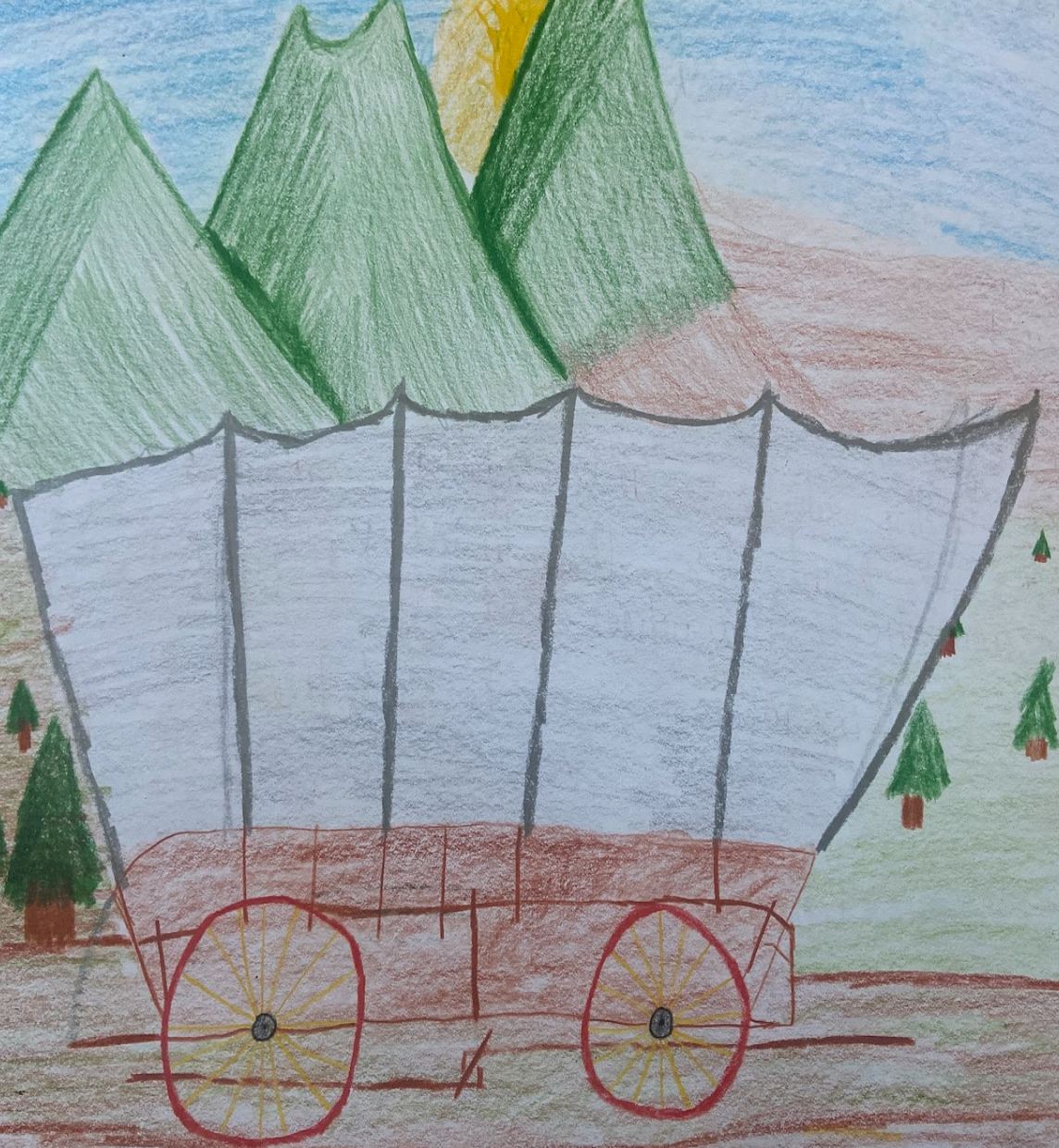
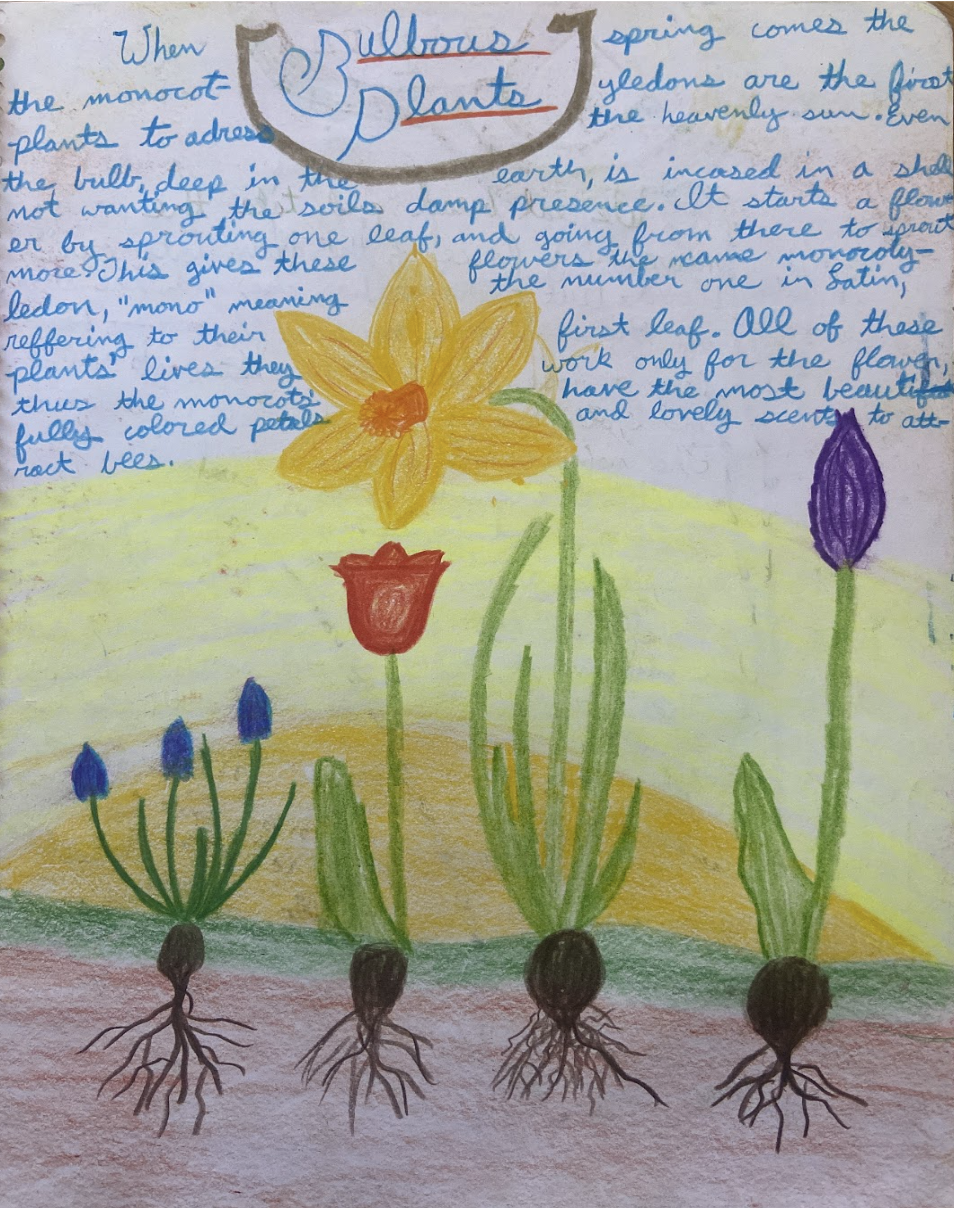
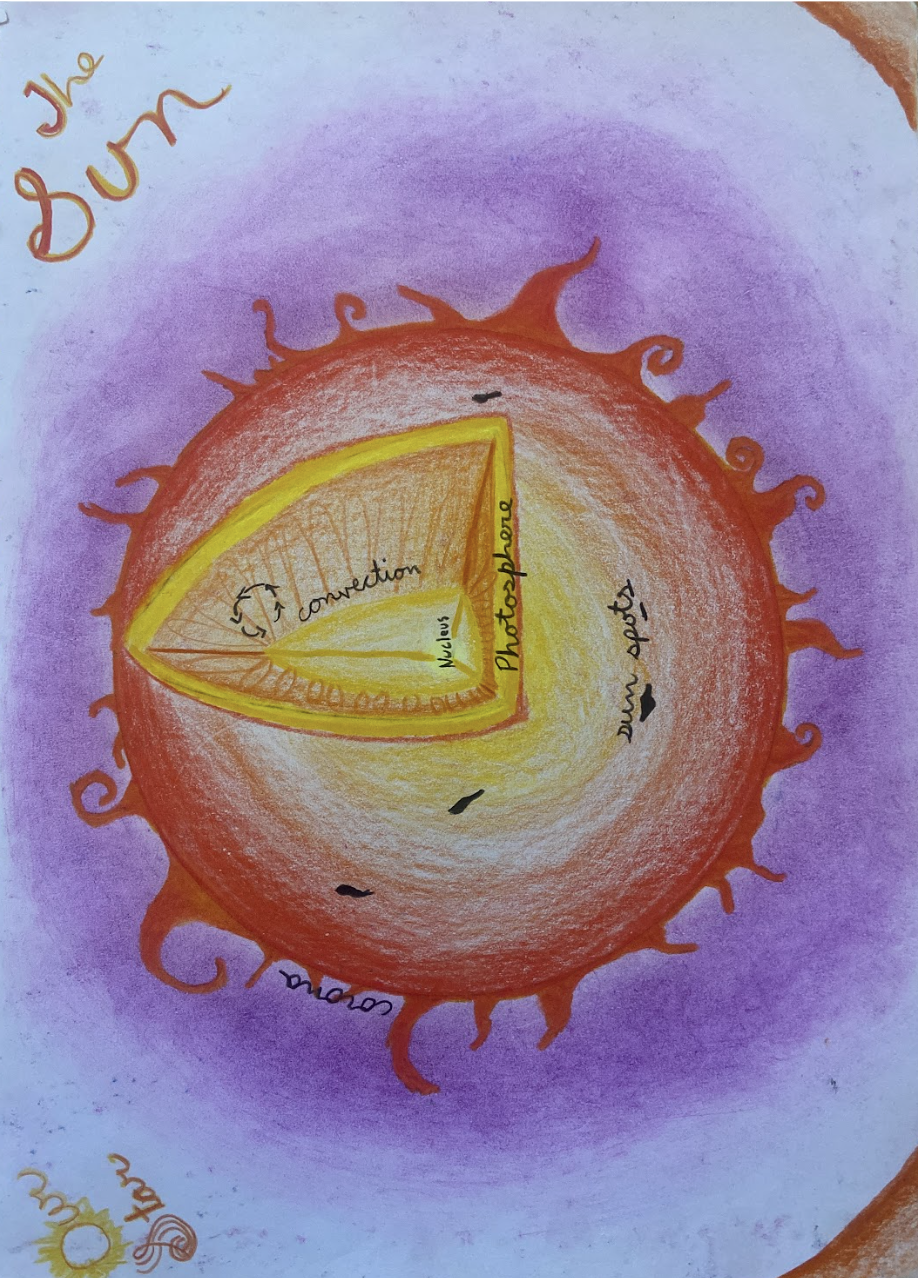
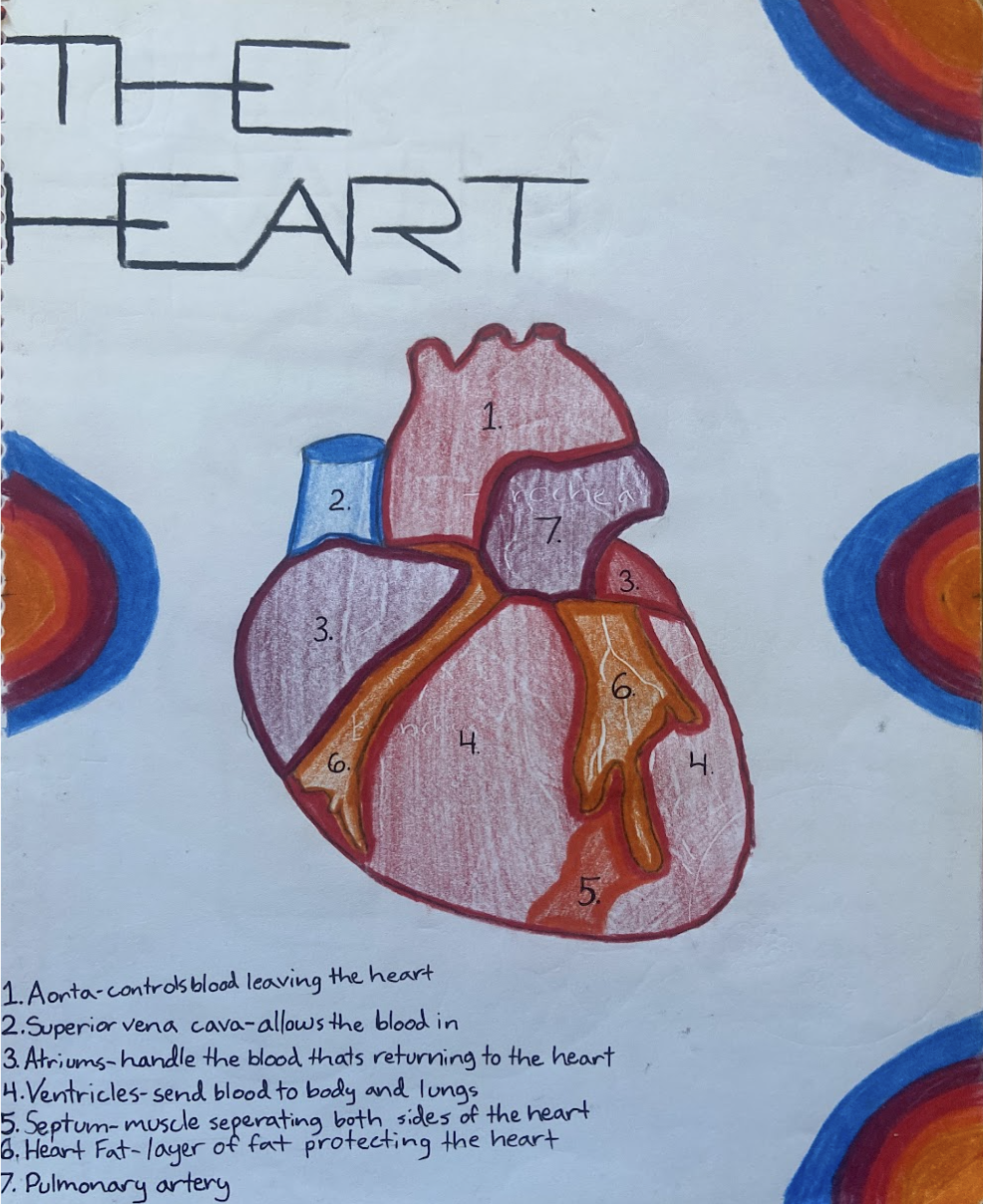
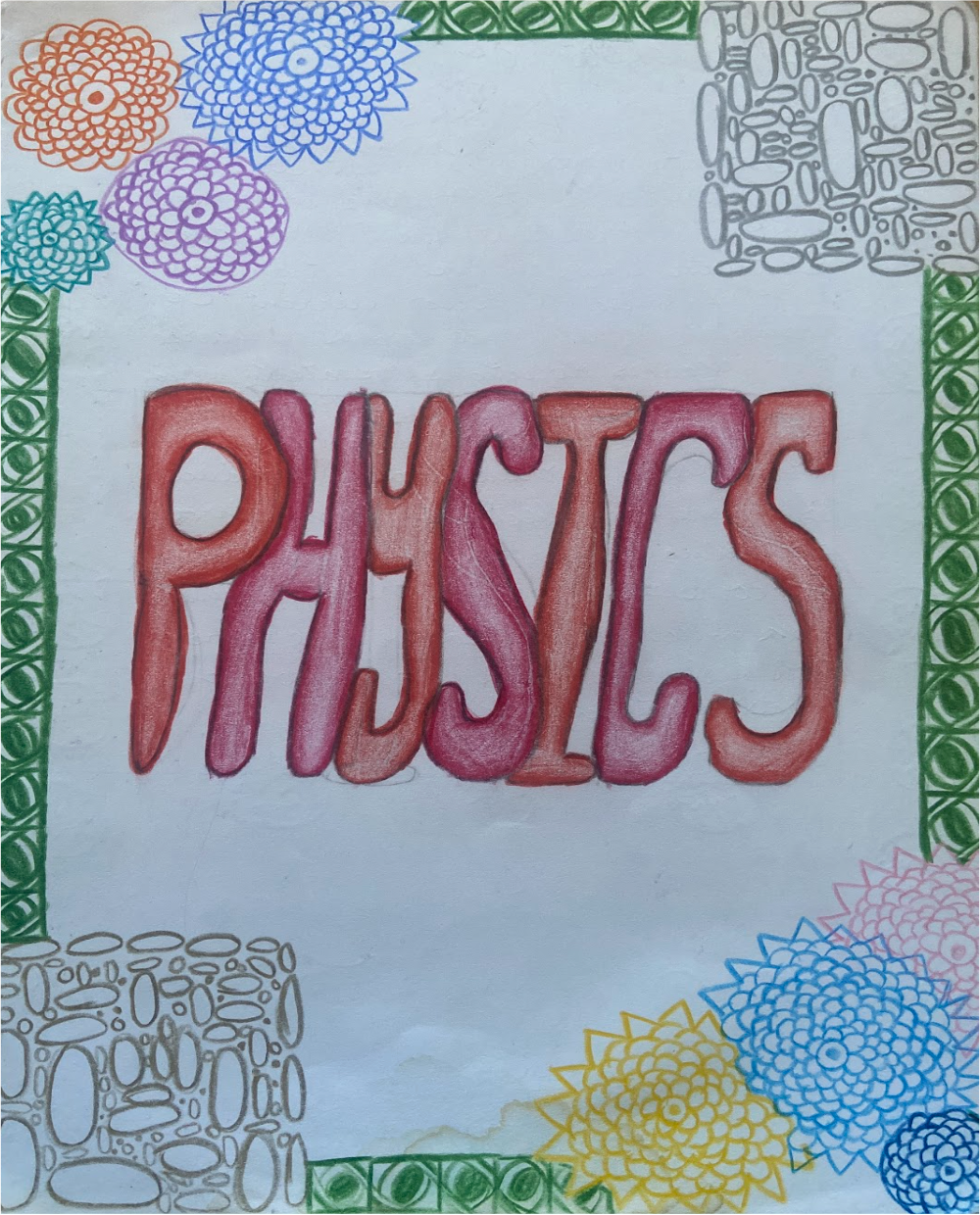
Page examples from my Main Lesson Book:
Image 1: Grade 4, Oregon Trail
Image 2: Grade 5, Botany
Image 3: Grade 6, Astronomy
Image 4: Grade 7, Anatomy and Physiology
Image 5: Grade 8, Physics
HISTORY AND PHILOSOPHY:
For the many with no inkling as to what “Waldorf” means, it is a pedagogy created by the Austrian philosopher and activist Rudolph Steiner, a man who was “particularly interested in matching school activities with children’s learning tendencies at different points in childhood.” (Jewett, 2026). He formed his model in opposition to the traditional German style of education in the 1910s, which tended to be teacher-focused, stationary, and rigid. Steiner designed his schools to allow children from different backgrounds to develop the tools necessary to cope with complex challenges in a post-industrial world. His thesis was, "As cultures become more technologically advanced, human beings need to become more conscious of their capacity to become fully human, if they are to resist competing pressures toward dehumanization.” (Easton, 1997). This pedagogy is over a century old, but with the growing prevalence of AI and its diminishment of human creativity, the applicability and importance of the Waldorf curriculum are more relevant than ever before.
CURRICULUM:
So what does Waldorf curriculum encompass that sets it apart from traditional education? Steiner developed his curriculum based on his model of stages of childhood development. From birth to the age of 7, he based his curriculum around learning through imitation and empathy. The preschool curriculum is centered around hands-on, interactive lifestyle activities, such as baking, gardening, art, and stimulating imagination through playing pretend.
Coursework Activities:
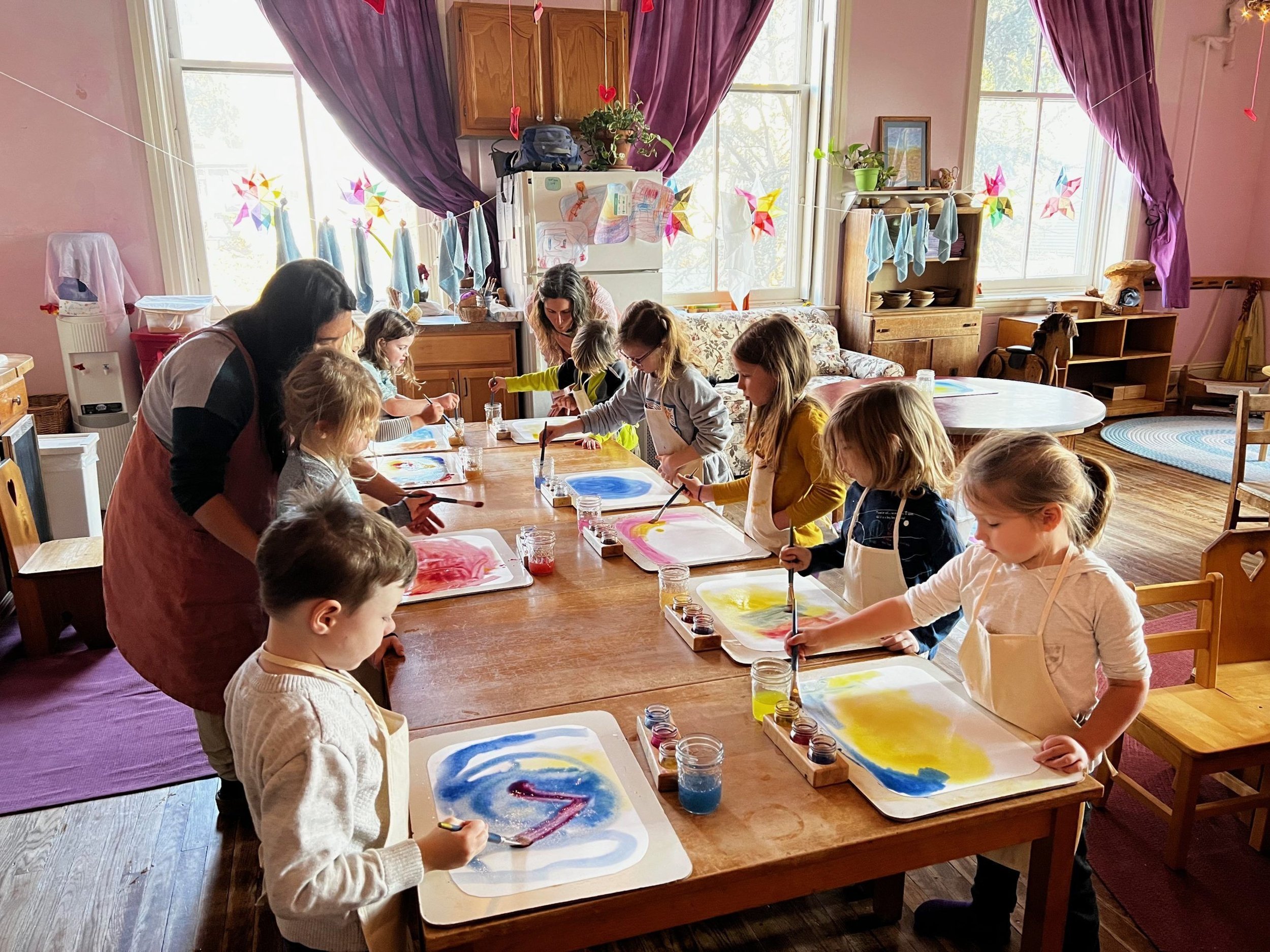
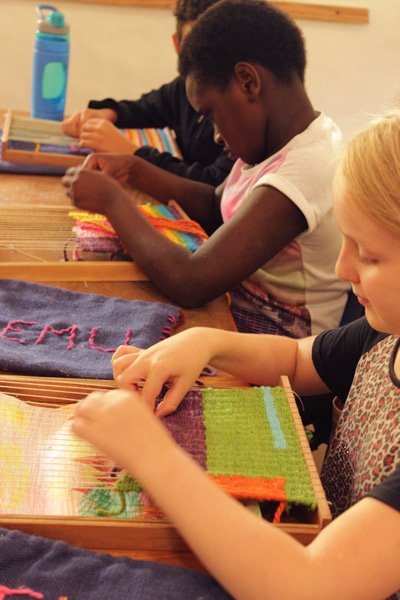
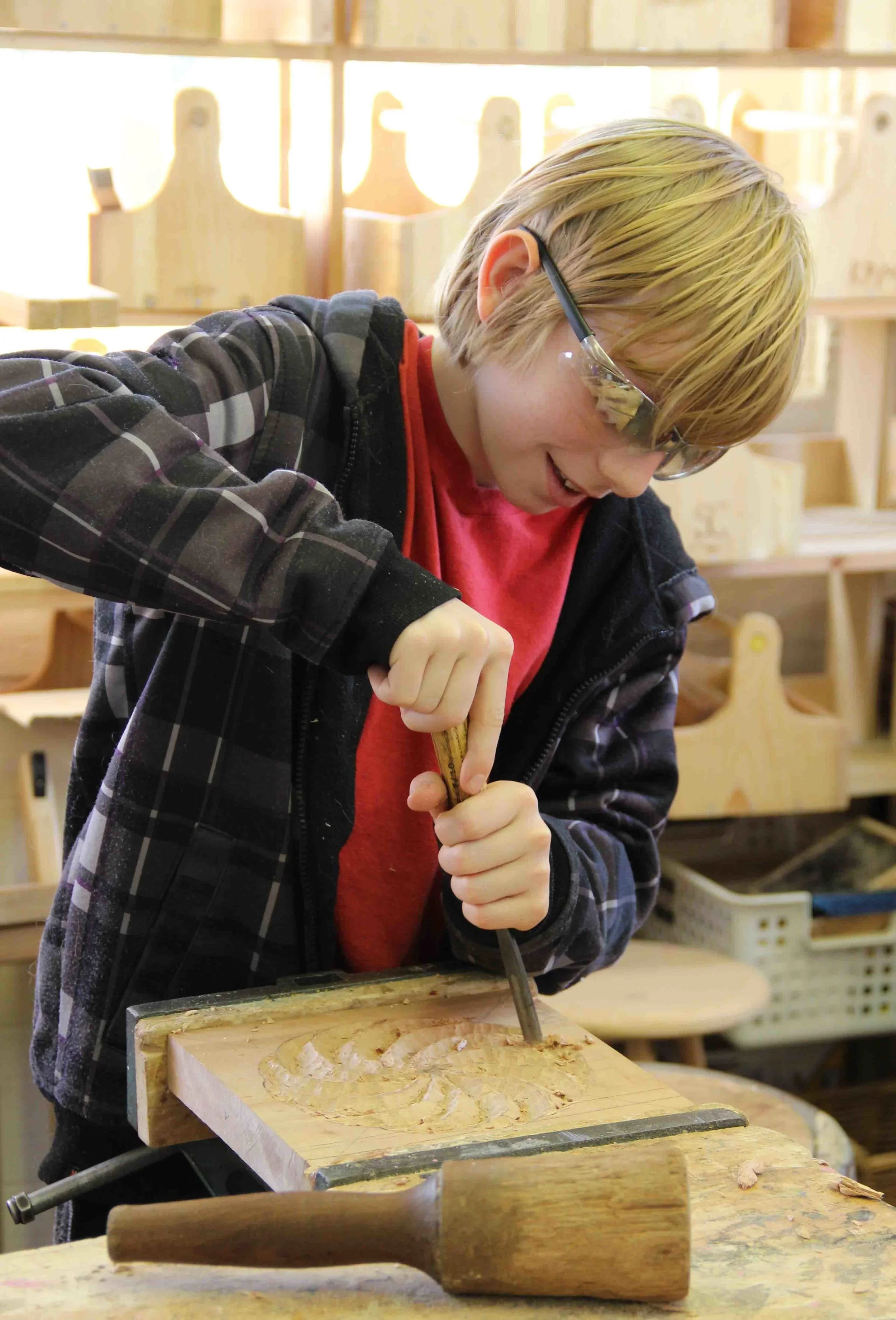
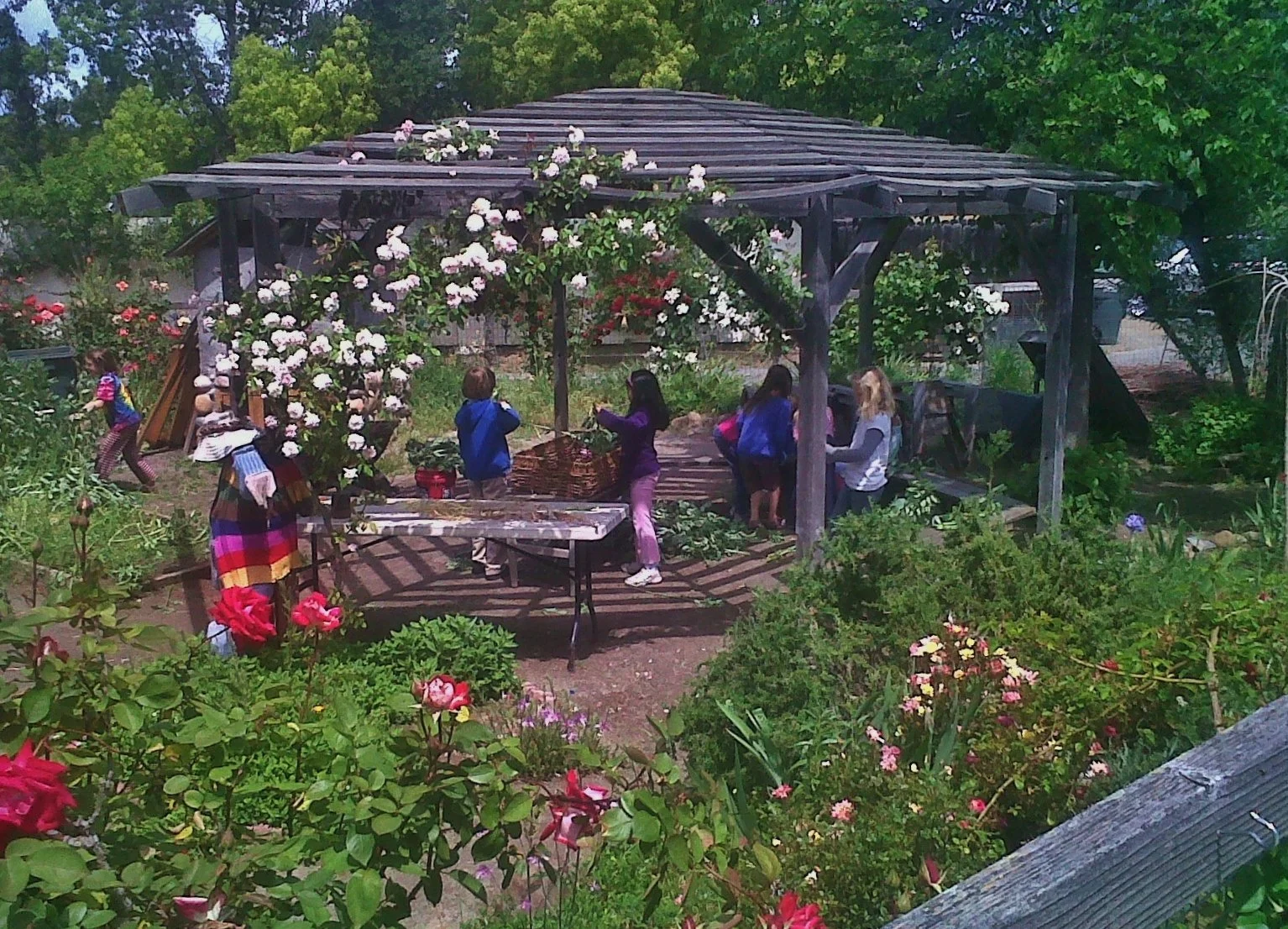
In ages 7 through 12, Steiner's teaching model concentrates on movement and images, with a focus on studying “visual and dramatic arts, movement, music, and foreign languages” (Jewett, 2026). Throughout elementary school, these activities value and cultivate children’s creativity and imagination by highlighting it in their mainstream education. While art, music, and theater are seen as electives in many traditional education settings—and the first to go when budget is scarce—Waldorf schools place equal emphasis on the arts, and ultimately fuse them with the subjects of math, reading, writing, and science inside of a Main Lesson Book. The Main Lesson topics were diverse and universal. A list of the topics we focused on in my fifth grade class were as follows: Mythology and History of the Middle East, Botany, Geometry, Native American Folklore and US History, Decimals, Greek Mythology and History, and Theater.
An adolescent's high school years begin the third stage of Steiner's development model, marked by an unfolding capacity for abstract thinking and combining interdisciplinary ideas to pursue their own personal passions. During this stage, the form in which teachers present material is honed in and the students engage in reports and projects. (Easton 1997).
LOOKING FORWARDS…
So does the value of Waldorf education still hold true today? I would argue it holds more importance than ever. As screens infiltrate the lives of children earlier and earlier, it becomes increasingly necessary to cultivate their development as holistic and integrated human beings by allowing them to find passion in engaging with the world and each other. With physical activities, time spent outdoors, and by-hand creation, children lay their roots in the tangible world, balancing the digitalization and mechanization overtaking many Western societies. As AI exacerbates our convenience economy and replaces human intelligence, the focus on ingenuity and original creation juxtaposes this cultural shift by stimulating human flourishing. We need to continue to teach kids that the magic of education lies in the journey and not the destination, in the effort and work to find the answer and not just the answer itself. Experiencing Waldorf education laid that foundation for me, and as accessibility to alternative education spreads, I hope that it will continue to nurture new generations of creative, interdisciplinary, and passionate adolescents.
References:
Easton, F. (1997). Educating the Whole Child, “Head, Heart, and Hands”: Learning from the Waldorf Experience. Theory Into Practice, 36(2), 87–94. http://www.jstor.org/stable/1477378
Jewett, P.C. (2026, January 9). Waldorf school. Encyclopedia Britannica. https://www.britannica.com/topic/Waldorf-school
Images:
https://school.fazerparaaprender.am.gov.br/en/waldorf-school-meaning.html
https://thewaldorfschool.org/handwork-woodwork
https://waldorfschoolgardens.com/
https://www.waldorfconstantia.org.za/classes/class-3/class-3-handwork-1/

About the author: Ocean Demmin-Ferneau is a sophomore majoring in Psychology and minoring in Spanish and Dance. She loves anything outdoors—whether it’s backpacking or rafting or skiing or setting up hammocks by the Willamette with her friends, playing guitar, and any art but especially watercolors. She loves conversations about anything, find her on instagram @ocean.demmin.ferneau and start one!