
Fan Edits Do It Better: The Shift in Film Advertising
Have you ever watched a 30 second TikTok that somehow hit harder than the actual trailer? Maybe it’s the dinosaur in Jurassic World being abandoned on the dock of a burning island, set to Gracie Abrams’ “I Love You, I’m Sorry.” Or it could be Bella and Edward’s entire supernatural love story compressed into Sabrina Carpenter’s “My Man on Willpower.” A single scene, a slowed-down glance, a character's sacrifice. Snapshots of key moments paired with a pop anthem holds power in film advertising, even when they’re edited by a fan on an old iPhone.
What are fan edits?
Fan edits are fast-cut video clips layered with music and effects. They are constantly circulating on social media platforms like TikTok and Instagram. These edits are created by people who consider themselves fans and are passionate about sharing their creative vision of certain content. In film, these short video montages use a selection of existing scenes to reimagine a story by building emotion. This form of creative expression also actively works to recontextualize and help an audience process elements of a story in a way that sheds light on new perspectives.
These edits have become an influential way to both promote new projects and bring attention to ones that were released years ago. With endless ways to reimagine a film, social media’s quick engagement, and algorithms that consistently support viral content, fan edits have started to become more effective than official film promotions for Gen Z audiences.
A Rundown of Film Advertising
Before I begin my spiel about how fan edits have shifted film advertising, I’m going to give a quick overview of its evolution. Before trailers were introduced, films relied on static, local promotional tactics. From around the 1900s to 1920s, methods included vaudeville-style handbills, illustrated movie posters, lobby cards, and newspaper ads. In the 1930s and 1950s, an emphasis on celebrity appeal grew. Production studios maximized this appeal through strategies involving promotional photoshoots, fan magazines, and radio interviews. The rise of television in the 1960s to 1980s brought with it more competition. Therefore, commercial spots and refined trailers were crucial in fueling excitement about new projects. In the 1980s to 2000s, blockbuster marketing came onto the scene. Production studios began steering away from mass-media approaches and into targeted campaigns based on demographics and genre. Strategic partnerships like product-placement deals and celebrity endorsements cropped up more and more. Film advertising from the 2000s to now is defined by its digital influence. Social media has opened doors for more direct interaction between film and audiences. Although traditional methods are still in play, connecting with an audience through content creation like behind-the-scenes videos and following online trends is valuable for both visibility and engagement.
Fan Edits as Official Advertising
On November 20th, 2025, the official teaser trailer for The Hunger Games: Sunrise on the Reaping was released. Naturally, since there hadn’t been a formal announcement, I received this news via TikTok. Interestingly, however, it also wasn’t from the official teaser. Instead, it was from an edit of clips I hadn’t seen before, set to “The Winner Takes it All” by ABBA.
The same day, I came across an edit from this teaser which involved saturated, fast-paced clips mixed with film dialogue and the trending audio “Love Me” by JMSN. As I went to share this edit with my friend, I noticed a blue checkmark next to the account's username. It was posted by Lionsgate, one of the world's largest entertainment companies. This made me feel exposed. How did they manage to blend into my feed? For the first time, I realized that films aren't reliant on polished, studio-controlled advertising. Instead, they’ve seen the traction that fan edits were gaining from online audiences and decided to follow suit.
In the Variety article, “Why Lionsgate Hired TikTok Fan Editors to Market Movies,” reporter Ethan Shanfeld explained how Lionsgate hired around 15 editors from TikTok. They were essentially tasked to continue making their same type of fan edit content – but this time, for a paycheck. He also interviewed Briana McElroy, the head of worldwide digital marketing for Lionsgate Film. McElroy revealed that the goal of this hiring decision was not only to drive revenue, but also to build and sustain a community.
The Secret to Success
So what makes these edits more effective for films than traditional advertising?
Gen Z resonates with content that they emotionally connect to, especially if it happens quickly. When you take away the focal point of trying to sell a film to an audience, it opens space that helps capture an audience's attention through true storytelling. Fan edits are fueled by passion within a fandom. They’re created by fans for fans, not by marketers for consumers. They build genuine excitement around a project by emphasizing heroic moments, hinting at possible connections between characters or raising new theories. As simplistic as it seems, the practice of editing scenes with popular songs and highlighting specific lyrics holds power in its ability to draw in audiences. Fan edits aren't trying to sell you on a movie. They help you process it through shared language, emotion, and enthusiasm.
Whether it's a vampire love story framed as a messy situationship, or the loss of a fictional brachiosaurus positioned as the ultimate heartbreak, fan edits undoubtedly show the effectiveness of authentic connection within online communities. I can’t remember the last movie trailer that made me jump up and order a ticket, but I do remember the 30 second TikTok that did.
Sources:
https://variety.com/2025/film/news/lionsgate-tiktok-fan-edits-1236551825/
https://divinemarketinggroup.com/blog/2024/05/13/rewinding-on-film-marketing-history/
https://www.nytimes.com/2023/10/25/style/bottoms-fan-edits.html
About the Author
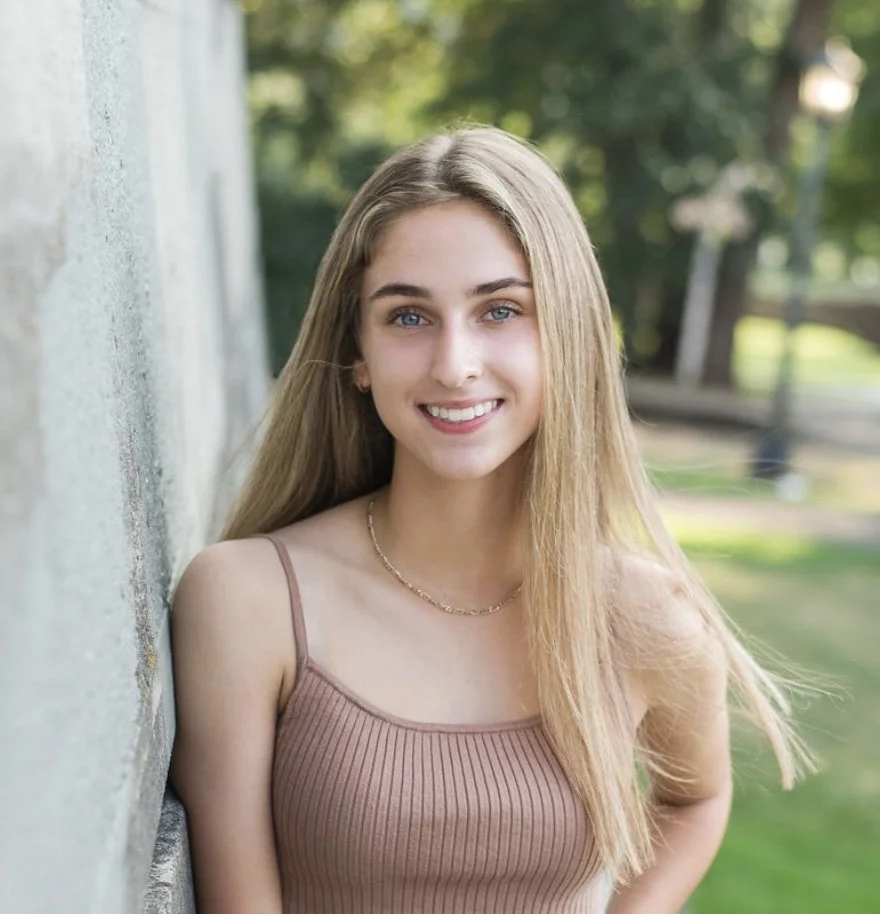
Sadie is a senior at the University of Oregon majoring in advertising with a minor in sports business. Her hometown is Beaverton, Oregon. She enjoys listening to Tate McRae, making collages, and watching reality tv with her friends. She is interested in topics about pop culture and brand strategy.