
Decentering Our Minds: Bridging the Separation of Body and Brain in Western Society
The music stopped, the routine ended, and we all collapsed onto the floor gasping for breath. My dance team had run our state competition routine full-out 10 times in a row, and while our bodies were screaming at us to rest, to drink water, to be careful, our coach was asserting that this was the moment for mind over matter. As a girl ran to the nearest trash can and emptied her stomach in exhaustion, we were told this was proof she was working hard. This set the standard. The ultimate way to show our strength was to silence the screams of our abused bodies. To succeed was to assert absolute control over our minds and numb our somatic senses.
Tuning out the frequency of our somatic experience is celebrated within and deeply integrated into Western society. We are encouraged to allow our brains to dictate and override our bodies’ needs, creating both a disconnect between the mental and the physical and a mistrust of our bodily intuition. Whether we look at the doctrine of diet culture or the burnout and constant pressure of the capitalist hustle and grind, this divide is clearly illuminated.
But what if we tuned back into our body’s frequency? What if we found mental respite in our physical experience? What if we restored our connection to our gut feelings?
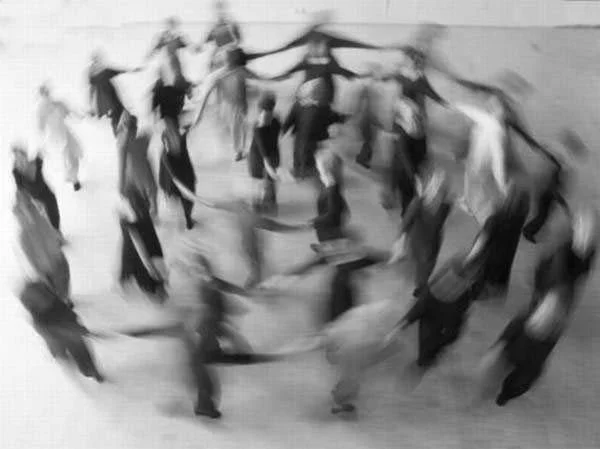
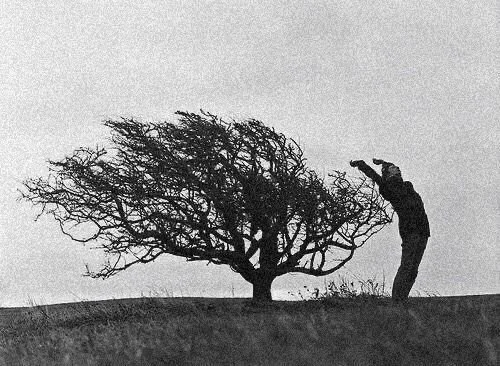
Along with countless dancers around me, I first lost touch with my body’s frequency when my changing body was deemed unworthy of ballet, and I found it was within my mind’s control to grow slimmer. I fell into the dangerous trap of calorie counting, intermittent fasting, and restriction. When my body told me it was hungry, I chose to disregard it, rendering it meaningless. I sought help after only 4 months of restriction, but recovery was painstakingly slow. Without realizing it, I had lost touch with what true hunger felt like, or what it felt like to be satiated and satisfied. I had convinced myself my body’s cues were lying to me. I felt like my mind could never trust my somatic instincts again.
Myriads of women I know, whether dancers or simply victims of our judgemental, appearance-obsessed society, have succumbed to similar fates, losing touch with the instinct of listening to their bodies. Suddenly, the simple act of eating when hungry and stopping when full is impossible. And the solutions flooding us through our screens are more methods of mental control. Tracking protein, tracking macros, counting steps. Tracking nutrition can be beneficial for some—and balanced habits are important to maintain—but replacing physiological sensations with digital applications to determine when and what to eat can foster a neverending cycle of distrust between the body and the mind. This becomes especially damaging when the impetus is societal scrutiny and not personal growth. Yet, abandoning corporeal intuition for mental and technological calculation may feel comfortably familiar, as that is the key to thriving in the hustle and grind culture of capitalism.
Living in the throes of capitalism, we are consumed in an omnipresent “grind culture.” As a student, there are neverending assignments to complete, appointments to schedule, essays to write, and internships and scholarships to apply for. These are the things with which we measure our worth. Yet these are societal fabrications—utterly intangible. And, aside from the frantic typing of fingers, all are activities isolated within the mind. Consumed by the clock of a neverending work day, we are encouraged to spend our lives living in our heads, without a moment of silence to reestablish connection to our bodies. In many cases, we put our bodies on mute until they are screaming with thirst or hunger, or collapsing with exhaustion. But what could we cultivate if we tuned back in? How can we listen again?
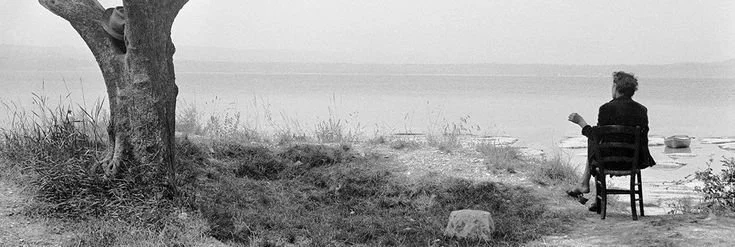
A method that has worked for me has been silence. This does not require rigorous periods of meditation, or weekend retreats into the woods. All it takes is cultivating moments of solitude and quiet throughout a day. This can be as simple as taking a few breaths and noticing your physical presence, your senses.
Another tool is physical movement, which helps you get out of your head, alleviate mental noise, and experience your body without dissecting it. For me, this is dance, running, or even playing the guitar or painting—anything that cultivates presence in the moment, presence in a physical sensation. And the more often you can practice presence and somatic awareness, the easier it becomes to tune into the frequency of your body at all times.
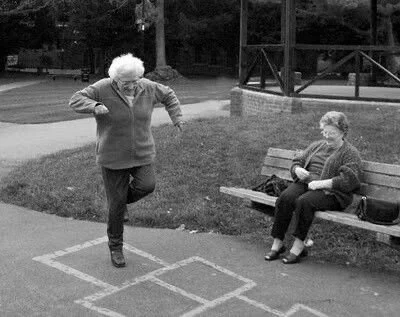
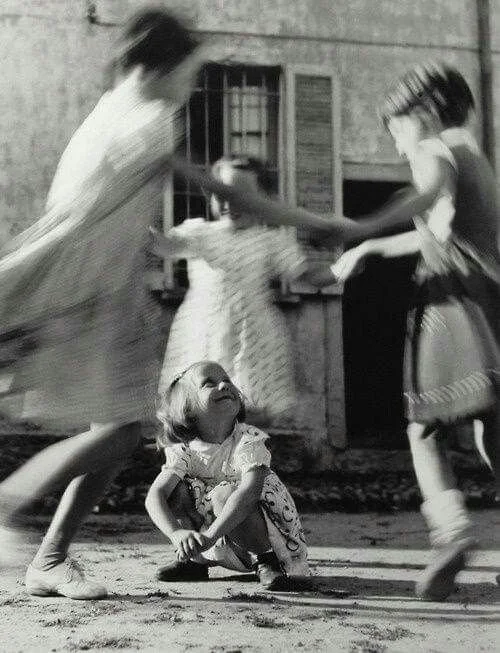
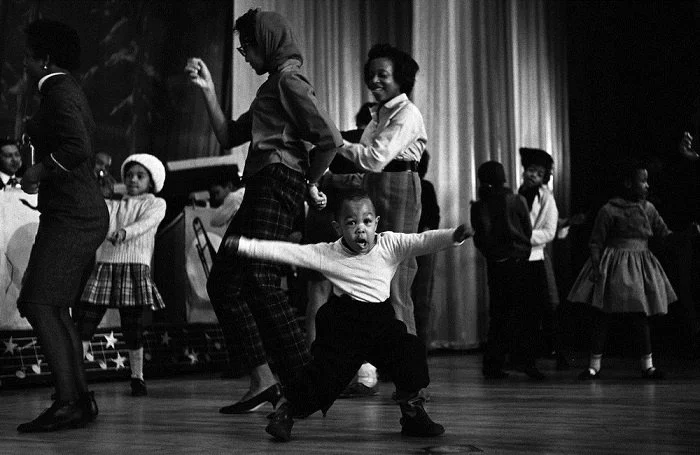
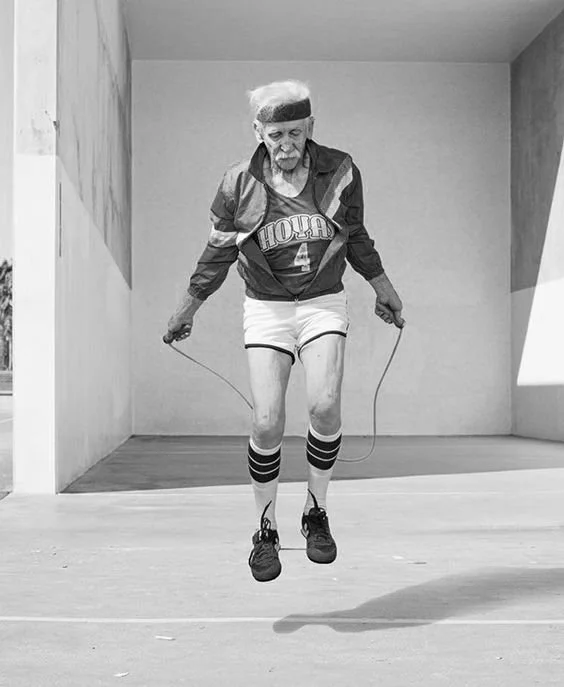
So why does this matter? What can we gain from giving our bodies and minds equal control and attention? Many individuals are stuck in an endless cycle of sprinting into burnout, falling behind while in recovery, hurtling to catch up, and collapsing back into burnout. Understanding our body’s limits and regularly tending to the garden of our body’s needs is self care that cultivates sustainable energy and balance, diminishing the likelihood of burnout.
This sense of awareness permeates throughout your life. You can feel its influence in your empathic presence in social conversation and emotional intelligence, or your sharpened focus in classes and on tasks. This presence surfaces an increased intuition and mysterious “gut feelings,” of which we can’t always identify the source, yet tend to lead us to the right places.
By dismantling the dictatorship of our authoritarian brains over our bodies that is encouraged by countless aspects of Western society, we claim the opportunity to choose between following our heads or following our hearts, deepening our presence within the tangible world.
Sources:
https://www.pinterest.com/pin/344384702780424982/
https://www.pinterest.com/pin/344384702780424985/
https://www.pinterest.com/pin/421016265187883196/
https://www.pinterest.com/pin/608478599694249214/
https://www.pinterest.com/pin/117023290318935111/
https://www.pinterest.com/pin/344384702780425057/
https://www.pinterest.com/pin/32088216099028690/
About the author:
Ocean Demmin-Ferneau is a sophomore majoring in Psychology and minoring in Spanish and Dance. She loves anything outdoors—whether it’s backpacking or rafting or skiing or setting up hammocks by the Willamette with her friends, playing guitar, and any art but especially watercolors. She loves conversations about anything, find her on instagram @ocean.demmin.ferneau and start one!