
Super Bowl Ads: A New Dystopia
The Super Bowl is known in American culture as the biggest live event of the year. It attracts millions of viewers annually. With an audience like that, it is also known as one of the most prestigious and exclusive advertising opportunities in the business. Over the years, Super Bowl ads have gained a unique reputation as the advertising industry’s best. It has become a competition amongst companies for who can get the biggest celebrity appearances or the most wacky and creative idea to generate buzz online. Oftentimes, these ads are for food and drink brands, cars, and large insurance or healthcare firms.
Not so much this year.
When fans tuned in for the 2026 Super Bowl, they were bombarded with ads for AI, GLP-1s (Ozempic), and gambling. What was once a fun American tradition had a very different tone this year, and many were quick to point it out online. According to the New York Times, nearly 25% of all ads shown during the event were for AI companies, and this does not even count the brands who clearly used AI to create their ads.
AI has become an exhausted topic. Recently, it’s felt impossible to go a day without hearing about its heavy influence on every little aspect of society, but its acceleration of capitalism and the “dystopia” we feared seems to be becoming more and more prevalent. Most of the ads for different AI models shared the same sentiment: embrace AI and learn to love it. Considering it has sparked a new era of distrust and lack of fundamental education in our schools, has been used to cut out artists from creative projects, and is even threatening a plethora of tech jobs, this sentiment is a hard sell for many viewers.
Similarly, GLP-1s, which have been at the center of celebrity culture for the past several years, were heavily featured at the Super Bowl. GLP-1s no longer want to be seen as exclusive to celebrities – they want to be for everyone. Aside from the cultural implications, this trend has contributed to a shortage of GLP-1s for those with diabetes as a result since the creation of this weight-loss fad, hurting those who rely on them for survival. The push for artificial weight loss using one of America’s most beloved athletes was not something that the general public took kindly to. Women in sports have been heavily criticized for their bodies not being “feminine enough” or fitting a narrow beauty standard. Many felt that by making an ad for Ro, a GLP-1 weight loss medication, Serena Williams was promoting a product that furthered this narrative instead body confidence and athletic ability.
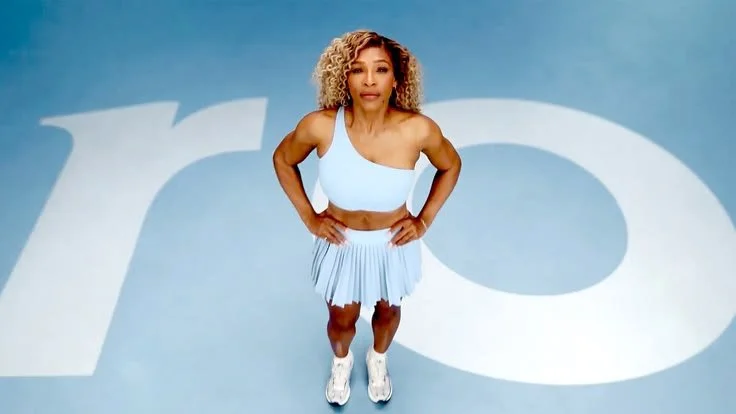
Serena Williams for Ro Weight Loss (Pinterest)
In another ad, boxing legend Mike Tyson was featured in a bizarre ad for the Make America Healthy Again (MAHA) Alliance, pushing the idea that processed food is killing us. It featured Mike Tyson calling his old self “fat and nasty,” saying that America has the most “obese, fudgy people.” The oddly vulgar way to advertise their organization drew heaps of criticism from Super Bowl viewers. While the message “Eat Real Food” is a generally positive one, encouraging people to eat less processed foods, the ad was offputting and aggressive. However, it drew a lot of media buzz and may have purposefully used shock value to garner attention.
Another major category that viewers were saddened to see being pushed so heavily was gambling. Sports gambling has been a rapidly growing industry due to the changes in state legislation that are starting to legalize it. Apps such as Fanduel and Draft Kings have been at the forefront of this new market, and have drawn lots of criticism. Notably, gambling has always been a divisive topic, with some finding it predatory and dangerous. Gambling addictions have been a huge concern for this new wave of sports betting since it has made gambling so easily accessible at all times. The ethics of this increase in accessibility have been questioned and many are not thrilled to have it so heavily advertised.
Super Bowl ads have always done a great job of reflecting what is popular in society, featuring celebrities, topics, and themes that mirror the current climate. When audiences saw the onslaught of dystopian themes and ads promoting products that felt immoral, many felt it was a true wake-up call for America. We seem to be rapidly transitioning into a society where weight loss by any means is back again and AI is being integrated into every aspect of our lives – even beloved Super Bowl ads.
Image Sources
Cover Image: https://www.pinterest.com/pin/790029959675403429/
In-Text Image: https://www.pinterest.com/pin/331436853851045869/

About the Author:
Sophia Butsch is a senior studying Business Administration and Media Studies. She was born and raised in Portland, Oregon and loves the PNW more than anything. She loves exploring topics surrounding pop culture, feminism, and the film industry.