
When the Life Update Goes Too Far: The Harms of Self-Surveillance
Picture this: you are scrolling on Youtube, perusing for your next entertaining watch. Maybe you just sunk into your couch cushions and have a yummy bowl of butter pasta in your lap, and the only thing that could possibly make this situation even better is a 10/10 new video essay from your favorite creator. Instead, your eager eyes rest on the title “MY *UNMEDICATED* REALISTIC BIRTH VLOG” accompanied by an image of an exhausted woman smiling in a hospital gown. You think, surely this can’t be real. Surely this is some sort of clickbait. Nope. After a quick search, you realize there are videos upon videos of women documenting their birth experiences for the entire world. Call me crazy, but I think it is insane that you can be sitting on your couch, scarfing down butter penne while watching a woman go through the most intense, grueling, emotionally complicated moment of her adult life.
As social media’s influence has become more and more pervasive, influencers and content creators have become more and more disturbingly comfortable sharing their intimate life moments with strangers. These online personas have constructed a narrative—or maybe an intentional strategy depending on how pessimistic you are— that intensifies their viewers’ desires to know everything there is about the influencer’s life. But doesn’t that dull the intimacy of such grand life milestones? If a camera follows you in those moments, then substantial expectations, pressures to maintain a certain appearance, and other distractions do too.
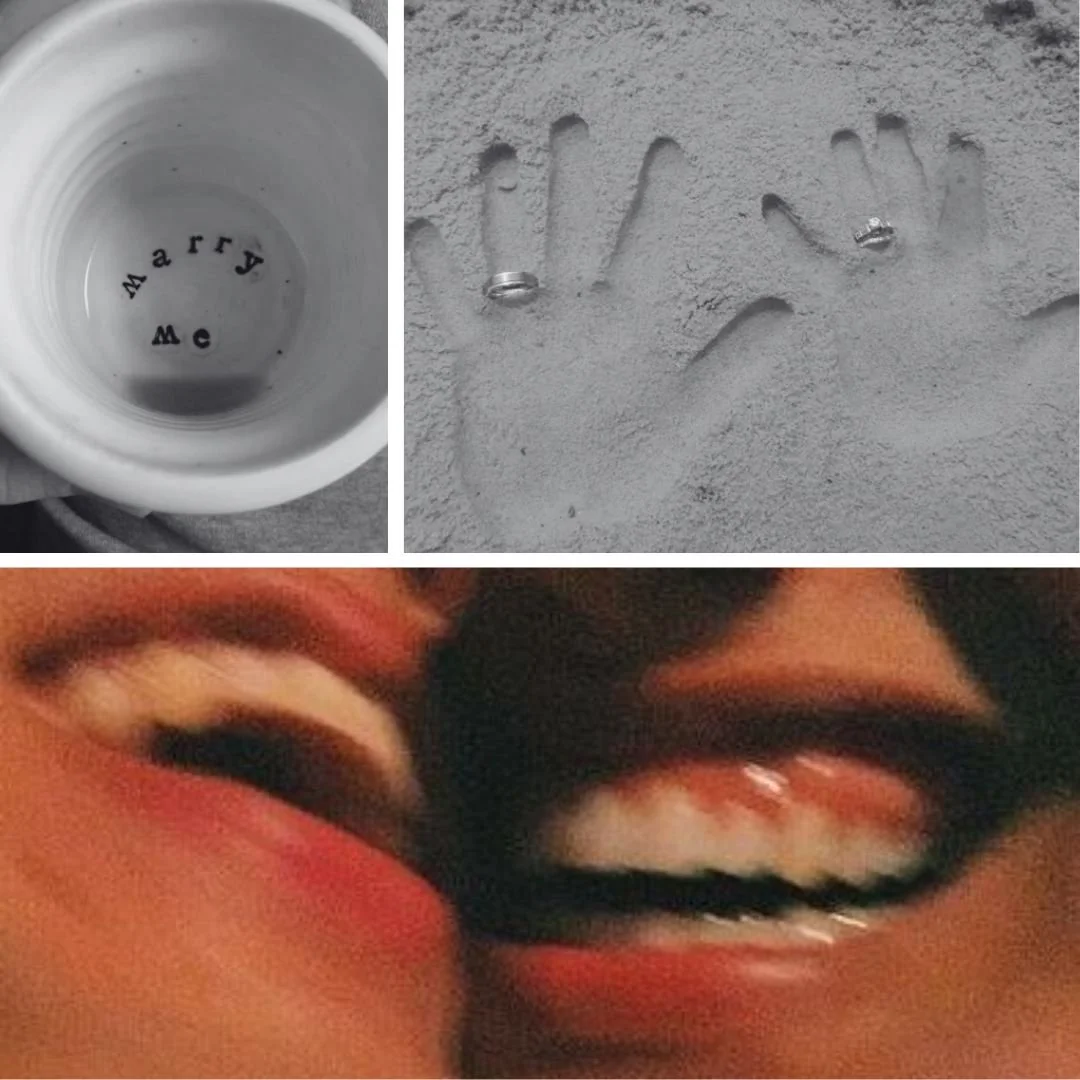
credit: Pinterest
It doesn't stop at birth vlogs though. Your favorite social media platform is chock-full of couples who film their pregnancy announcements and organize elaborate parties for gender reveals. As soon as someone whips out a camera to capture their own reaction, they actively bridge their internal and external lives. The private becomes the public, and boundaries become blurred. They are no longer fully embodying that special moment because it is being shared with an audience who, in reality, know nothing about that person’s life. Even more so, these monumental events often come with emotionally charged backgrounds that are even more deeply personal. Maybe that influencer has had to undergo rounds of IVF treatment. Maybe she has lost a child before and the moment is bittersweet. Maybe she isn’t ready to care for a child, and the reveal isn’t a happy one for her. Now, that woman, who has had innately complex experiences leading up to the six second video you see on your screen, no longer has the privilege of processing in private. It’s this erosion of privacy that blurs the lines between your inner self’s unfiltered emotions and your outer self’s social presentation. Authenticity is suddenly aestheticized and the significance of the moment is tarnished.
Consider another example: the obsession over having the perfect white dress and the carefully rehearsed shocked (but not too shocked) expression for engagements. People have this infatuation of being prepared for things that might actually be more meaningful as a surprise. It’s disheartening to hear stories of people being upset that their dramatic gasp or pretend shock didn’t look aesthetically pleasing to them when they got their proposal photos back. Hot take: you don’t actually have to look cute while you are crying from pure happiness. God forbid your face express genuine, unrefined joy when your partner declares they will love you forever! Your hair doesn’t need a blow out while you are giving birth, and your nails don’t need a french tip for a ring to sit on your finger. The obsession of having your appearance “prepared” robs you of the magic. It subtracts from the moment’s purpose—something arguably much more important than your nail manicure. Not to mention, it especially exacerbates existing pressures put on women to remain composed and adhere to what society demands as “beautiful.” Who gives a **** if I laugh like a hyena or “ugly” cry? We don’t need to perform private moments; we need to embody them.
Don’t get me wrong, I am not anti-sharing all together. Social media can actually really bring people together beautifully. It has opened up doors that were previously shut with shame, and it has encouraged our generation to care outwardly. But when you think about how something looks while it's happening, are you even fully inside the moment itself? I don’t think so. This kind of perpetual self-surveillance has larger implications, too. In a world where privacy is increasingly harder to come by, I think we should hold on tight to what is ours and to the experiences that make us different from the next person. While we might be gaining some kind of memory preservation through recording life’s glorious moments, we are losing the spontaneity, imperfection, and rawness that make it truly authentic. The next time you press record, maybe ask yourself who the moment belongs to. Maybe some moments aren’t meant to be media content. Maybe they are meant to be kept.

About the author: Hannah Dean is a sophomore majoring in English and minoring in dance at the University of Oregon. She is from the Big Island of Hawaii. She enjoys long conversations with her best friends, reading poetry she doesn’t understand, making bad photo art, camping, drinking ginger lemon honey tea, and laughing way too much while doing all those things.
You can find Hannah on Instagram at @hannahh.deannn if you want to see her bad photo art or reach out and be best friends!