
Ian MacKaye grew up in Washington, D.C., and got into punk in the late seventies. His first band, The Teen Idles, didn't last long, but it got things going. When that ended, he started Minor Threat.
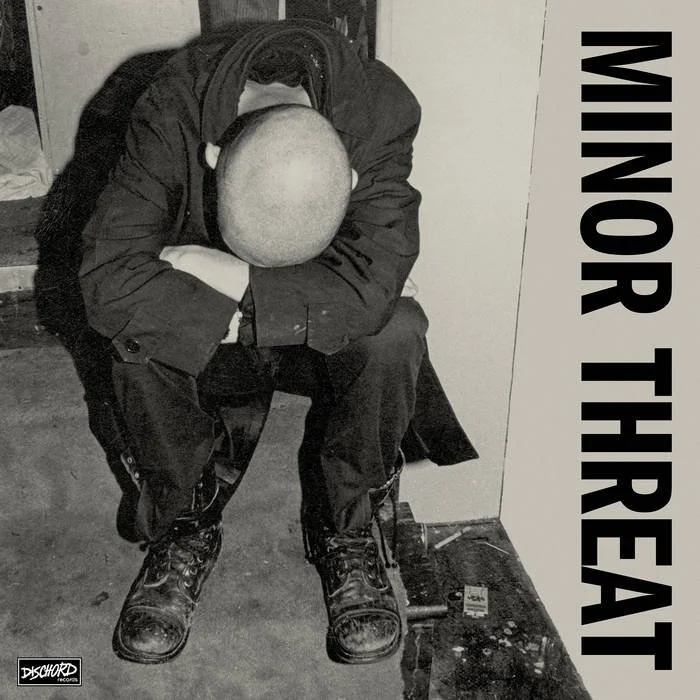
Minor Threat’s 1984 album cover
Minor Threat was fast and loud, as punk is intended to be. Their influential and intense songwriting helped shape the sound of hardcore punk, not only at the time, but constantly in the everlasting D.I.Y. scene. The biggest thing people hung onto was the straight edge ideology. No drinking, no drugs, no checking out. This changed punk music, bringing in a scene emphasizing the importance of self-care and control. For many people, this made hardcore punk accessible, creating a scene based around taking care of each other and yourself, no matter your walk of life or your vices. MacKaye wrote the term “straight edge” almost as a throwaway line, but it turned into an important subculture within the punk/D.I.Y. scene that's still around today. Minor Threat broke up in 1983. A few years later, he started Fugazi.

credit: Dischord Records
Fugazi was different. The music itself pulled from post-punk and hardcore, but didn't really fit either; it was more rhythmic, more dynamic, and a lot more patient than what MacKaye had done before. But what made them stick out from the norm was how they ran the band. Five-dollar shows, every time, no exceptions. They turned down every major label that reached out. No merch tables. No music videos. Everything came out on Dischord Records, which MacKaye had been running since he was a teenager. They kept this up for sixteen years, not as a statement, just as a standard they set and held. They were able to bring together a huge fan base and a serious point of status in the music industry, without help. The truest example of the D.I.Y. mindset. They proved that musicians can succeed in the music industry while maintaining their values, without having to “sell out.” That consistency is what people in the music industry still talk about. They proved you could build a large, loyal audience using music and principles as the center point.
A lot of bands claim this independence.
Fugazi actually accomplished it.