
Figure Skating Has a New Sound
When you think of competitive figure skating, what do you see? More importantly, what do you hear?
A couple of weeks ago, my roommates and I were doing homework on our couch and decided to turn the ongoing Winter Olympics on as background noise. We landed on the men's short figure skating program. Knowing nothing about the technicalities of figure skating, we simply wanted to put something on that we could occasionally glance at. However, this intended ambience for our homework quickly turned into our computers being half closed. Our eyes drew to the screen as the first traditional instrumental soundtrack turned out to be “Another Love” by Tom Odell, seamlessly transitioning into a dramatic buildup— and it didn’t stop there. A few programs later, we were watching Kevin Aymoz skate to the electrified pop hit, “Judas” by Lady Gaga.
I grew up thinking that figure skating had a certain sound. Old instrumental music that heightened the feeling of elegance and prestige that I could never resonate with. Before this evening on the couch, figure skating had always felt distant to me. Although I was continually impressed with the skills performed, there was always an element of disconnect— the music. Now suddenly, I found myself hearing my pregame playlist echoing around an Olympic stadium. When did that happen?
In 2014, the International Skating Union updated its rules to allow single and pair figure skaters to use music with lyrics in competitions. This rule change was implemented after the Sochi 2014 Winter Olympics. Before this, figure skaters were only permitted to use instrumental music. This accounted for pieces by famous composers like Beethoven. Instrumental versions of film scores and Broadway showtunes were also common. In the years leading up to this rule change, the requirement of instrumental music began to feel out-dated. Ice dancers had been allowed to use music with lyrics for well over a decade at this point, and figure skaters had already found a gray area in this rule by using instrumental covers of pop songs.
This rule change was an effort to modernize the sports image to bring more appeal to audiences. By steering away from a strictly traditional instrumental sound, skaters now had the tools to resonate with audiences through styles and themes. Music with lyrics allows for more understandable emotional story arcs, which amplifies the artistic expression of the skater.
However, this expansion of music has led to troubles. The traditional instrumental music used in figure skating had mostly been in public-domain, meaning that the music was free to edit and use. However, with modern music and lyrics comes the legality of copyright. Now, skaters and their teams must go through a tedious legal process to secure licensing rights before competitions and broadcast events. Without proper permission and clearance of certain music, skaters risk facing legal disputes and last-minute panics when their program isn't given the rights to perform, especially during widely covered events like the Olympics. We saw this unfold with Spanish figure skater Tomas-Llorenc Guarino Sabate and his short program.
Just a couple days before the Olympics began, Sabate was informed that he wasn’t going to be able to perform the routine he’s been competing with all season. This program, which contains music from the Universal animation movie, Minions, wasn't given proper clearance and was no longer permitted to compete with. Days before hitting the world's biggest stage, he was racing against the clock for a way to perform his beloved program.
He expressed on his Instagram story that this routine was designed “to bring joy and a fun style to the ice, while complying with all of the obligatory elements and demonstrating that ice skating as a male Olympic figure skater can also be fun.” Following these Instagram statements, Universal granted the rights for this performance. Sabate was able to take the ice in his one-piece costume, which represented a yellow Minion with the iconic blue overalls, and showed audiences the creativity and connection that can be made through music.
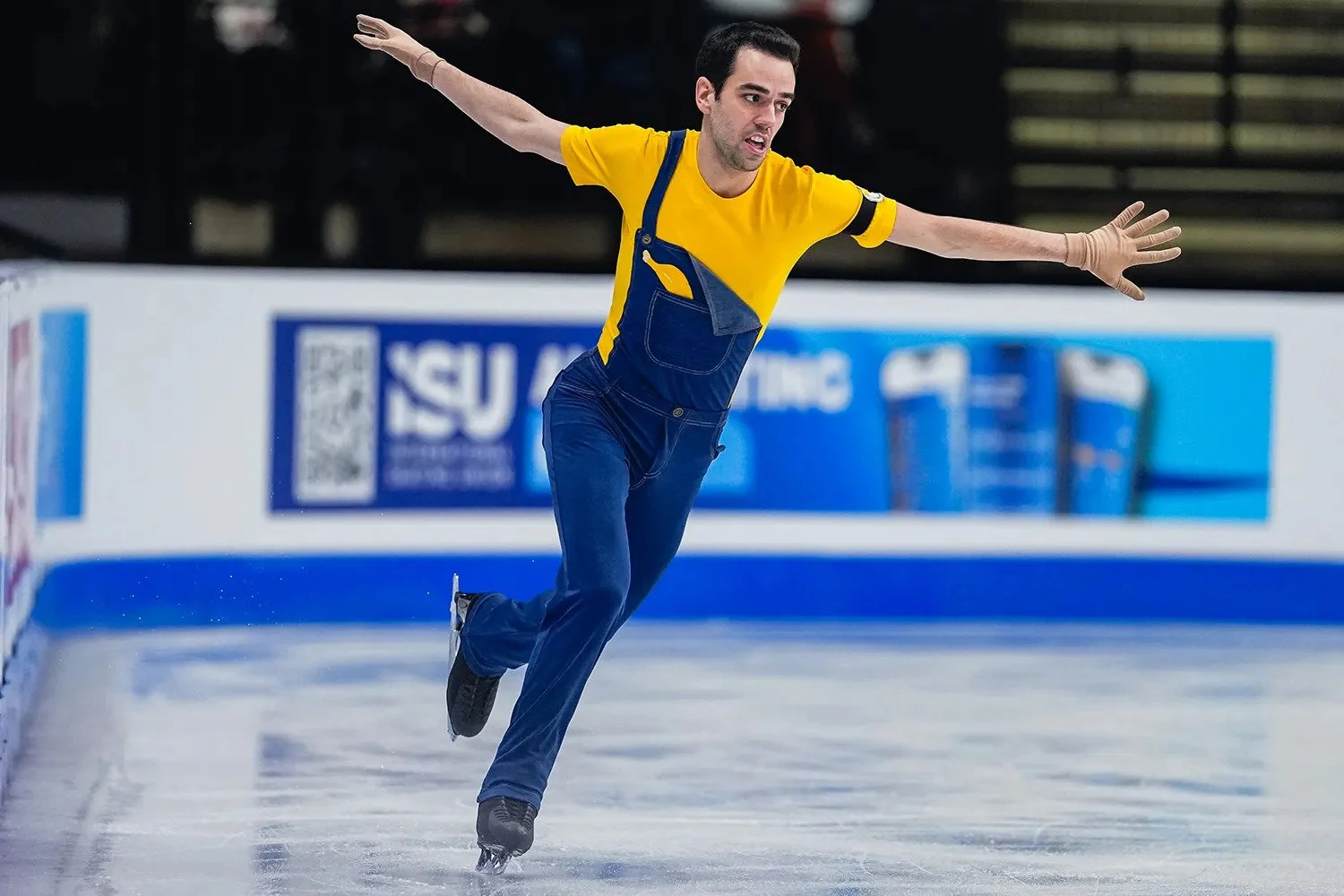
Tomas-Llorenc Guarino Sabate
As the Olympics progressed, I started seeing more traction regarding the music that skaters were using on social media. For example, American figure skater Alysa Liu, generated online buzz over her short program to the song “Promise” by Laufey. The storytelling elements of this routine expressed emotional symbolism of her relationship with figure skating and her return to the sport. At the Olympics, she was shown this video message from Laufey herself. In this message, Laufey expressed how Liu is an inspiration. Liu responded with her gratitude for the song and said, “I think it’s so cool that her art is just inspiring other art.”
Liu has been a standout at the 2026 Olympic Games, especially after winning the gold medal for her free skate to the 70’s electronic-disco song, "MacArthur Park Suite" by Donna Summer. Her passion for the sport is felt by the audience and fueled through her artistry and personalization. With the ability to choose songs that move away from the traditional sound of figure skating, Liu demonstrates how performing to music that she resonates with helps maximize her potential and ability to emotionally connect with herself and the audience. In fact, just as I was writing this blog, this video showed up on my TikTok feed of Liu skating to the viral hit “Stateside” by PinkPantheress and Zara Larsson at the Exhibition Gala. The comments under this video are filled with praise for her talent, enthusiasm, and choice of music.
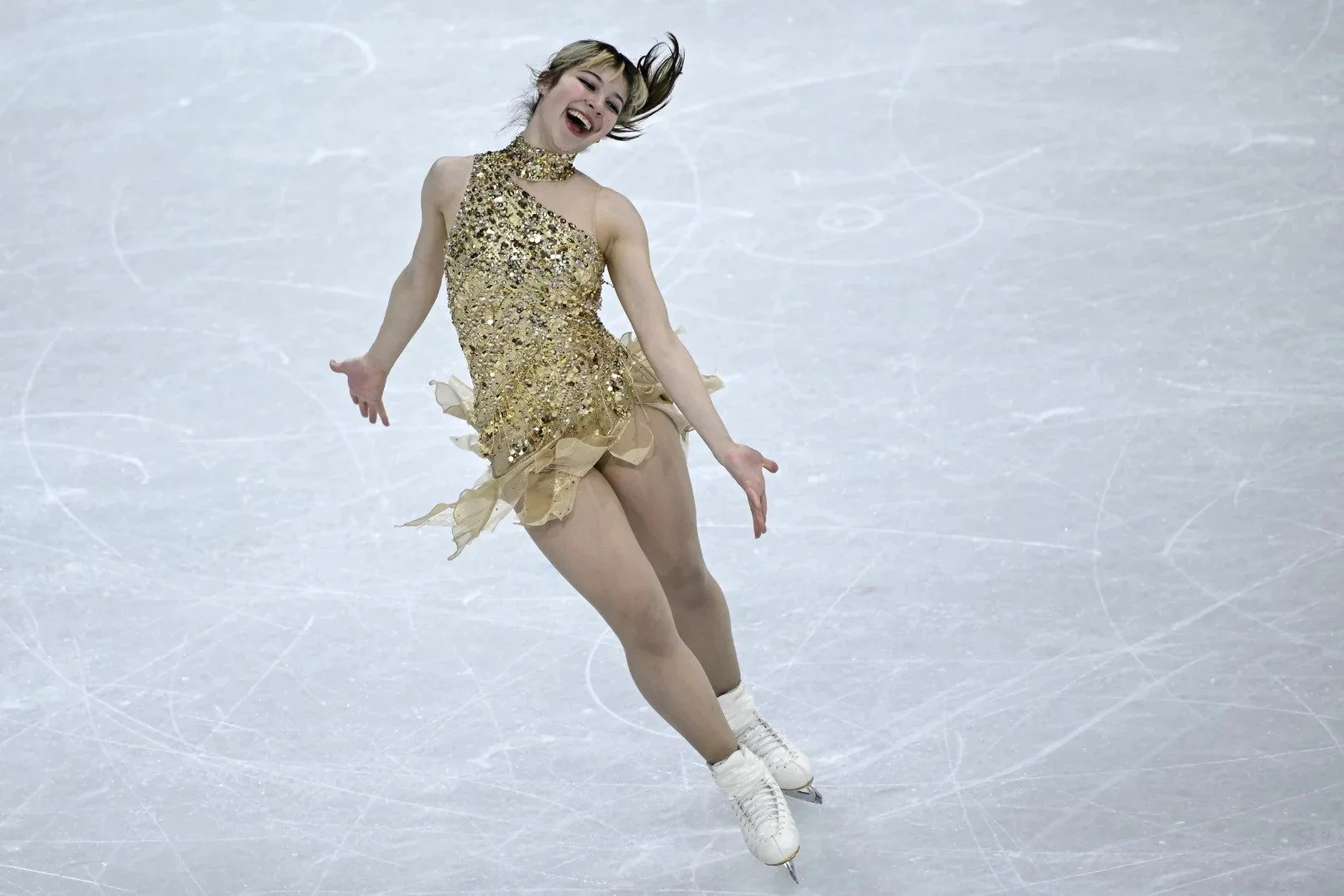
Alysa Liu
Despite the additional legal processes and traditional viewers fearing that figure skating is losing its original identity, the 2014 rule change has opened doors for the sport. Not only is it peaking interest with newer audiences, but it’s being embraced by the skaters themselves. Skaters are taking this opportunity to create programs that are emotionally reciprocated in and outside the rink.
Sources:
https://variety.com/2026/film/news/olympic-skater-denied-minions-music-rights-1236651039/
https://www.nytimes.com/2026/02/12/world/europe/winter-olympics-figure-skating-music-copyright.html
Cover Photo:
https://www.pinterest.com/pin/105271710035869463/
Photo 2: https://www.npr.org/2026/02/19/nx-s1-5719335/alysa-liu-figure-skating-gold-olympics
About the author: Sadie is a senior at the University of Oregon majoring in advertising with a minor in sports business. Her hometown is Beaverton, Oregon. She enjoys listening to Tate McRae, making collages, and watching reality tv with her friends. She is interested in topics about pop culture and brand strategy.